Course overview
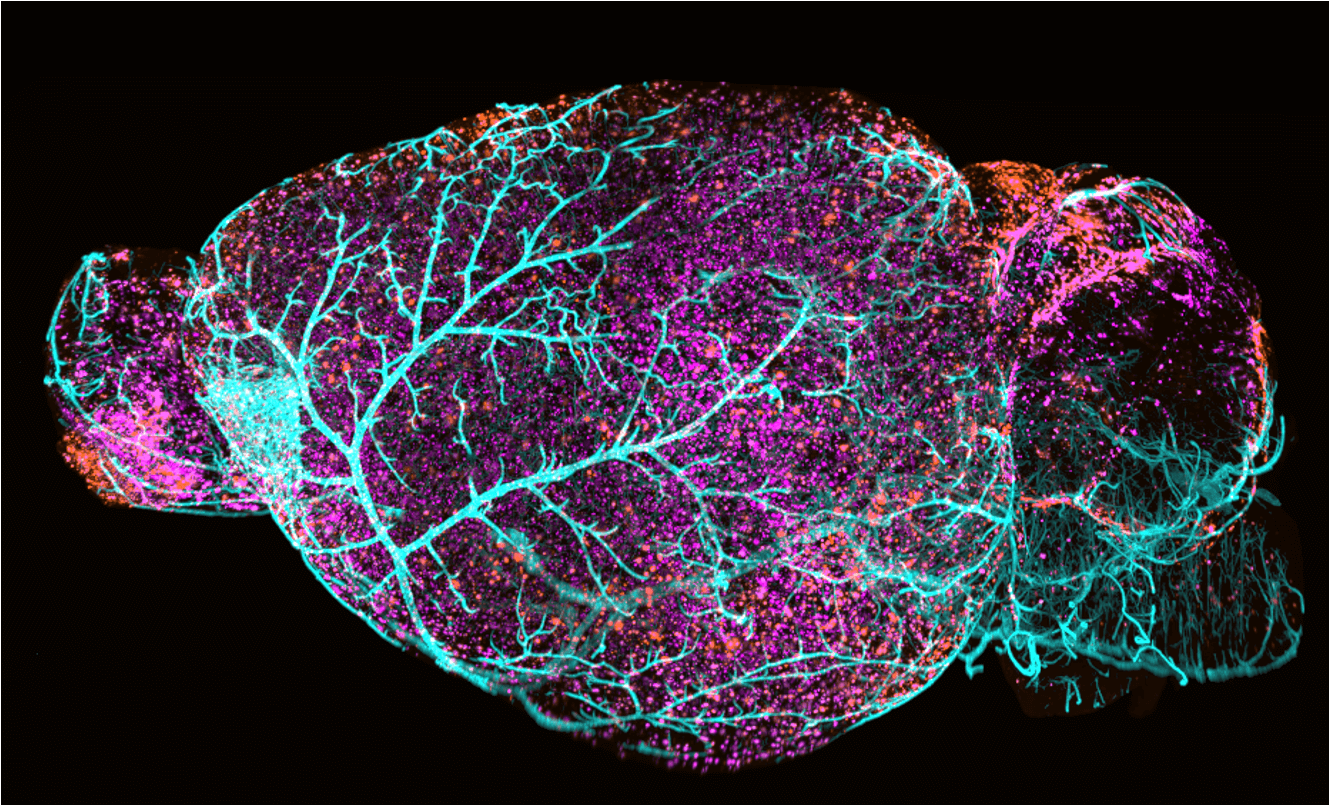
We are excited to announce a new 2026 Cajal Course to be focused on the CNS Borders and Barriers: ‘The Neurovascular Unit and Beyond – How CNS Border Sites Dynamically Regulate Brain Homeostasis.’ This topic could not be more topical at the present moment. Recent years have literally seen an explosion of foundational work on the CNS barrier / interface / border sites (Badaut et al. FBCNS, 2024). Today, we have an increasingly complex and nuanced understanding of the transcriptomics, anatomy, and functional correlates of these different interfaces. This knowledge has fueled a dramatic increase in translational applications (e.g. delivery approaches for biotherapeutics and small molecules) as well as an ongoing vigorous discussion about several aspects of the CNS border sites within the field.
We are now on the cusp of several new therapeutic approaches being fully translated into the clinic (e.g. Alison Abbott: Breaking down barriers in brain-drug research. Nature, 29 May 2025), in part due to a more complete understanding of neurovascular unit, choroid plexus, and leptomeningeal biology. Better appreciation of the physiology of brain fluids (cerebrospinal fluid, interstitial fluid) has also been informing much more sophisticated interpretation of biomarkers (e.g. neurofilament light chain) that increasingly underlie the monitoring of disease progression and responses to therapy. Finally, the large body of recent clinical (and pre-clinical) therapeutic CNS-directed work is in turn facilitating a more sophisticated reconsideration of the CNS border sites, allowing us to better comprehend critical physiological processes, species differences, and even evolutionary aspects related to brain homeostasis. It is an incredibly exciting time for the field! This course will explore these scientific areas with world class keynote lectures and laboratory modules led by a number of dynamic instructors at the forefront of the field.
Course directors

Jerome Badaut
Centre National de la Recherche Scientifique (CNRS), France
Robert G. Thorne
Denali Therapeutics, South San Francisco, California, USA
University of Minnesota-Twin Cities, USA
Past President, International Brain Barriers Society
Invited Speakers
Martin Lauritzen, University of Copenhagen, Denmark.
Nanna Macaulay, University of Copenhagen, Denmark.
Jean-Francois Ghersi-Egea, INSERM Lyon, France.
Christer Betsholtz, Uppsala University & Karolinska Institute, Sweden.
Britta Engelhardt, Theodor Kocher Institute, University of Bern, Switzerland.
Richard Daneman, University of California, San Diego, U.S.A.
Benoit Vanhollebeke, Université libre de Bruxelles, Belgium
Gou Young Koh, KAIST, Daejeon, Korea
Joy Yu Zuchero, Denali Therapeutics, South San Francisco, CA, U.S.A.
Irena Loryan, Uppsala University, Sweden.
Caroline Menard, Université Laval, Quebec, Canada
Henrik Zetterberg, University of Gothenburg, Mölndal, Sweden
Instructors
Andre Obenaus, University of California Riverside, U.S.A.
Aurélie Rose De Rus Jacquet, Université Laval, Quebec City, Canada.
Brandon Kim, University of Texas-Dallas, U.S.A.
Anika Hartz, University of Kentucky, U.S.A.
Christophe Dubois, CNRS CEBC, Villiers-en-Bois, France.
Valentin Nagerl, University of Gottingen, Germany
Sara Romanzi, Iconeus, Paris, France
Kavi Devraj, Birla Institute of Technology and Science Pilani – Hyderabad Campus, India
Course content
Topics for lectures
- Overview of the cerebral blood vessel system and the importance of the forgotten gate-keeper: glycocalyx
- Introduction to the CNS barriers and related translational concepts
- Choroid plexus and cerebrospinal fluid (CSF) dynamics
- Choroidal transport and metabolism and CSF fluid flow.
- Leptomeninges of the brain: physiology and barrier properties.
- The role of the brain barriers in orchestrating central nervous system immune privilege.
- Evolutionary aspects of the central nervous system barriers.
- Blood-brain barrier dynamics and modulation.
- Meningeal lymphatic vessels and physiology
- Biotherapeutic delivery across the blood-brain barrier for the treatment of neurodegenerative diseases
- Small molecule delivery across the blood-brain barrier and neuro-focused PKPD concepts.
- Stress and blood-brain border changes
- Brain blood biomarkers for clinical diagnostic and prognostic in brain disorders
- CSF and brain interstitial fluid clearance mechanisms
- CNS borders and neuroethology aspects
Aims and Techniques
- Presentation, comparison and use of MRI, Ultrasound Imaging to study vascular changes in brain disorders and neurodegenerative diseases
- Use of the In vitro model systems and organoid systems for cerebral vasculature studies
- in vivo biodistribution of antibodies targeted to CD98hc
- Bacterial and Blood-brain border interactions
- Isolated brain capillary preparations to study changes in the BBB properties in brain diseases
- Use of in vivo miniscope for the neurovascular dysfunctions post-injury in relation with behavioral outcomes
- Super-resolution microscopy of brain extracellular space and neuropil dynamics
- Use of the fast ultrasound imaging to study the neurovascular physiology and dysfunctions.
- BBB regulation and vascular proteomics in stroke
- Cortical vessel dynamics and sleep
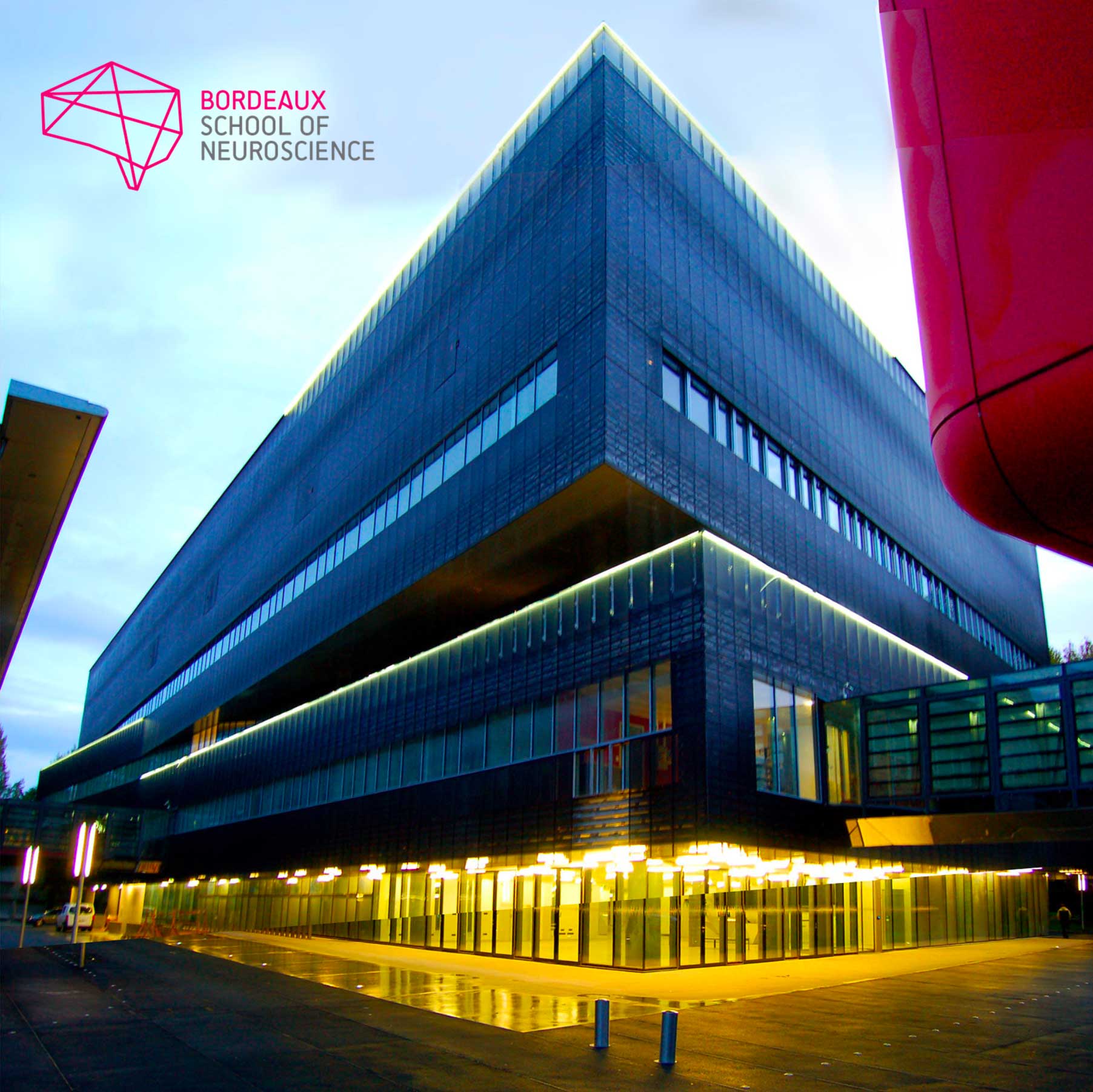
Bordeaux School of Neuroscience, France
The Bordeaux School of Neuroscience is part of Bordeaux Neurocampus, the Neuroscience Department of the University of Bordeaux. Christophe Mulle, its current director, founded it in 2015. Throughout the year, renowned scientists, promising young researchers and many students from any geographical horizon come to the School.
The school works on this principle: training in neuroscience research through experimental practice, within the framework of a real research laboratory.
Facilities
Their dedicated laboratory (500m2), available for about 20 trainees, is equipped with a wet lab, an in vitro and in vivo electrophysiology room, IT facilities, a standard cellular imaging room, an animal facility equipped for behavior studies and surgery and catering/meeting spaces. They also have access to high-level core facilities within the University of Bordeaux. They offer their services to international training teams who wish to organize courses in all fields of neuroscience thanks to a dedicated staff for the full logistics (travels, accommodation, on-site catering, social events) and administration and 2 scientific managers in support of the experimentation.
Registration
Fee : 4 500 € (includes tuition fee, accommodation and meals)
Applications will open soon.