Tag Archives: artificial intelligence

NeuroAI – Neuroscience and AI

Course overview

Modern deep learning methods provide some of the best tools to model behavior and brain function today. Excitingly, AI systems have become the first artificial models capable of matching human performance in sophisticated cognitive tasks, such as visual recognition, language processing, and strategic planning. This unique capability makes them a key test bed for neuroscience research: by studying how these AI systems solve complex problems, we can generate and test hypotheses about the computational principles that biological brains might use. Moreover, thanks to amazing progress in neuroscientific experimental recording techniques over the last decade, we now have access to vast amounts of complex data, which can be used in computational modeling, across multiple modalities – from neural activity of thousands of neurons, to anatomical details of neuronal circuits, to whole brain neural recordings during complex behavior of humans and animals. These exciting developments—in both AI methodology and neuroscientific recordings—have inspired an emerging area of research at the intersection of neuroscience and AI.

The course gives a hands-on introduction to modern AI methods, including deep learning, and how it can be used for analyzing and modeling brain activity and behavior. Experts in the field will teach the basics of AI, and how to use them as models of the brain, cognition, and behavior.

Course Directors

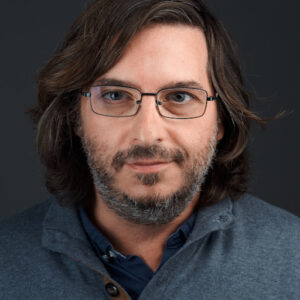
Georg August University Göttingen, Germany

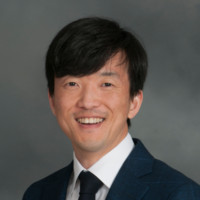
Johns Hopkins University, USA

Max Planck Institute for Software Systems, Germany

HHMI Janelia Research Campus, USA

Course Faculty

Jacob Yates – Berkley, USA
Martin Schrimpf – EPFL, Switzerland
Kevin Miller – Google DeepMind, UK
Patrick Mineault – Amaranth Foundation, USA
Carsen Stringer – HHMI Janelia Research Campus, USA
Chris Summerfield – Oxford University, UK
John Krakauer – Champalimaud, Portugal
Memming Park – Champalimaud, Portugal
Andreas Tolias – Stanford, USA
Jonathan Pillow – Princeton University, USA
Shailee Jain – UC San Fransisco, USA
Rui Ponte Costa, University of Oxford, UK

Instructors

Janne Lappalainen –  University Tübingen, Germany
Farah (Fengtong) Du – HHMI Janelia Research Campus, USA
Mathis Pink – MPI Software Systems, Germany
Manasi Malik – Johns Hopkins University, USA

Course Content

Programme

The first two weeks will consist of full day hands-on lectures and tutorials from introductory to more advanced topics. The third week is reserved for more extensive group research projects.

First week

  • Introduction to NeuroAI and primer on deep learning for computer vision and language
  • Neural network models of vision and calcium imaging
  • Models for neuronal dynamics
  • Data-driven models of visual cortex during active vision
  • Understanding choice behavior using reinforcement learning models

Second week

  • Engineering a less intelligent AI (the fly)
  • System models of vision and language in the primate brain
  • Skill, practice, plasticity, and the cognitive-motor interface
  • Foundation models in neuroscience

Third week

The third week has lectures on more advanced topics. The remainder of the days are focused on project work.

Confirmed talks in the third week are:

  • Learning and generalization in human and neural networks
  • Engineering a less artificial intelligence

Students will design projects applying machine learning methods to neural recording and behavioral data sets.

Datasets

We encourage course faculty to bring datasets that can be used for projects. Here are some examples of datasets that will be available for project work

  • Calcium imaging data from mouse primary visual cortex in response to natural images and videos from the SENSORIUM competitions 2022 and 2023
  • Large dataset of human choices on a 4-armed drifting bandit task.
  • Data from foveal V1 of free-viewing marmosets along with continuously monitored gaze. Data from Marmoset retina with the same eye traces.
  • Publicly available data from the Brain-Score benchmark (vision and language). The vision data include non-human and human primate electrophysiology and fMRI recordings spanning the visual ventral stream and associated object recognition behaviors. The language data are human neuroimaging and reading time measurements. Meta-data from thousands of model alignment scores on all of the Brain-Score benchmarks.
  • A dataset with over 29,000 neurons responding to up to 65,000 natural image presentations in mouse V1. The neurons were expressing jGCaMP8s and we recorded their activity using two-photon calcium imaging at a rate of 30Hz.
  • Neuropixels speech dataset comprising spiking activity from >500 single neurons in awake human participants undergoing brain surgery. Neurons were recorded while participants listened to simple English sentences. Associated metadata for each neuron such as its anatomical position along the superior temporal gyrus and cortical depth will also be provided.
Techniques

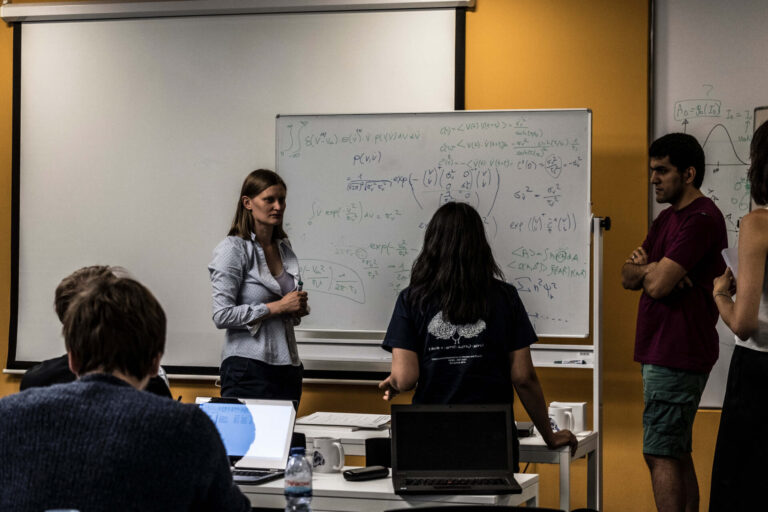
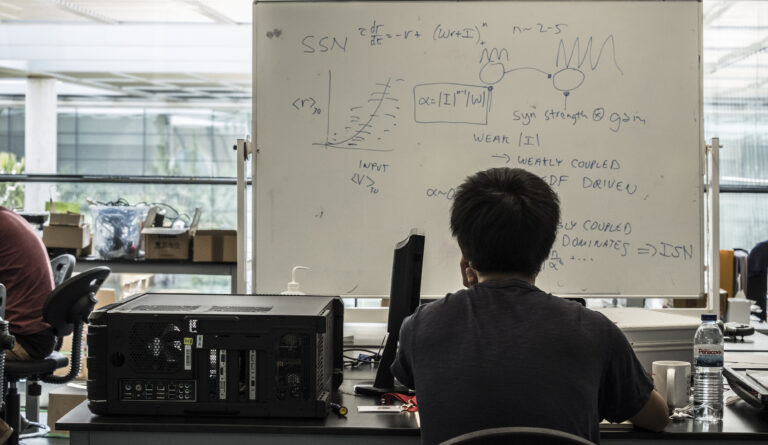
Through hands on tutorials and project work, students will have the opportunities to learn about computational approaches in NeuroAI such as:

  • Deep learning models for vision and language (CNNs, transformers)
  • Reinforcement learning algorithms
  • State space models for neuronal time series
  • Machine learning for biophysical models of neuronal circuits
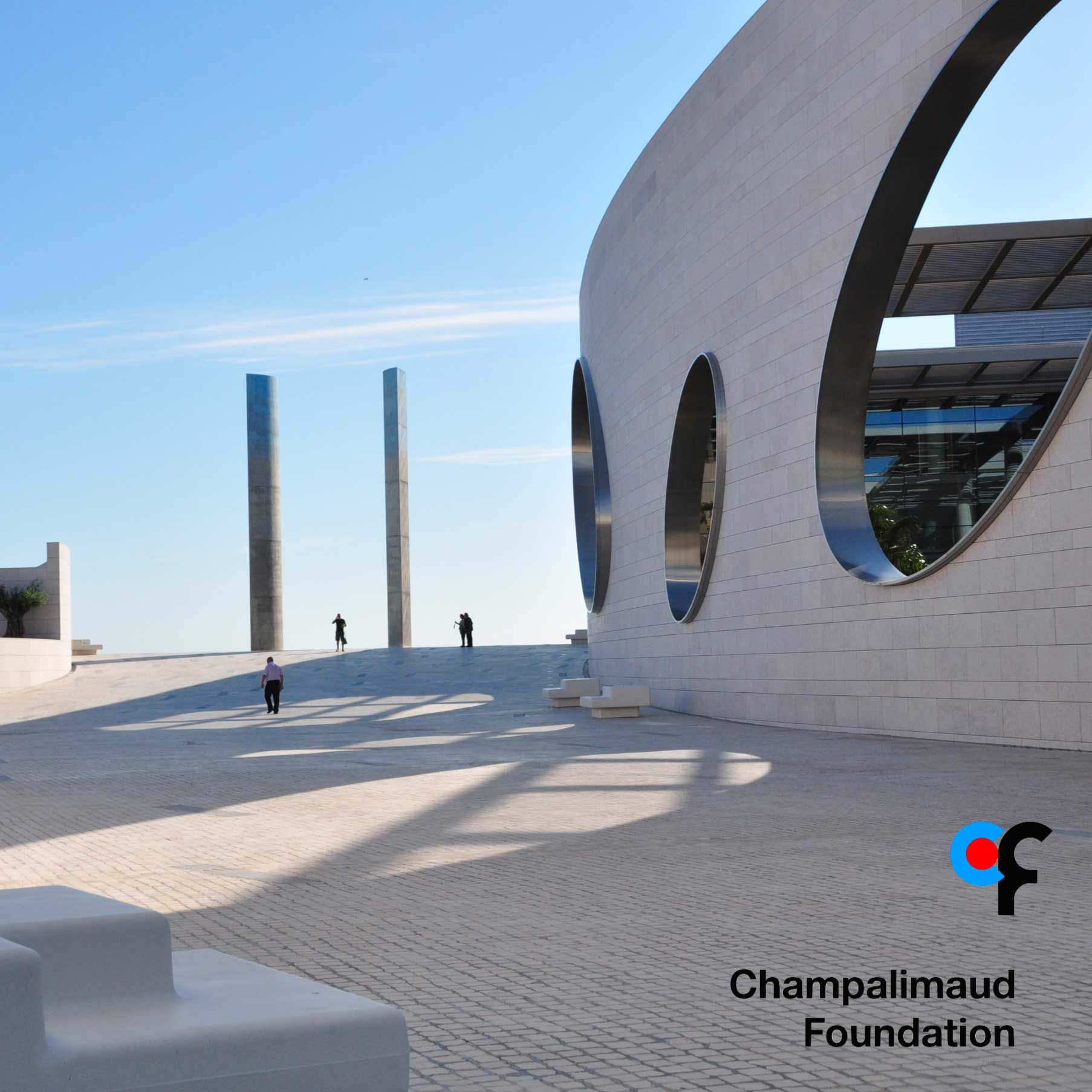
Champalimaud Centre for the Unknown, Portugal

The Champalimaud Foundation is a private, non-profit organization, established in 2005 and dedicated to research excellence in biomedical science. Completed in 2010, the Champalimaud Centre for the Unknown is a state-of-the-art centre that houses the Champalimaud Clinical Centre and the Champalimaud Research, with its three parallel programs – the Champalimaud Neuroscience Programme, the Physiology and Cancer Programme, and the Experimental Clinical Research Programme.
Initially focused on a system and circuit approach to brain function and behavior, the Centre expanded to incorporate molecular and cell biological expertise. The Centre comprises 26 research groups (circa 400 researchers) leading independent curiosity-based research.

Facilities
The Centre provides Facilities dedicated for Training, some in their entirety, for use by the CAJAL Advanced Neuroscience Training Programme. These include the Teaching Laboratory, a fully equipped open lab space for 20-30 students that can be dynamically reconfigured to support a full range of neuroscience courses. It also overlooks, via floor to ceiling windows, a tropical garden and the river. The experimental spaces include: Imaging Lab: A dark-room containing a full size optical table is used for advanced imaging setups (two-photon microscopy, SPIM, etc.) and custom (course-designed) optical systems.

Registration

Fee : 3 500 €  (includes tuition fee, accommodation and meals)

Applications are closed.

The CAJAL programme offers 4 stipends per course (waived registration fee, not including travel expenses). Please apply through the course online application form. In order to identify candidates in real need of a stipend, any grant applicant is encouraged to first request funds from their lab, institution or government.

Kindly note that if you benefited from a Cajal stipend in the past, you are no longer eligible to receive this kind of funding. However other types of funding (such as partial travel grants from sponsors) might be made available after the participants selection pro- cess, depending on the course.

Sponsors
Machine learning for neuroscience

Course overview

Neuroscience has played an important role in the history of Artificial intelligence and Machine learning. Artificial neural networks are inspired by neuronal physiology and are today the core of Deep Learning. This common history continues today. Machine Learning methods are developed into tools that allow for a higher quality of data processing in the study of animal behavior and brain activity. Machine Learning is also used to model the brain as it can solve similar problems to what brains solve and the basic units of processing may be comparable.

The course gives a hands-on introduction to Artificial Intelligence and Machine Learning and how it can be used for data acquisition, analysis and modeling brain activity and behavior. Experts in the field will teach the basics of Machine Learning and how to apply it to Neuroscience and will also discuss the limits of the field, and what are the boundaries of application and how Neuroscience and Psychology could inform new systems.

Course directors

Gonzalo de Polavieja

Course Director

Champalimaud Foundation, PT

Kristin Branson

Course Director

HHMI Janelia, USA

Il Memming Park

Course Director

Champalimaud Foundation, PT

Keynote Speakers

Ann Kennedy – Northwestern University, US
N. Alex Cayco Gajic – École Normale Supérieure, France
Ben Cowley – Cold Spring Harbor, US
Kim Stachenfeld – DeepMind, UK
Jennifer Sun Caltech, US
Josue Nassar – Stony Brook University, US
Laura Driscoll – Stanford University, US
Maneesh Sahani Gatsby Computational Neuroscience Unit, UK
Nakul Verma – Columbia University, US
Patrick Mineault – xcorr, Canada
Rui Ponte Costa – University of Oxford, UK
Sara Solla – Northwestern University, US
Surya Ganguli Stanford University, US

Instructors

Course content

Programme

During the first two weeks, there will be lectures in the morning, and evening tutorials will consist of analytical and computational application of the concepts learned in the morning. The third week consists of lectures in the mornings and projects in the evening.

First week

The first week will consist of a mini-course in Machine Learning, especially those techniques used in Neuroscience. This will include supervised and unsupervised learning, learning for time series and Reinforcement Learning, as well as a day dedicated to practical aspects in the use of Machine Learning Techniques.

Day 1: History of AI and the relationship between Machine Learning and Neuroscience
Day 2: Supervised Learning
Day 3: Unsupervised Learning
Day 4: Practical consideration of the use of Machine Learning
Day 5: Learning for Time Series
Day 6: Reinforcement Learning

Second Week

The second week discusses how Machine Learning techniques are applied in Neuroscience. This will include the Machine Learning tools used to extract information from datasets of animal behavior and brain activity, Machine Learning models from brain activity and behavior, models using spiking neural networks and which are the limits ofML techniques.

Day 7: ML tools in animal behavior
Day 8: ML tools in brain activity
Day 9: Models derived from the brain and behavior
Day 10: ML-based models of the brain & discrepancies
Day 11: Theory-based modeling, and its connection to ML
Day 12: Bio-inspired ML/spiking networks

Third week

The third week has lectures on more advanced topics and evenings on projects.

Students will design projects applying machine learning (ML) methods to neural recording and animal behavior data sets. Neural recording data sets provided will be from a variety of techniques, including electrophysiology, calcium imaging, and fMRI. Behavior data sets provided will be from video. Students may focus on developing new ML algorithms for improving automated tracking, segmentation, categorization, or representation learning. Alternatively, they may focus on applying these ML methods to large data sets to discover new biological insights. A third option is to explore ML-based computational models of neural activity or behavior. Through these projects, students will gain hands-on experience using modern ML approaches, coding in PyTorch, and gain a deeper understanding of the power and potential failures of ML.

Datasets

Behavioral Datasets

  • Fish Fish in groups, raw and tracked
  • Some rodents and ants, raw and tracked
  • Flies data from Maabe and other datasets.

Neural Datasets (spike trains)

  • Neural Latent Benchmark ones
  • Neuromatch ones (e.g. Steinmetz)
  • Brain machine interface related datasets
  • IBL datasets

Other Neural Datasets ( LFP, fMRI, etc)

Computational models (not datasets but used as input for further analysis or modeling)

  • RNNs trained on tasks
  • Models trained on fish in collectives

Techniques

  • Deep learning tools for analyzing complex behavior data

  • Neural manifolds

  • Modeling neural computation with recurrent neural networks

  • State space modeling of neural time series

  • Probabilistic modeling of neural data and behavior

  • Deep learning models of brain activity and behavior

  • Spiking neural networks

  • Best practices for high quality neuroscience research using machine learning

Champalimaud Centre for the Unknown, Portugal

The Champalimaud Foundation is a private, non-profit organization, established in 2005 and dedicated to research excellence in biomedical science. Completed in 2010, the Champalimaud Centre for the Unknown is a state-of-the-art centre that houses the Champalimaud Clinical Centre and the Champalimaud Research, with its three parallel programs – the Champalimaud Neuroscience Programme, the Physiology and Cancer Programme, and the Experimental Clinical Research Programme.
Initially focused on a system and circuit approach to brain function and behavior, the Centre expanded to incorporate molecular and cell biological expertise. The Centre comprises 26 research groups (circa 400 researchers) leading independent curiosity-based research.

Facilities
The Centre provides Facilities dedicated for Training, some in their entirety, for use by the CAJAL Advanced Neuroscience Training Programme. These include the Teaching Laboratory, a fully equipped open lab space for 20-30 students that can be dynamically reconfigured to support a full range of neuroscience courses. It also overlooks, via floor to ceiling windows, a tropical garden and the river. The experimental spaces include: Imaging Lab: A dark-room containing a full size optical table is used for advanced imaging setups (two-photon microscopy, SPIM, etc.) and custom (course-designed) optical systems.

Registration

Fee : €2.950,00 (includes tuition fee, accommodation and meals)

Applications closed on 23rd January 2023

The CAJAL programme offers 4 stipends per course (waived registration fee, not including travel expenses). Please apply through the course online application form. In order to identify candidates in real need of a stipend, any grant applicant is encouraged to first request funds from their lab, institution or government.

Kindly note that if you benefited from a Cajal stipend in the past, you are no longer eligible to receive this kind of funding. However other types of funding (such as partial travel grants from sponsors) might be made available after the participants selection pro- cess, depending on the course.

Sponsors