Tag Archives: training

Neuromics – Single-Cell and Spatial omics in the Nervous System

Course overview

The field of neuroscience is undergoing a revolutionary transformation through the integration of cutting-edge genomic technologies with traditional neurobiological approaches. Single-cell and spatial genomics are unveiling unprecedented molecular insights into nervous system development, function, and disease, fundamentally changing our understanding of neural circuits and brain organization.


This intensive three-week course provides comprehensive hands-on training in state-of-the-art “neuromics” technologies, combining theoretical foundations with practical experience in single-cell genomics, spatial transcriptomics, and multi-omics approaches specifically applied to the nervous system. Participants will gain expertise in experimental design, data generation, computational analysis, and biological interpretation of high-throughput genomic datasets from neural tissues.

The course integrates lectures from world-leading scientists with intensive laboratory work, enabling participants to master both experimental protocols and computational pipelines essential for modern neuroscience research. Through collaborative projects, students will explore applications ranging from neural development and cell type identification to disease mechanisms and therapeutic targets.

Course directors
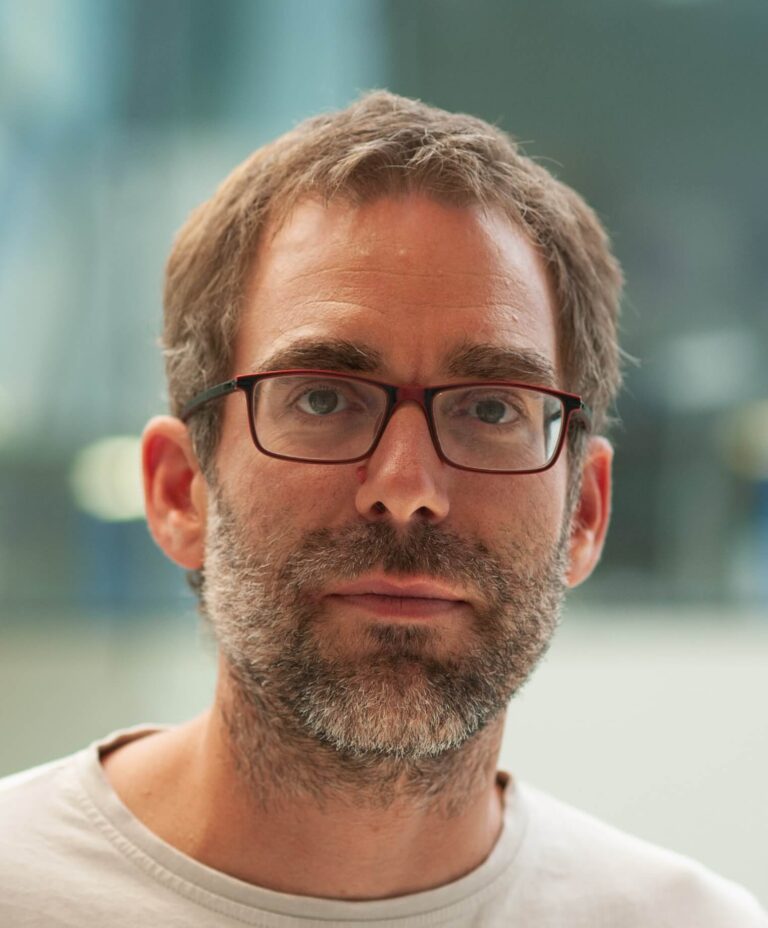
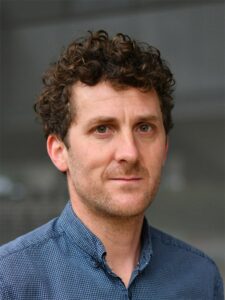
Gioele La Manno

Brain Mind Institute, School of Life Sciences, École Polytechnique Fédérale de Lausanne, Switzerland
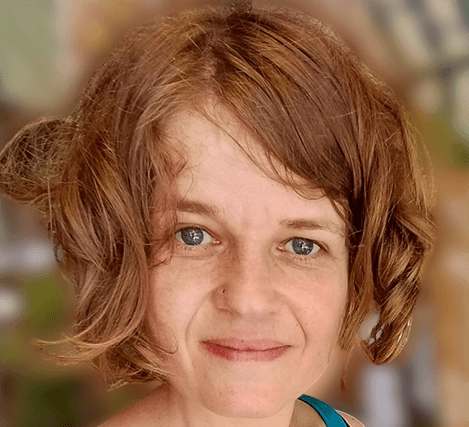
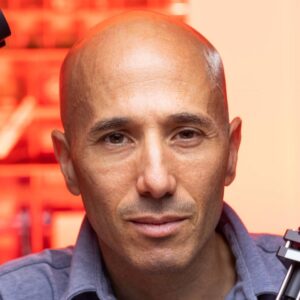
Hannah Hochgerner

Department of Biotechnology and Food Engineering, Technion – Israel Institute of Technology, Haifa, Israel
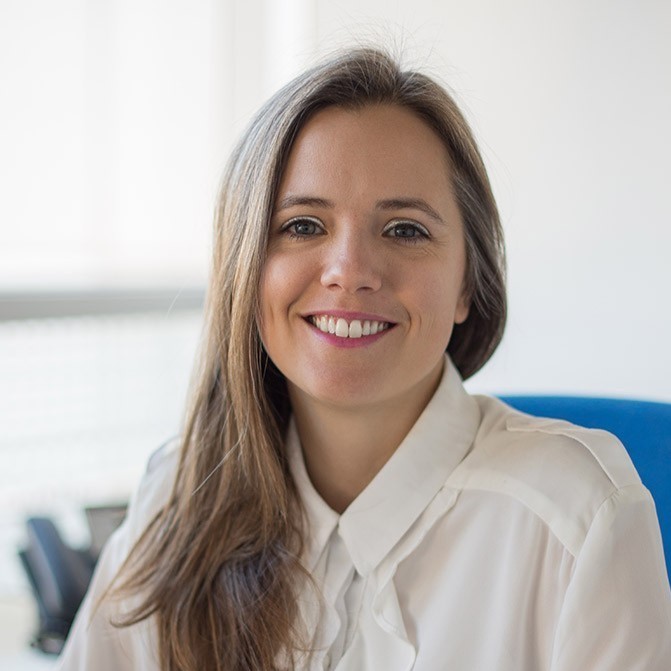
alexandre favereaux

Alexandre Favereaux

Interdisciplinary Institute for Neuroscience (IINS), CNRS, Université de Bordeaux, France

Keynote Speakers

Will be announced soon!

Instructors

Will be announced soon!

Target Audience: This course is designed for graduate students and postdoctoral fellows from diverse backgrounds including neuroscience, computational biology, and related fields. Participants should have basic knowledge of molecular biology and basic familiarity with programming for computational components. The course welcomes researchers from both experimental and computational backgrounds seeking to integrate new omics approaches into their neurobiology research.

Course Content and Techniques
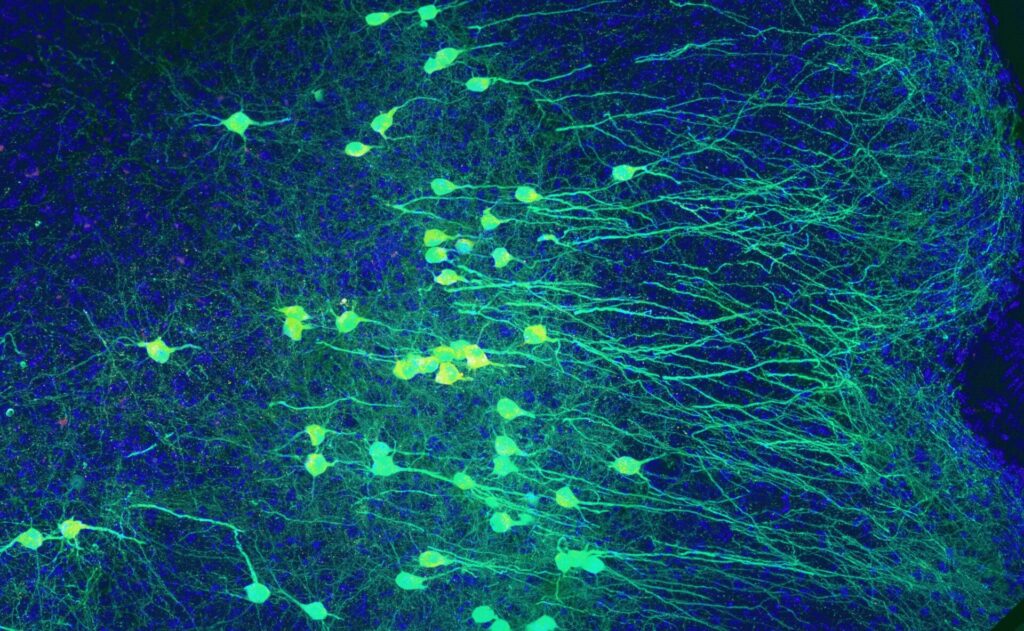
neurons green blue

Experimental Approaches

• Single-cell and single-nucleus RNA sequencing

• Spatial transcriptomics

• Single-cell epigenomics

• Multi-omics integration

• Sample preparation techniques for nervous system tissues

• Quality control and experimental optimization

Computational Analysis

• Single-cell data preprocessing and quality control

• Cell type identification and characterization

• Trajectory analysis and pseudotime reconstruction

• Spatial data analysis and tissue organization mapping

• Multi-omics data integration strategies

• Machine learning applications in single-cell genomics

• Visualization and interpretation of high-dimensional datasets

Applications in Neuroscience

• Neural development and differentiation trajectories

• Adult brain cell type taxonomy and function

• Disease mechanisms and biomarker discovery

• Comparative neuroscience across species

• Stem cell-based neural models and organoids

• Therapeutic target identification

Learning Objectives

Upon completion of this course, participants will be able to:

Design and execute single-cell and spatial genomics experiments for neural tissues

Apply appropriate computational methods for analyzing complex genomic datasets

Integrate multi-modal data to address biological questions in neuroscience

Critically evaluate and interpret results from high-throughput genomic studies

Implement best practices for data management, reproducibility, and sharing

Translate genomic findings into testable hypotheses for further research


Course Structure

The course combines keynote lectures from renowned experts in neuromics, hands-on laboratory sessions using cutting-edge technologies, computational workshops with real datasets, and collaborative group projects. Participants will work in small teams on mini-projects that integrate experimental and computational components, culminating in presentations of their findings. Journal clubs and expert panels will provide opportunities for scientific discussion and career development.

This comprehensive training program equips the next generation of neuroscientists with essential skills for leveraging genomic technologies to advance our understanding of the nervous system in health and disease.
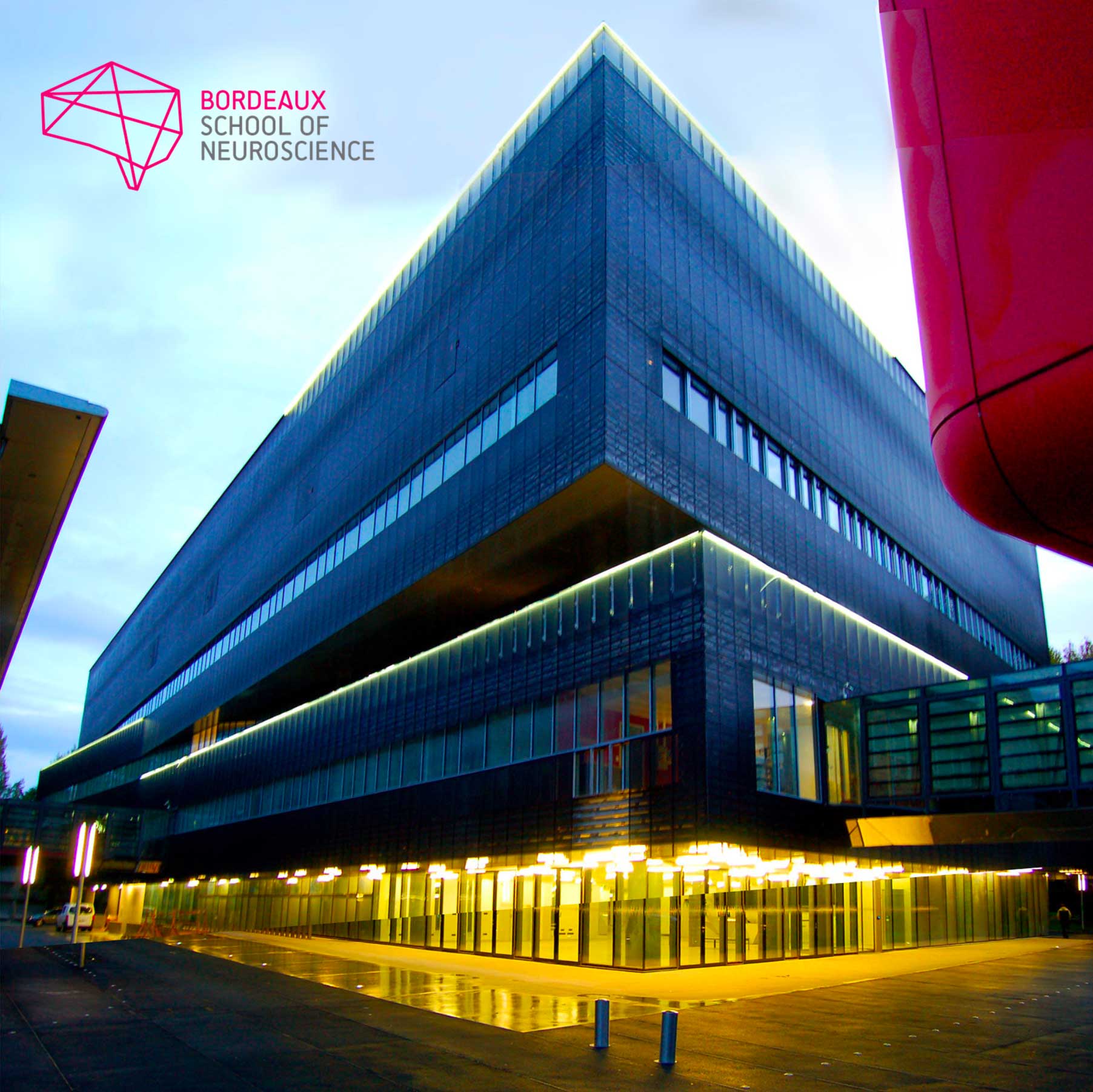
Bordeaux School of Neuroscience, France

The Bordeaux School of Neuroscience is part of Bordeaux Neurocampus, the Neuroscience Department of the University of Bordeaux. Christophe Mulle, its current director, founded it in 2015. Throughout the year, renowned scientists, promising young researchers and many students from any geographical horizon come to the School.
The school works on this principle: training in neuroscience research through experimental practice, within the framework of a real research laboratory.

Facilities
Their dedicated laboratory (500m2), available for about 20 trainees, is equipped with a wet lab, an in vitro and in vivo electrophysiology room, IT facilities, a standard cellular imaging room, an animal facility equipped for behavior studies and surgery and catering/meeting spaces. They also have access to high-level core facilities within the University of Bordeaux. They offer their services to international training teams who wish to organize courses in all fields of neuroscience thanks to a dedicated staff for the full logistics (travels, accommodation, on-site catering, social events) and administration and 2 scientific managers in support of the experimentation.

Registration

Fee : 4.500 € (includes tuition fee, accommodation and meals)

Applications will open soon.
The Neurovascular Unit and Beyond – How CNS Border Sites Dynamically Regulate Brain Homeostasis

Course overview

We are excited to announce a new 2026 Cajal Course to be focused on the CNS Borders and Barriers: ‘The Neurovascular Unit and Beyond – How CNS Border Sites Dynamically Regulate Brain Homeostasis.’ This topic could not be more topical at the present moment. Recent years have literally seen an explosion of foundational work on the CNS barrier / interface / border sites (Badaut et al. FBCNS, 2024). Today, we have an increasingly complex and nuanced understanding of the transcriptomics, anatomy, and functional correlates of these different interfaces. This knowledge has fueled a dramatic increase in translational applications (e.g. delivery approaches for biotherapeutics and small molecules) as well as an ongoing vigorous discussion about several aspects of the CNS border sites within the field. 


We are now on the cusp of several new therapeutic approaches being fully translated into the clinic (e.g. Alison Abbott: Breaking down barriers in brain-drug research. Nature, 29 May 2025), in part due to a more complete understanding of neurovascular unit, choroid plexus, and leptomeningeal biology. Better appreciation of the physiology of brain fluids (cerebrospinal fluid, interstitial fluid) has also been informing much more sophisticated interpretation of biomarkers (e.g. neurofilament light chain) that increasingly underlie the monitoring of disease progression and responses to therapy. Finally, the large body of recent clinical (and pre-clinical) therapeutic CNS-directed work is in turn facilitating a more sophisticated reconsideration of the CNS border sites, allowing us to better comprehend critical physiological processes, species differences, and even evolutionary aspects related to brain homeostasis. It is an incredibly exciting time for the field! This course will explore these scientific areas with world class keynote lectures and laboratory modules led by a number of dynamic instructors at the forefront of the field.

Course directors

jerome badaut

Jerome Badaut

Centre National de la Recherche Scientifique (CNRS), France

Robert G. Thorne

Denali Therapeutics, South San Francisco, California, USA
University of Minnesota-Twin Cities, USA
Past President, International Brain Barriers Society

Keynote Speakers

Will be announced soon!

Instructors

Will be announced soon!

Course content

Projects

Will be announced soon!

Bordeaux School of Neuroscience, France

The Bordeaux School of Neuroscience is part of Bordeaux Neurocampus, the Neuroscience Department of the University of Bordeaux. Christophe Mulle, its current director, founded it in 2015. Throughout the year, renowned scientists, promising young researchers and many students from any geographical horizon come to the School.
The school works on this principle: training in neuroscience research through experimental practice, within the framework of a real research laboratory.

Facilities
Their dedicated laboratory (500m2), available for about 20 trainees, is equipped with a wet lab, an in vitro and in vivo electrophysiology room, IT facilities, a standard cellular imaging room, an animal facility equipped for behavior studies and surgery and catering/meeting spaces. They also have access to high-level core facilities within the University of Bordeaux. They offer their services to international training teams who wish to organize courses in all fields of neuroscience thanks to a dedicated staff for the full logistics (travels, accommodation, on-site catering, social events) and administration and 2 scientific managers in support of the experimentation.

Registration

Fee : 5 000 € (includes tuition fee, accommodation and meals)

Applications will open soon.

Neurobiology of Sleep

Course overview

This inaugural Cajal Course on Neurobiology of Sleep offers a comprehensive overview of current knowledge, and existing gaps, in sleep regulation and its functions, and the dynamics of brain activity during sleep across species. World-leading experts in the field will guide participants through the latest advancements.

The course features hands-on training across a variety of cutting-edge approaches, including:

• In vivo calcium imaging
• Large-scale molecular measures
• Human high-density EEG recording
• Wearable technologies for sleep monitoring
• Electrophysiological recordings
• Advanced analysis of big data
• Computational modelling
• Comparative approach with a diversity of animal models

By applying these diverse techniques to sleep research, participants will significantly advance their knowledge in sleep science and master a wide array of advanced tools and methodologies.

Course directors

Carolina Gutierrez Herrera

University of Bern, Switzerland

Arthur Leblois

University of Bordeaux, France

julie seibt

Julie Seibt

University of Surrey, UK

Keynote Speakers

Antoine Adamantidis, University of Bern, Switzerland
Athina Tzovara, University of Bern, Switzerland
Bill Wisden, Imperial College London, UK
Charlotte Boccara, University of Copenhagen, Norway
Derk-Jan Dijk, University of Surrey, UK
Francesca Siclari, Netherland Institute for Neuroscience
Gabrielle Girardeau, Centre de Neuroscience de Sorbonne Université, France
Giorgio Gilestro, Imperial College London , UK
Lisa Roux, Bordeaux Neurocampus, France
Mark Blumberg, University of Iowa, USA
Markus Schmidt, University of Bern, Switzerland
Paul Antoine Libourel, Neurosciences Research Center of Lyon/Center for Functional and Evolutionary Ecology Montpellier, France
Peter Meerlo, University of Groningen, Netherland
Pierre Philippe, Bordeaux Neurocampus, France
Robbert Havekes, University of Groningen, Netherland
Sanne Moorman, University of Groningen, Netherland
Yuval Nir, Tel Aviv University, Israel

Instructors

Will be announced soon!

Course Content and Techniques

neurons green blue

Will be announced soon!

Bordeaux School of Neuroscience, France

The Bordeaux School of Neuroscience is part of Bordeaux Neurocampus, the Neuroscience Department of the University of Bordeaux. Christophe Mulle, its current director, founded it in 2015. Throughout the year, renowned scientists, promising young researchers and many students from any geographical horizon come to the School.
The school works on this principle: training in neuroscience research through experimental practice, within the framework of a real research laboratory.

Facilities
Their dedicated laboratory (500m2), available for about 20 trainees, is equipped with a wet lab, an in vitro and in vivo electrophysiology room, IT facilities, a standard cellular imaging room, an animal facility equipped for behavior studies and surgery and catering/meeting spaces. They also have access to high-level core facilities within the University of Bordeaux. They offer their services to international training teams who wish to organize courses in all fields of neuroscience thanks to a dedicated staff for the full logistics (travels, accommodation, on-site catering, social events) and administration and 2 scientific managers in support of the experimentation.

Registration

Fee : 4.500 € (includes tuition fee, accommodation and meals)

Applications will open soon.
The Brain Prize Course: Movement and motor control in health and disease

Course overview

The ability to move in an automatic or a goal-directed manner is a crucial function for many living organisms to survive and interact efficiently with their environments. Movements generation depend on the coordinated activity of motor centres that are distributed in the cortex, the basal ganglia, the cerebellum, and the brainstem but that, altogether, shape the descending motor commands sent to the spinal cord which will then execute the appropriate movements by controlling the activity of motoneurons. Any alteration in these systems and/or their interaction will impair the flow of information leading to disastrous motor disorders. In this CAJAL course, we will not only discuss the common organization of motor centres across species (from lamprey to primate) but also the neuronal mechanism and dynamics that underlie spontaneous and voluntary movements as well as how pathological alteration of these activities can lead to detrimental motor performances and disease state.

The goal of this CAJAL course is to instruct promising young neuroscientists to the advanced scientific concepts established in the field of motor control. We will present the latest discoveries that has been made in different species that shed light on how voluntary and goal-directed movements are generated. We will also describe the computational advances and analysis method that has pushed the limit of understanding movement generation. We will provide hands-on training on state-of-the-art methods applied to the study of motor control in the field including motor tracking, optogenetics manipulation, calcium imaging, high-density electrophysiology recording and data analysis. Thus, this course will combine theoretical and methodological courses by keynote speakers and instructors, respectively, with hands-on projects conducted in the Bordeaux School of Neuroscience.

Course directors

University of Copenhagen, Denmark

Paris Brain Institute, France

University of Bordeaux, France

Keynote Speakers

Will be announced soon.

Instructors

Will be announced soon.

Course content

The course will be an intensive 3-week theoretical and practical course with two main goals:

1) Teaching students the theoretical foundation of the techniques (in week 1 and 2).

2) Give them enough hands-on experience to create an experimental mini-project (week 1) that will be carried out (in weeks 2 and 3) so they can establish these methods when they get back to their labs.

Bordeaux School of Neuroscience, France

The Bordeaux School of Neuroscience is part of Bordeaux Neurocampus, the Neuroscience Department of the University of Bordeaux. Christophe Mulle, its current director, founded it in 2015. Throughout the year, renowned scientists, promising young researchers and many students from any geographical horizon come to the School.
The school works on this principle: training in neuroscience research through experimental practice, within the framework of a real research laboratory.

Facilities
Their dedicated laboratory (500m2), available for about 20 trainees, is equipped with a wet lab, an in vitro and in vivo electrophysiology room, IT facilities, a standard cellular imaging room, an animal facility equipped for behavior studies and surgery and catering/meeting spaces. They also have access to high-level core facilities within the University of Bordeaux. They offer their services to international training teams who wish to organize courses in all fields of neuroscience thanks to a dedicated staff for the full logistics (travels, accommodation, on-site catering, social events) and administration and 2 scientific managers in support of the experimentation.

Registration

Fee : 3.950 € (includes tuition fee, accommodation and meals)

Applications will open soon.
The CAJAL programme offers 4 stipends per course (waived registration fee, not including travel expenses). Please apply through the course online application form. In order to identify candidates in real need of a stipend, any grant applicant is encouraged to first request funds from their lab, institution or government.

Kindly note that if you benefited from a Cajal stipend in the past, you are no longer eligible to receive this kind of funding. However other types of funding (such as partial travel grants from sponsors) might be made available after the participants selection pro- cess, depending on the course.

Optogenetics, chemogenetics, and biosensors for neural circuit research

Course overview

Genetically encoded tools for neuroscience enable precise observation and manipulation of defined neural cell types, in behaving animals. This course provides both breadth and depth in the theoretical and practical application of these tools across a variety of classes including experimental designs, and with an emphasis on hands-on experience.

After completing this course, a student should expect to be knowledgeable about a wide range of molecular tools, have experience with multiplexed read/write experimental design, understand how to integrate optical hardware with rodent behavior, and appreciate nuances between 1-photon and 2 photon implementations. Interpretation and data analysis are integrated across the course.

Course directors

Weizmann Institute of Science, Israel

Bordeaux University, France

University of Texas, Austin, USA

Keynote Speakers

Camilla Bellone – Univ. of Geneva, Switzerland
Christina Kim – UC Davis, USA
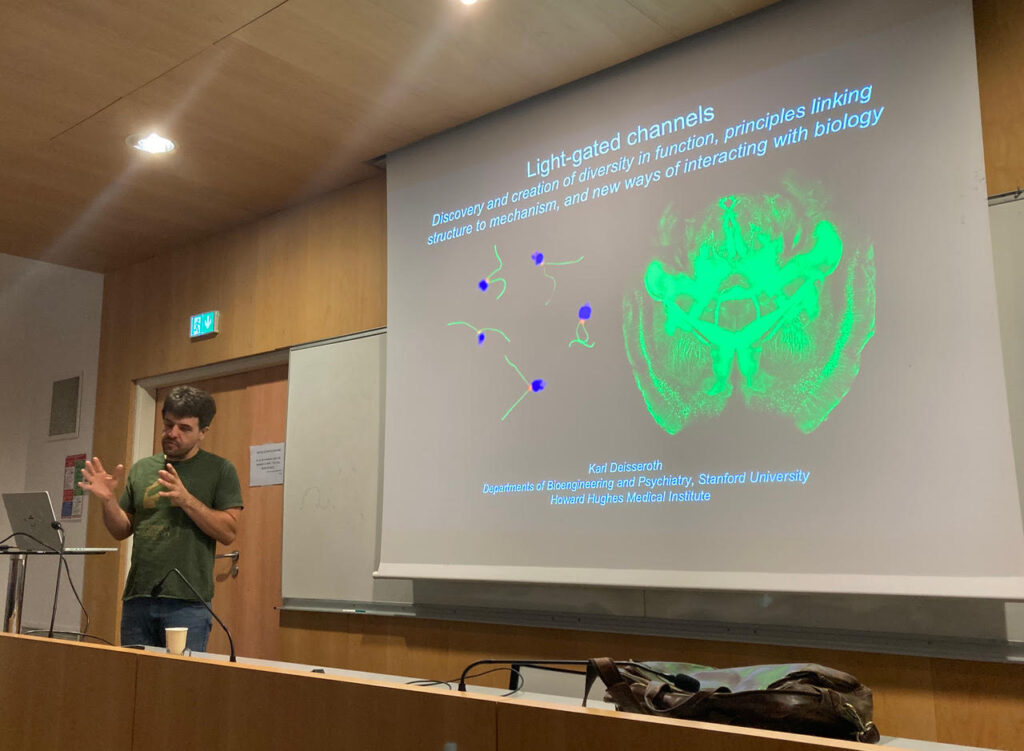
Karl Deisseroth – Stanford University, USA
Mackenzie Mathis – EPFL, Switzerland
Marie Carlen – Karolinska Institute, Sweden
Michael Bruchas – Univ. of Washington, USA
Simon Wiegert – Univ. Heidelberg, Germany
Stephan Herlitze – Bochum University, Germany
Valentina Emiliani – Institut de la Vision, France
Cyril Herry – Bordeaux University, France
Yaniv Ziv – Weizmann Institute of Science, Israel

Instructors

Daniel Jercog – Univ. of Copenhagen, Denmark
Eyal Bitton – Weizmann Institute of Science, Israel
Francois Blot – Institut de la Vision, France
Inbar Saraf-Sinik – Weizmann Institute of Science, Israel
Jesse Muir – UC Davis, USA
Jonas Wietek – Weizmann Institute of Science, Israel
Mario Carta – Univ. of Bordeaux, France
Meryl Malezieux – Max Planck Institute, Germany
Nikolas Karalis – Paris Brain Institute, France
Olivia Masseck – Univ. of Bremen, Germany
Pritish Patil – Weizmann Institute of Science, Israel
Quinn Lee – McGill University, Canada
Sean Piantadosi – Univ. of Washington, USA
Steeve Laquitaine – EPFL, Switzerland
Alon Rubin – Weizmann Institute of Science, Israel

Course content

The course will comprise keynote lectures, hands-on expert workshops in experimental sessions and data analysis. Keynote lecturers will provide an introduction to their respective fields and exciting recent findings, while expert workshops will be given by a selected set of instructors. Instructors will work with the students prior to the course to design and plan their experiments in detail.

Each student will have an opportunity to present his/her work in a poster session, and an interactive journal club will provide the students with an opportunity to present and discuss the seminal studies that have shaped modern neuroscience through the introduction of novel techniques. Following the success of a pilot session held in the previous course, we will also hold semi-formal discussions with directors and instructors about career development, scientific “soft skills” and science communication.

Techniques

  • Stereotaxic surgery: viral vector injection, fiberoptic implants, cranial windows
  • Wide-field fluorescence imaging in vivo
  • Two-photon fluorescence imaging in vivo
  • Optogenetic manipulations: somatic and presynaptic excitation/inhibition
  • Building and implanting electrode arrays for in-vivo recordings
  • In-vivo electrophysiological recordings
  • Spike sorting and electrophysiological data analysis
  • In-vitro imaging in cell culture
  • Fiber photometry recordings in behaving mice
  • Design and execution of behavioral experiments
  • Using DeepLabCut for behavioral analysis
neurons green blue

Projects

● Imaging neural activity with open-source miniscopes

● Photo-pharmacological and wireless optogenetic tools

● Thalamocortical processing of memory

● Methods for the development and characterization of genetically encoded biosensors

● Miniscope calcium imaging and analysis of the spatial code in CA1

● Comparing fluorescence-based sensors for dendritic imagining with in vivo 2-photon microscopy

● Activity-based tagging of neurons for functional dissection experiments

● 2-photon fibreoscope for imaging and holographic optogenetics in freely moving animals

● Computational analytical methods to link high-dimensional neuronal population and behavioral data

● Large-scale electrophysiological investigation of circuit dynamics

● Optogenetic silencing of synaptic terminals in freely moving mice

● Analysis of high dimensional neuronal data

(Illumination and equipment for in-vivo set-ups provided by Prizmatix)

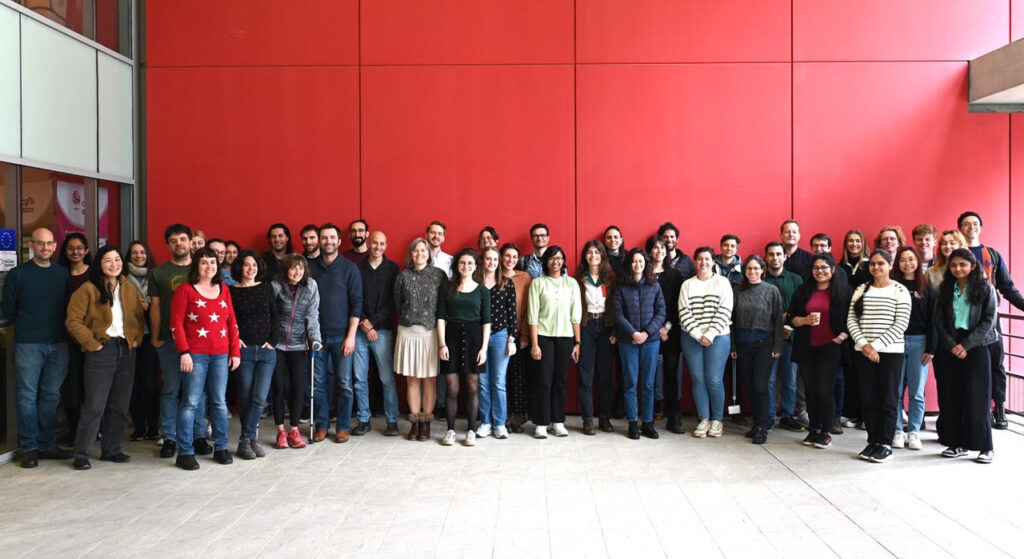
Class of 2024

Bordeaux School of Neuroscience, France

The Bordeaux School of Neuroscience is part of Bordeaux Neurocampus, the Neuroscience Department of the University of Bordeaux. Christophe Mulle, its current director, founded it in 2015. Throughout the year, renowned scientists, promising young researchers and many students from any geographical horizon come to the School.
The school works on this principle: training in neuroscience research through experimental practice, within the framework of a real research laboratory.

Facilities
Their dedicated laboratory (500m2), available for about 20 trainees, is equipped with a wet lab, an in vitro and in vivo electrophysiology room, IT facilities, a standard cellular imaging room, an animal facility equipped for behavior studies and surgery and catering/meeting spaces. They also have access to high-level core facilities within the University of Bordeaux. They offer their services to international training teams who wish to organize courses in all fields of neuroscience thanks to a dedicated staff for the full logistics (travels, accommodation, on-site catering, social events) and administration and 2 scientific managers in support of the experimentation.

Registration

Fee : 3.950 € (includes tuition fee, accommodation and meals)

The CAJAL programme offers 4 stipends per course (waived registration fee, not including travel expenses). Please apply through the course online application form. In order to identify candidates in real need of a stipend, any grant applicant is encouraged to first request funds from their lab, institution or government.

Kindly note that if you benefited from a Cajal stipend in the past, you are no longer eligible to receive this kind of funding. However other types of funding (such as partial travel grants from sponsors) might be made available after the participants selection pro- cess, depending on the course.

The Brain Prize Course: Movement and motor control in health and disease

Course overview

The ability to move in an automatic or a goal-directed manner is a crucial function for many living organisms to survive and interact efficiently with their environments. Movements generation depend on the coordinated activity of motor centres that are distributed in the cortex, the basal ganglia, the cerebellum, and the brainstem but that, altogether, shape the descending motor commands sent to the spinal cord which will then execute the appropriate movements by controlling the activity of motoneurons. Any alteration in these systems and/or their interaction will impair the flow of information leading to disastrous motor disorders. In this CAJAL course, we will not only discuss the common organization of motor centres across species (from lamprey to primate) but also the neuronal mechanism and dynamics that underlie spontaneous and voluntary movements as well as how pathological alteration of these activities can lead to detrimental motor performances and disease state.

The goal of this CAJAL course is to instruct promising young neuroscientists to the advanced scientific concepts established in the field of motor control. We will present the latest discoveries that has been made in different species that shed light on how voluntary and goal-directed movements are generated. We will also describe the computational advances and analysis method that has pushed the limit of understanding movement generation.

Partner

brain prize logo

Course directors

University of Copenhagen, Denmark

Paris Brain Institute, France

University of Bordeaux, France

Seminal Lecture

Réjean Dubuc – Université de Montréal, Canada

Honorary lectures from Brain Prize Winners

Silvia Arber  –  Basel University, Switzerland
Ole Kiehn  –  University of Copenhagen, Denmark

Keynote Speakers

David McLean – Northwestern University, USA
Lora Sweeney – Institute of Science and Technology A., Austria
Jonathan Whitlock – KISN, Norway
Camille Jeunet – INCIA CNRS, Bordeaux University, France
Marie-Laure Welter – Paris Brain Institute, France
Joaquim Alves da Silva – Champalimaud CU, Portugal
Gilad Silberberg – Karolinska Institutet, Sweden
Claire Meehan – University of Copenhagen, Denmark
Ian Duguid – University of Edinburgh, UK
Samuel Sober, Emory University, USA

Instructors

Amanda Jacob, Emory University, USA
Arthur Leblois, University of Bordeaux, France
Brice De la Crompte, Université de Bordeaux, France
Carmen Guerrero Marquez, University of Bordeaux, France
Constantinos Eleftheriou, University of Edinburgh
Emeline Pierrieau, University of Bordeaux, France
Filipa Barros, Champalimaud Centre for the Unknown, Portugal
Florina Toma, Institute of Science and Technology A., Austria
Graziana Gato, University Hospital Cologne
Joshua Dacre, University of Edinburgh
Kevin Fidelin, Paris Brain Institute, France
Kristen Frenzel, Emory University, USA
Lise Guilhemsang, University of Bordeaux, France
Marc Deffains, University of Bordeaux, France
Marco Romanato, Paris Brain Institute, France
Matthias Gruhn, University Hospital Cologne
Roberto De la Torre, Karolinska Institutet, Sweden
Salif Komi, University of Copenhagen, Denmark
Xinyu Jia, Paris Brain Institute, France

Course content

The course will feature a series of honorary lectures by two of the 2022 Brain Prize winners, keynote lectures, and hands-on expert workshops covering experimental sessions and data analysis. Keynote lecturers will introduce their respective fields and share their latest exciting discoveries. Expert workshops, led by a select group of instructors, will provide in-depth, practical training.

Participants will receive hands-on training on state-of-the-art methods applied to the study of motor control in the field including motor tracking, optogenetics manipulation, calcium imaging, high-density electrophysiology recording and data analysis. Prior to the course, instructors will work closely with students to design and plan the detailed experiments conducted during the miniproject, ensuring a tailored and enriching learning experience. Each student will have the opportunity to present their research through short communications and a poster session. Additionally, students will showcase the results of their miniprojects conducted during the workshop.

Throughout the course, students will have numerous opportunities to build their scientific network and engage with course directors, keynote speakers, instructors, and peers.

The course will be an intensive 3-week theoretical and practical course with two main goals:

1) Teaching students the theoretical foundation of the techniques (in week 1 and 2).

2) Give them enough hands-on experience to create an experimental mini-project (week 1) that will be carried out (in weeks 2 and 3) so they can establish these methods when they get back to their labs.

Techniques

Stereotaxic surgery: viral vector injection, cranial windows, fiber optic, and miniscope implantation.

– In vivo one-color and dual-color calcium imaging

– High-density in vivo electrophysiological recordings using Neuropixel probes

– Ex vivo and in vivo patch clamp recordings

– Building a brain-computer interface to decode movement

– Muscle fibers recordings using high-density Myomatrix arrays

– Using open-source tools to build motor behavioral apparatus

– In vivo optogenetic manipulations during motor behavior

– Motor behavior in zebrafish larva and rodents

– Modelling the motor system & Data analysis

Projects

Hands-on projects will include:

  1. Simultaneous imaging of D1 and D2 medium spiny neurons’ activity in freely moving mice.
  2. Investigating connectivity among reticulospinal neurons in vivo.
  3. Estimating how many reticulospinal neurons are sufficient to trigger locomotor bouts.
  4. Understanding locomotion behaviour in Parkinson’s disease through quantitative measures – From lab to real world.
  5. Investigating the motor functions of diverse classes of hindbrain and spinal interneurons via CRISPR/Cas genome editing in Xenopus.
  6. Ex vivo and in vivo patch clamp recordings.
  7. Neuropixel recording in mice performing a Forelimb Reaching task
  8. Modeling the motor system.
  9. Advancing Neuroscience Research with Myomatrix Arrays: High-Resolution EMG Recordings in Freely Behaving Mice and Stick Insects
  10. Using and developing open-source tools to investigate motor behavior and its neuronal correlates.
  11. Build a basic brain-computer interface for decoding movement intention.
  12. Activity of Globus Pallidus Arkypallidal neurons during skilled-reaching movements in mice.
  13. Pathophysiology of bradykinetic motor behavior in a non-human primate model of Parkinson’s disease.
  14. Modelling the mouse spinal cord structure and its emergent dynamics in space.
  15. Functional connectivity in the song-related basal ganglia-thalamo-cortical loop

Bordeaux School of Neuroscience, France

The Bordeaux School of Neuroscience is part of Bordeaux Neurocampus, the Neuroscience Department of the University of Bordeaux. Christophe Mulle, its current director, founded it in 2015. Throughout the year, renowned scientists, promising young researchers and many students from any geographical horizon come to the School.
The school works on this principle: training in neuroscience research through experimental practice, within the framework of a real research laboratory.

Facilities
Their dedicated laboratory (500m2), available for about 20 trainees, is equipped with a wet lab, an in vitro and in vivo electrophysiology room, IT facilities, a standard cellular imaging room, an animal facility equipped for behavior studies and surgery and catering/meeting spaces. They also have access to high-level core facilities within the University of Bordeaux. They offer their services to international training teams who wish to organize courses in all fields of neuroscience thanks to a dedicated staff for the full logistics (travels, accommodation, on-site catering, social events) and administration and 2 scientific managers in support of the experimentation.

Registration

Fee : 3.950 € (includes tuition fee, accommodation and meals)

The CAJAL programme offers 4 stipends per course (waived registration fee, not including travel expenses). Please apply through the course online application form. In order to identify candidates in real need of a stipend, any grant applicant is encouraged to first request funds from their lab, institution or government.

Kindly note that if you benefited from a Cajal stipend in the past, you are no longer eligible to receive this kind of funding. However other types of funding (such as partial travel grants from sponsors) might be made available after the participants selection process, depending on the course.

Neuro-vascular function in health and disease

Course overview

The neurovascular unit, composed of vascular cells, glial cells, and neurons is fundamental for the proper function of the brain. The NVU regulates supply of the cerebral blood flow (CBF) and maintains integrity of the blood-brain barrier (BBB).

Dysfunction of the neurovascular unit may result in devastating conditions such as dementia, cerebral ischemia, or brain oedema formation. This advanced experimental course will allow students to gain basic knowledge and hands-on experience on the most important techniques used to study the neurovascular unit, such as in vivo/in vitro high-resolution imaging, magnetic resonance imaging, and rodent models of cerebrovascular disease. The course will also focus on data reproducibility and open science.

Course partner

Course directors

Nikolaus Plesnila

Course Director

Ludwig Maximilian University, Germany

Jérôme Badaut

Course Director

Bordeaux University, France

Catherine Hall

Course Director

Sussex University, UK

Keynote Speakers

David Attwell – University College London, UK
Felipe Barros – Centro de Estudios Científicos, Chile
Serge Charpak – University of Paris, France
Turgay Dalkara – Hateceppe University, Turkey
Ali Ertürk – University of Munich, Germany
Jean Francois Ghersi-Egea – Lyon Neuroscience Research Centre, France
Anne Joutel – University of Paris, France
Martin Lauritzen – University of Copenhagen, Denmark
Malcolm MacLeod – University of Edinburgh, UK
Pierre Magistretti – University of Lausanne, Switzerland
Maiken Nedergaard – University of Copenhagen, Denmark
Mark Nelson – University of Burlington, USA
Andy Obenhaus – USI, USA
Andy Shih – Seattle Children’s Research Institute, USA
Robert Thorne – Denali Therapeutics / University of Wisconsin-Madison, USA
Susanne Van Veluw – Harvard Medical School, USA

Instructors

Silvia Anderle – University of Sheffield
Orla Bonnar – University of Sheffield
Gian-Marco Calandra – Massachusetts General Hospital
Audrey Chagnot – University of Sussex
Yulia Dembitskaia – University of Edinburgh
Maximillian Dorok – Johns Hopkins
Christophe Dubois – université de Bordeaux
Beth Eyre – University of Munich
Severin Filser – University of Munich
Jordan Girard – Université de Bordeaux
Clare Howarth – University of Munich
Malika Ihle – University of Munich
Igor Khalin – University of Munich
Tom Langdon – University of Munich
Guillaume Le Bourdelles – Inscopix
Axel Montagne – Université de Bordeaux
Burcu Seker – Université de Bordeaux
Josh Shrouder – University of Munich
Rebecca Sienel – University of Edinburgh
Jonathan Zapata – Johns Hopkins

Course content

This 3-week long course is a practical “hands-on” introduction to advanced methods for the investigation of the neuro-vascular unit in health and disease. The course will be structured in a theoretical and a practical part.

In the theoretical part world leading scientists in the neurovascular unit (NVU) research will give overview lectures about the function of the NVU and present techniques how to study the NVU in a reproducible manner. Such overview presentations will be paralleled by workshops. In the practical part of the course students will learn surgical techniques necessary to perform animal models of disease and to prepare cranial windows required for the study of cerebral vessels, will be trained to image cerebral vessel function in vitro and in vivo, and will learn how to analyse and display the acquired data.

Techniques

The following techniques will be taught at the course:

  • Chronic cranial window surgery

  • Habituation to the rig for awake imaging

  • Experimental design and presentation of stimuli

  • 2 photon imaging of neurovascular coupling (neuronal activity, blood vessel dilations)

  • 2 photon imaging of vascular function (vasomotion, calcium signals in vessels)

  • Wide field imaging and recording of neurovascular function and metabolism (2D OIS, laser speckle, haemoglobin spectrometry, laser doppler flowmetry – equipment to be loaned by Moor Instruments)

  • Data processing and analysis

Projects

The following projects will be taught at the course:

  • Two-photon microscopy imaging of blood vessels and neuronal activity in vivo

  • Brain imaging in freely moving mice using mini-scopes

  • Two-photon microscopy imaging of stroke

  • Widefield imaging of neurovascular relationships

  • Open Science

  • Correlative light-electron microscopy (CLEM)

  • Vascular signalling in pressurized brain slices

  • BBB permeability in mice and humans by MRI

  • SUSHI – evaluating the brain’s extracellular space by STED microscopy

  • Histological techniques for the analysis of cerebral vessels

  • Brain clearing for the analysis of cerebral vessels

Bordeaux School of Neuroscience, France

The Bordeaux School of Neuroscience is part of Bordeaux Neurocampus, the Neuroscience Department of the University of Bordeaux. Christophe Mulle, its current director, founded it in 2015. Throughout the year, renowned scientists, promising young researchers and many students from any geographical horizon come to the School.
The school works on this principle: training in neuroscience research through experimental practice, within the framework of a real research laboratory.

Facilities
Their dedicated laboratory (500m2), available for about 20 trainees, is equipped with a wet lab, an in vitro and in vivo electrophysiology room, IT facilities, a standard cellular imaging room, an animal facility equipped for behavior studies and surgery and catering/meeting spaces. They also have access to high-level core facilities within the University of Bordeaux. They offer their services to international training teams who wish to organize courses in all fields of neuroscience thanks to a dedicated staff for the full logistics (travels, accommodation, on-site catering, social events) and administration and 2 scientific managers in support of the experimentation.

Registration

Fee : 3.950 € (includes tuition fee, accommodation and meals)

Applications closed on 14 November 2022

The CAJAL programme offers 4 stipends per course (waived registration fee, not including travel expenses). Please apply through the course online application form. In order to identify candidates in real need of a stipend, any grant applicant is encouraged to first request funds from their lab, institution or government.

Kindly note that if you benefited from a Cajal stipend in the past, you are no longer eligible to receive this kind of funding. However other types of funding (such as partial travel grants from sponsors) might be made available after the participants selection pro- cess, depending on the course.

Course sponsors