Category Archives: On Site

Display this course using the On-Site template (blue)

Frontiers in Neural Organoids Modelling

Course overview

The course provides advanced training into the field of neural organoids for the modeling of brain development and physiopathology. Neural organoids, three-dimensional models derived from human pluripotent stem cells, have been revolutionizing the study of the human brain and its disorders by recapitulating key steps of human brain development including neural stem cells patterning, expansion, differentiation and connectivity. Moving beyond a basic introduction, this intensive course will focus on emerging frontiers research directions, equipping the next generation of neuroscientists with cutting-edge frontier know-how.


The course emphasizes an integrative, hands-on approach that bridges the gap between theoretical knowledge and practical applications by combining experimental and computational methods. Participants will gain a sophisticated theoretical framework and the practical insights to pursue the frontiers of neural organoid modelling in their own research.


Course Directors

giuseppe testa

Giuseppe Testa

University of Milan and Human Technopole, Italy

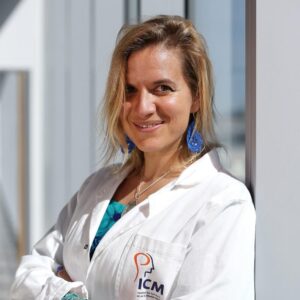
Flora Vaccarino

Flora Vaccarino

Yale University, USA

Scientific Directors

Nicolo Caporale

Nicolò Caporale

University of Milan and Human Technopole, Italy

Emanuele Villa

Human Technopole, Italy

Keynote Speakers

Juergen Knoblich, Institute of Molecular Biotechnology, Austria
Michael Wells, University of California, USA
Helena Kilpinen, University of Helsinki, Finland
Orly Reiner, Weizmann Institutre, Israel
Giulio Franzese, EURECOM, France
Pietro Michiardi, EURECOM, France
Jason Stein, University of North Carolina at Chapel Hill, USA
Carlo Colantuoni, Johns Hopkins University School of Medicine, USA
Alexej Abyzov, Mayo Clinic, USA
Sara Bizzotto, Institut Imagine, France

Instructors

Laila Sathe, University of California, USA
Puigdevall Costa, University of Helsinki, Finland
Jeyoon Bok, University of Michigan, USA
Giulio Franzese, EURECOM, France
Carlo Colantuoni, Johns Hopkins University School of Medicine, USA
Ariana Berenice Marquez Gonzalez, University of North Carolina at Chapel Hill, USA
Wang, Yifan, Mayo Clinic, USA
Natalia Baumann, Institut Imagine, France
Alexandre Jourdon, Yale School of Medicine, USA
Soraya Scuderi, Yale School of Medicine, USA
Davide Castaldi, Human Technopole, Italy
Manuel Lessi, Human Technopole, Italy
Luciana Isaja, Human Technopole, Italy
Filippo Mirabella, Human Technopole, Italy

Course content

Topics

This course will focus on five themes:


● Neural organoids for population-scale neurodevelopmental modelling to connect molecular and clinical phenotypes;


● Mosaic models to understand the molecular basis of clonal dynamics and non-cellautonomous effects in the human brain;


● Mathematical modelling of neural organoid biology;


● Morphogen patterning as a driver of brain region and cell lineage specification and a source of biases in brain morphogenesis;


● Somatic mutations in pluripotent lines to trace developmental lineages.

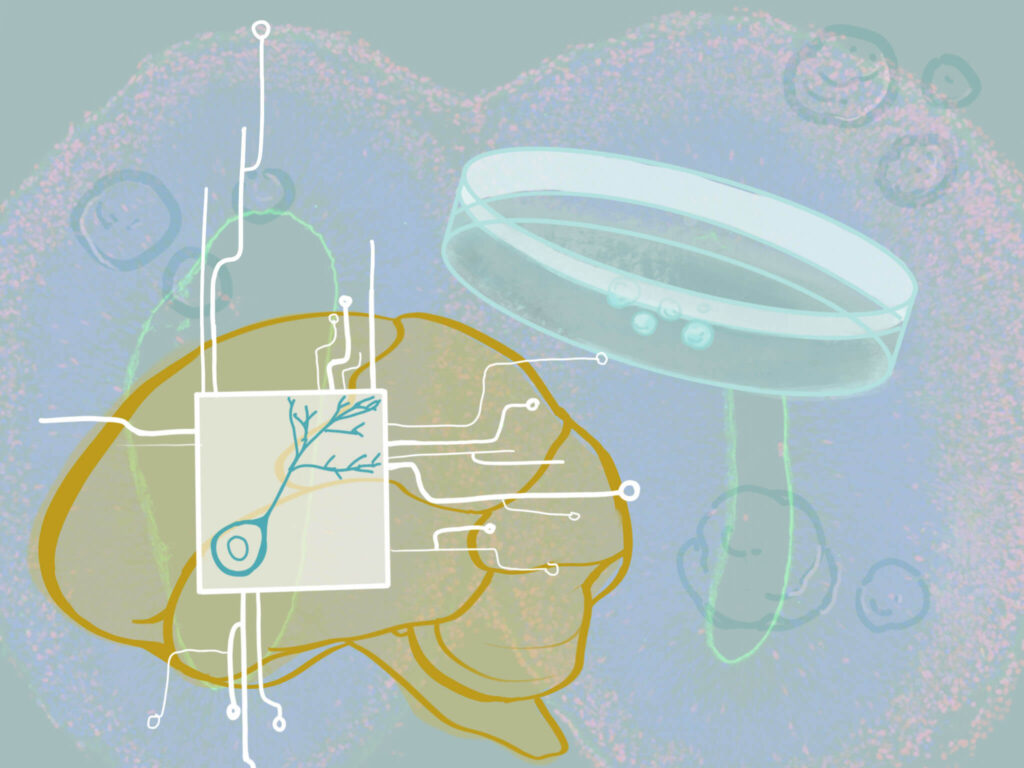
brain organoids

Aims and Techniques

The primary objective of this intensive course is to equip young neuroscientists with the sophisticated theoretical framework and practical expertise required to successfully implement neural organoids in their own research endeavors.


Upon completion of the course, participants will be able to:

● Demonstrate a comprehensive understanding of the principles of differentiation of

pluripotent stem cells into different neural organoid types.

● Critically assess the advantages and disadvantages of neural organoid modelling and select the most appropriate designs for their research questions.

● Master essential techniques for the characterization of neural organoids, including multiplexing approaches to scale-up modelling, integrating molecular and clinical endophenotypic scales, and dissecting unexplored dynamics of developmental systems.

● Design and execute experiments leveraging neural organoids to model complex physiopathological processes, through a combination of experimental and computational approaches.

● Establish a professional network with leading scientists and peers, fostering future collaborations and career development.

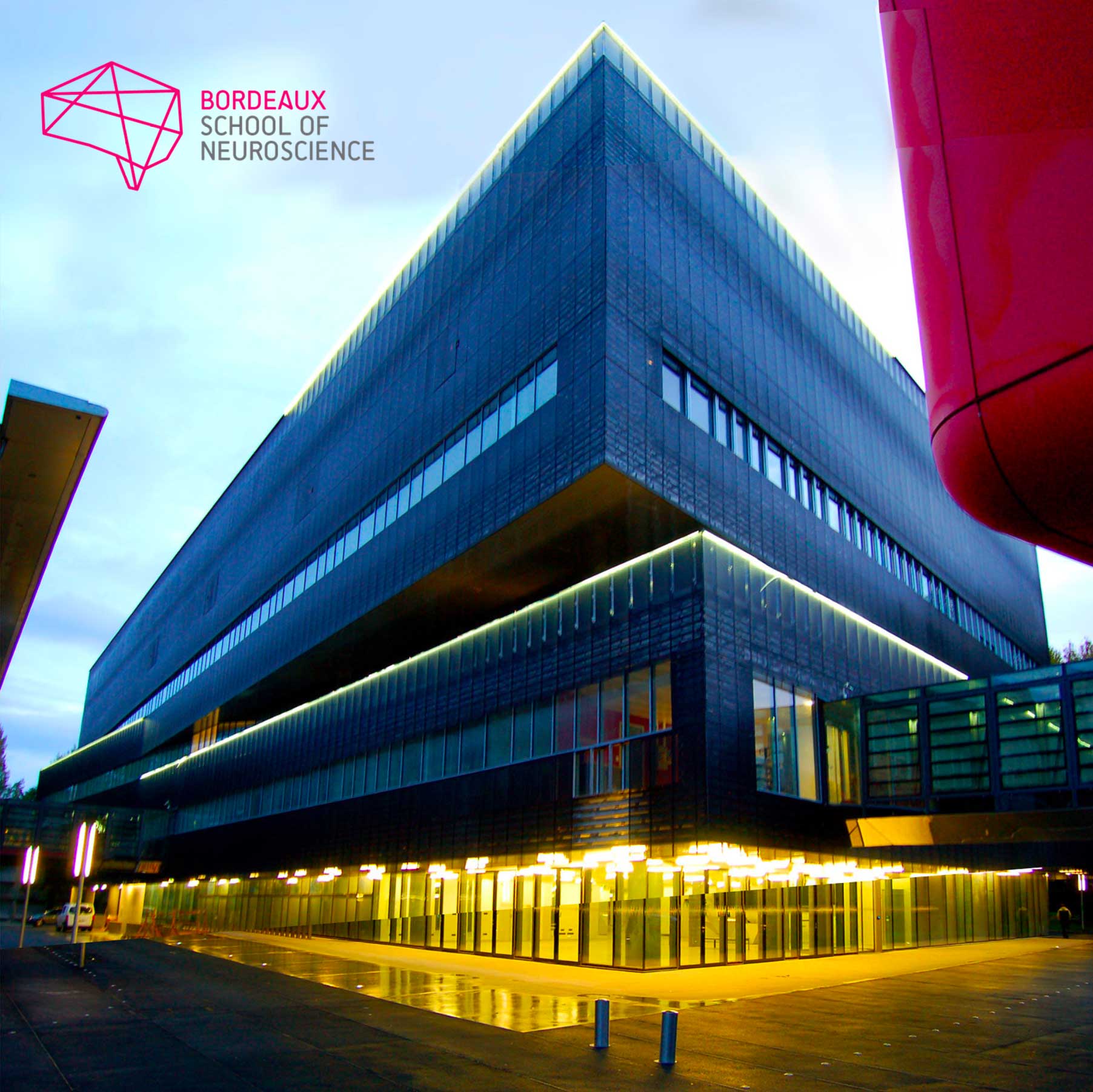
Bordeaux School of Neuroscience, France

The Bordeaux School of Neuroscience is part of Bordeaux Neurocampus, the Neuroscience Department of the University of Bordeaux. Christophe Mulle, its current director, founded it in 2015. Throughout the year, renowned scientists, promising young researchers and many students from any geographical horizon come to the School.
The school works on this principle: training in neuroscience research through experimental practice, within the framework of a real research laboratory.

Facilities
Their dedicated laboratory (500m2), available for about 20 trainees, is equipped with a wet lab, an in vitro and in vivo electrophysiology room, IT facilities, a standard cellular imaging room, an animal facility equipped for behavior studies and surgery and catering/meeting spaces. They also have access to high-level core facilities within the University of Bordeaux. They offer their services to international training teams who wish to organize courses in all fields of neuroscience thanks to a dedicated staff for the full logistics (travels, accommodation, on-site catering, social events) and administration and 2 scientific managers in support of the experimentation.

Registration

Fee : 4.500 € (includes tuition fee, accommodation and meals)

Applications are now closed!

Sponsors

Quantitative Approaches to Behavior and Virtual Reality

Course overview

Quantitative studies of behaviour are fundamental in our effort to understand brain function and malfunction. Recently, the techniques for studying behaviour, along with those for monitoring and manipulating neural activity, have progressed rapidly. Therefore, we are organizing a summer course to provide promising young scientists with a comprehensive introduction to state-of-the-art techniques in quantitative behavioural methods. This course’s content is complementary to other summer courses that focus on measuring and manipulation neurophysiological processes. 


Our focus is on methodologies to acquire rich representations of behavioral data, dissect them statistically, model their dynamics, and integrate them with other kinds of neurobiological data to address scientific questions. To this end, students will 1) fabricate devices for recording the behavior experimental organisms, 2) learn, under the guidance of the scientists developing these methods, the modern tools to analyze behavioral data from these organisms, and 3) in a week-long independent project develop and conduct a behavioral study of their own design, with the support and guidance of the course instructors and teaching assistants. 


The course content is designed to be translational. Methodologies and analytical frameworks developed for one model organism can be adapted and applied across species, from invertebrates to humans. Understanding the behavioral repertoires and experimental possibilities in both simple model systems like flies and complex organisms like humans will significantly expand students’ experimental horizons and research capabilities.

Course directors

woman ann

Ann Kennedy

Course Director

Scripps Research, USA

man giorgio

Giorgio Gilestro

Course Director

Imperial College London, UK

Daniel McNamee

Course Director

Champalimaud Foundation, Portugal

Speakers

Ahmed El Hady (Max Planck Institute, Germany)

Andre Brown (Imperial College London, UK)

Andrew Straw (University of Freiburg, Germany)

Barbara Webb (University of Edinburgh, UK)

Ben De Bivort (Harvard University, USA)

Carlos Ribeiro (Champalimaud Foundation, Portugal)

Gordon Berman (Emory College, USA)

Greg J. Stephens (OIST Graduate University, Japan)

Iain Couzin (Max Planck Institute of Animal Behavior, Germany)

Joshua Shaevitz (Princeton University, USA)

Kim Hoke (Colorado State University, USA)

Kristin Branson (HHMI Janelia Research Campus, USA)

Michael Orger (Champalimaud Foundation, Portugal)

Nachum Ulanovsky (Weizmann Institute of Science, Israel)

R. James Cotton (Northwestern University, USA)

Sama Ahmed (University of Washington, USA)

Talmo Pereira (The Salk Institute for Biological Studies, USA)

Instructors

Ammon David Perkes (UC Davis, USA)

Miguel Paço (Champalimaud Foundation, Portugal)

Shrivas Chaterji (Champalimaud Foundation, Portugal)

Ugne Klibaite (Harvard University, USA)

William Walker (Champalimaud Foundation, Portugal)

Yi Lin Zhou (Harvard University, USA)

Course content

This 3-week course is a practical “hands-on” introduction to advanced methods in behavioural tracking and analysis. Our educational goal is to cover sufficient background such that all participants will be able to establish these techniques in their home laboratories.

In the pedagogical portion of the course (blocks 1 and 2) we will use three main experimental model systems: flies (Drosophila melanogaster), fish (Danio rerio), and humans (Homo sapiens). Several days of instruction will focus on the analysis of video recordings of flies, fish, and humans as well as physiological signals and auditory recordings (from humans). On these days, students will perform analyses either on the data they acquired, on videos we provide of fish and rodents behaving, or on data from their own organism of choice.


In the student project portion of the course (block 3), students may develop their experiments using any of the three experimental model organisms from the course, or using other organisms in use at the Champalimaud (subject to their availability)
We will cover data acquisition (software, hardware, tools), data extraction (single animal, body part, and multiple animal tracking systems), data analysis (clustering, ethograms), and hypothesis-driven modeling (reinforcement learning, optimal feedback control).

Course format

QAB 2

TThe course is organized in three blocks. During the first block, the students will use flies, fish, and human participants to learn, through hands-on device fabrication, environment design, and data acquisition, how modern ethological methods like markerless tracking, virtual reality, automation, and optogenetics can be used for quantitative behavioral experiments.

In the second block, students will study data from a broader range of species while learning to apply quantitative analysis methods (e.g. unsupervised and supervised ethograms, manifold inference, deep neural networks, theoretical modeling) to tackle questions about behavior and brain function. 

In the third block, students will form small groups and deploy these new skills to design and implement a week-long research project of their choice that consolidates this new knowledge, culminating in presentations of their findings. The extended project will offer an opportunity for the participants to undertake novel state-of-the-art research supervised by international experts in the field.


In addition:

– International speakers will give daily seminars to describe how quantitative tools of behavioural analysis have impacted their work. Several of these speakers will also conduct pedagogical sessions to instruct students in the devices and analyses they have developed. Students will have structured opportunities to interact scientifically and socially with course speakers outside of the lab.

– Students will give daily micro-presentations on their successes and failures implementing the instructed techniques of blocks 1 and 2.

– Students will give presentations, throughout the course, on the research they are pursuing in their home labs.

– At the end of block 3, students will present their independent projects in a culminating research symposium.


Champalimaud Centre for the Unknown, Portugal

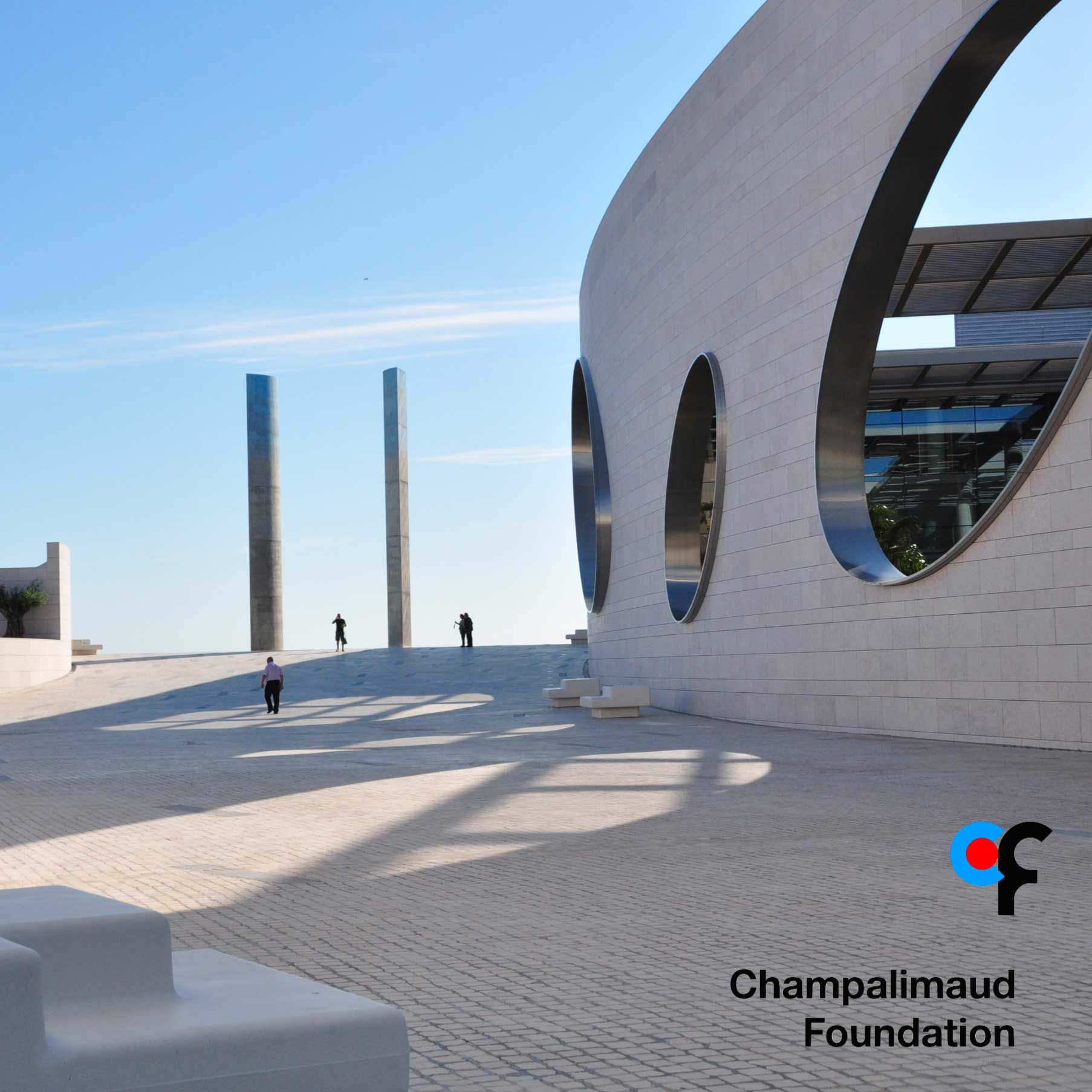
The Champalimaud Foundation is a private, non-profit organization, established in 2005 and dedicated to research excellence in biomedical science. Completed in 2010, the Champalimaud Centre for the Unknown is a state-of-the-art centre that houses the Champalimaud Clinical Centre and the Champalimaud Research, with its three parallel programs – the Champalimaud Neuroscience Programme, the Physiology and Cancer Programme, and the Experimental Clinical Research Programme.
Initially focused on a system and circuit approach to brain function and behavior, the Centre expanded to incorporate molecular and cell biological expertise. The Centre comprises 26 research groups (circa 400 researchers) leading independent curiosity-based research.

Facilities
The Centre provides Facilities dedicated for Training, some in their entirety, for use by the CAJAL Advanced Neuroscience Training Programme. These include the Teaching Laboratory, a fully equipped open lab space for 20-30 students that can be dynamically reconfigured to support a full range of neuroscience courses. It also overlooks, via floor to ceiling windows, a tropical garden and the river. The experimental spaces include: Imaging Lab: A dark-room containing a full size optical table is used for advanced imaging setups (two-photon microscopy, SPIM, etc.) and custom (course-designed) optical systems.

Registration

Fee : 4.500 € (includes tuition fee, accommodation and meals)

Applications are now closed!

Sponsors

Neuromics – Single-Cell and Spatial omics in the Nervous System

Course overview

The field of neuroscience is undergoing a revolutionary transformation through the integration of cutting-edge genomic technologies with traditional neurobiological approaches. Single-cell and spatial genomics are unveiling unprecedented molecular insights into nervous system development, function, and disease, fundamentally changing our understanding of neural circuits and brain organization.


This intensive three-week course provides comprehensive hands-on training in state-of-the-art “neuromics” technologies, combining theoretical foundations with practical experience in single-cell genomics, spatial transcriptomics, and multi-omics approaches specifically applied to the nervous system. Participants will gain expertise in experimental design, data generation, computational analysis, and biological interpretation of high-throughput genomic datasets from neural tissues.


The course integrates lectures from world-leading scientists with intensive laboratory work, enabling participants to master both experimental protocols and computational pipelines essential for modern neuroscience research. Through collaborative projects, students will explore applications ranging from neural development and cell type identification to disease mechanisms and therapeutic targets.

Course directors

Gioele La Manno

Brain Mind Institute, School of Life Sciences, École Polytechnique Fédérale de Lausanne, Switzerland 

Hannah Hochgerner

Department of Biotechnology and Food Engineering, Technion – Israel Institute of Technology, Haifa, Israel

alexandre favereaux

Alexandre Favereaux

Interdisciplinary Institute for Neuroscience (IINS), CNRS, Université de Bordeaux, France

Invited Speakers

Xiaoyin Chen (Allen Brain Institute, USA)
Aparna Badhuri (UCSF, USA)
Goncalo Castelo Branco (Karolinska Institute, Sweden)
Emma Andersson (Karolinska Institute, Sweden)
Lora Sweeney (IST, Austria)
Naomi Habib (Hebrew University, Israel)

Instructors

Experimental:
Marek Bartosovic (Stockholm University)
Hsiu-Chuan Lin (CRG, Barcelona)
Mykhailo Batiuk (EPFL, Switzerland)
Sarah Stucchi (Human Technopole, Milano)
Ann Bright (MPI for Biological Intelligence)
Natalia Ochocka (ICTER, Poland)
Danny Kitsberg (Hebrew University, Jerusalem)
Chika Yokota (SciLifeLab, Stockholm)

Computational:
Camiel Mannens (KU Leuven)
Alex Lederer (Lausanne University Hospital, Switzerland)
Luca Fusar Bassini (EPFL, Switzerland)
Sergio Marco Salas (Helmholtz, Munich)
Dominik Szabo (MDC, Berlin)
Alan Teo (EPFL, Switzerland)
Marius Lange (ETH, Switzerland)
Andrian Yang (University of Cambridge, UK)

Target Audience: This course is designed for graduate students and postdoctoral fellows from diverse backgrounds including neuroscience, computational biology, and related fields. Participants should have basic knowledge of molecular biology and basic familiarity with programming for computational components. The course welcomes researchers from both experimental and computational backgrounds seeking to integrate new omics approaches into their neurobiology research.

Course Content and Techniques

neurons green blue

Experimental Approaches

• Single-cell and single-nucleus RNA sequencing 

• Spatial transcriptomics

• Single-cell epigenomics

• Multi-omics integration

• Sample preparation techniques for nervous system tissues

• Quality control and experimental optimization

Computational Analysis

• Single-cell data preprocessing and quality control

• Cell type identification and characterization

• Trajectory analysis and pseudotime reconstruction

• Spatial data analysis and tissue organization mapping

• Multi-omics data integration strategies

• Machine learning applications in single-cell genomics

• Visualization and interpretation of high-dimensional datasets

Applications in Neuroscience

• Neural development and differentiation trajectories

• Adult brain cell type taxonomy and function

• Disease mechanisms and biomarker discovery

• Comparative neuroscience across species

• Stem cell-based neural models and organoids

• Therapeutic target identification


Learning Objectives

Upon completion of this course, participants will be able to:

Design and execute single-cell and spatial genomics experiments for neural tissues

Apply appropriate computational methods for analyzing complex genomic datasets

Integrate multi-modal data to address biological questions in neuroscience

Critically evaluate and interpret results from high-throughput genomic studies

Implement best practices for data management, reproducibility, and sharing

Translate genomic findings into testable hypotheses for further research


Course Structure

The course combines keynote lectures from renowned experts in neuromics, hands-on laboratory sessions using cutting-edge technologies, computational workshops with real datasets, and collaborative group projects. Participants will work in small teams on mini-projects that integrate experimental and computational components, culminating in presentations of their findings. Journal clubs and expert panels will provide opportunities for scientific discussion and career development.

This comprehensive training program equips the next generation of neuroscientists with essential skills for leveraging genomic technologies to advance our understanding of the nervous system in health and disease.


Bordeaux School of Neuroscience, France

The Bordeaux School of Neuroscience is part of Bordeaux Neurocampus, the Neuroscience Department of the University of Bordeaux. Christophe Mulle, its current director, founded it in 2015. Throughout the year, renowned scientists, promising young researchers and many students from any geographical horizon come to the School.
The school works on this principle: training in neuroscience research through experimental practice, within the framework of a real research laboratory.

Facilities
Their dedicated laboratory (500m2), available for about 20 trainees, is equipped with a wet lab, an in vitro and in vivo electrophysiology room, IT facilities, a standard cellular imaging room, an animal facility equipped for behavior studies and surgery and catering/meeting spaces. They also have access to high-level core facilities within the University of Bordeaux. They offer their services to international training teams who wish to organize courses in all fields of neuroscience thanks to a dedicated staff for the full logistics (travels, accommodation, on-site catering, social events) and administration and 2 scientific managers in support of the experimentation.

Registration

Fee : 4.500 € (includes tuition fee, accommodation and meals)

Applications are now closed!

The Brain Prize Course – Computational and Theoretical Neuroscience

Course overview

Understanding how the brain gives rise to behavior requires computational and theoretical methods. These allow us to formalize the function of neural circuits and to quantify behavior, as well as to analyze and understand complex high-dimensional datasetsTheoretical and experimental approaches work synergistically in modern neuroscience, where computational methods are critical for designing and interpreting experiments.


This course teaches concepts, methods, and practices of modern computational neuroscience through a combination of lectures and hands-on project work. During the course’s mornings, distinguished international faculty deliver lectures on topics across the entire breadth of experimental and computational neuroscience. For the remainder of the time, students work on research projects in teams of 2 to 3 people under close supervision of expert tutors and faculty. Research projects are proposed by faculty before the course, and include the modeling of neurons, neural systems, and behavior, the analysis of state-of-the-art neural data (behavioral data, multi-electrode recordings, calcium imaging data, connectomics data, etc.), and the development of theories to explain experimental observations.

brain prize logo

Course directors

Champalimaud Foundation, Portugal

University of Pennsylvania, USA

Technical University of Munich, Germany

Technion – Israel Institute of Technology

Keynote Speakers

Larry Abbott (Columbia University, USA)
Haim Sompolinsky (Harvard University, USA  & Hebrew University of Jerusalem, Israel)


Invited Speakers

Susanne Schreiber (Humboldt University of Berlin, Germany)
Francesca Mastrogiuseppe (SISSA – International School for Advanced Studies, Italy )
Il Memming Park (Champalimaud Foundation, Portugal)
Jakob Macke (University of Tübingen, Germany )
Wiktor Młynarski (LMU Munich – Ludwig-Maximilians-Universität München, Germany )
Laura Busse (LMU Munich – Ludwig-Maximilians-Universität München, Germany )
Yiota Poirazi (IMBB–FORTH, Heraklion, Greece )
Adrienne Fairhall (University of Washington, USA)
Agostina Palmigiano (Gatsby Computational Neuroscience Unit, UCL, United Kingdom)
Joe Paton (Champalimaud Foundation, Portugal)
Dmitri Chklovskii (Flatiron Institute, Simons Foundation, USA)
Brent Doiron (University of Chicago, USA)
Gilles Laurent (Max Planck Institute for Brain Research, Germany)
Alex Cayco Gajic (École Normale Supérieure – PSL, France )
Rafal Bogacz (MRC Brain Network Dynamics Unit, University of Oxford, United Kingdom)

Instructors

Luisa Ramirez (University of Mainz, Germany)

Juan Castiñeiras (Champalimaud Foundation, Portugal)

Juan Luis Riquelme (École Normale Supérieure, France)

Yoav Ger (Technion – Israel Institute of Technology)

Course content

This course is designed for graduate students and postdoctoral fellows from a variety of disciplines, including neuroscience, physics, electrical engineering, computer science, mathematics and psychology. Students are expected to have a keen interest and basic background in neurobiology, a solid foundation in mathematics, as well as some computing experience. 

Preliminary programme

All days are structured with a lecture during the morning, and more experimental learning & tutorials during the afternoon, followed by discussion.

Week 1

  • Introduction and Single Neuron Dynamics

  • Network Dynamics

  • Statistical models of neural data

  • Multivariate neuronal data analysis

  • Normative models

Week 2

  • Low and high dimensional network dynamics

  • Sensory processing and cognition

  • Population coding and learning

  • Cortical circuits in vision and audition

  • Multi-scale computation in the brain

Week 3

  • Neuronal basis for reinforcement learning

  • Decision-making and control

  • Recurrent neural networks and probabilistic computation

Champalimaud Centre for the Unknown, Portugal

The Champalimaud Foundation is a private, non-profit organization, established in 2005 and dedicated to research excellence in biomedical science. Completed in 2010, the Champalimaud Centre for the Unknown is a state-of-the-art centre that houses the Champalimaud Clinical Centre and the Champalimaud Research, with its three parallel programs – the Champalimaud Neuroscience Programme, the Physiology and Cancer Programme, and the Experimental Clinical Research Programme.
Initially focused on a system and circuit approach to brain function and behavior, the Centre expanded to incorporate molecular and cell biological expertise. The Centre comprises 26 research groups (circa 400 researchers) leading independent curiosity-based research.

Facilities
The Centre provides Facilities dedicated for Training, some in their entirety, for use by the CAJAL Advanced Neuroscience Training Programme. These include the Teaching Laboratory, a fully equipped open lab space for 20-30 students that can be dynamically reconfigured to support a full range of neuroscience courses. It also overlooks, via floor to ceiling windows, a tropical garden and the river. The experimental spaces include: Imaging Lab: A dark-room containing a full size optical table is used for advanced imaging setups (two-photon microscopy, SPIM, etc.) and custom (course-designed) optical systems.

Registration

Fee : 3 500 € (includes tuition fee, accommodation and meals)

Applications are open until March 9th (NEW DATE)!

Sponsors

The Neurovascular Unit and Beyond – How CNS Border Sites Dynamically Regulate Brain Homeostasis

Course overview

We are excited to announce a new 2026 Cajal Course to be focused on the CNS Borders and Barriers: ‘The Neurovascular Unit and Beyond – How CNS Border Sites Dynamically Regulate Brain Homeostasis.’ This topic could not be more topical at the present moment. Recent years have literally seen an explosion of foundational work on the CNS barrier / interface / border sites (Badaut et al. FBCNS, 2024). Today, we have an increasingly complex and nuanced understanding of the transcriptomics, anatomy, and functional correlates of these different interfaces. This knowledge has fueled a dramatic increase in translational applications (e.g. delivery approaches for biotherapeutics and small molecules) as well as an ongoing vigorous discussion about several aspects of the CNS border sites within the field. 


We are now on the cusp of several new therapeutic approaches being fully translated into the clinic (e.g. Alison Abbott: Breaking down barriers in brain-drug research. Nature, 29 May 2025), in part due to a more complete understanding of neurovascular unit, choroid plexus, and leptomeningeal biology. Better appreciation of the physiology of brain fluids (cerebrospinal fluid, interstitial fluid) has also been informing much more sophisticated interpretation of biomarkers (e.g. neurofilament light chain) that increasingly underlie the monitoring of disease progression and responses to therapy. Finally, the large body of recent clinical (and pre-clinical) therapeutic CNS-directed work is in turn facilitating a more sophisticated reconsideration of the CNS border sites, allowing us to better comprehend critical physiological processes, species differences, and even evolutionary aspects related to brain homeostasis. It is an incredibly exciting time for the field! This course will explore these scientific areas with world class keynote lectures and laboratory modules led by a number of dynamic instructors at the forefront of the field.

Course directors

jerome badaut

Jerome Badaut

Centre National de la Recherche Scientifique (CNRS), France


Robert G. Thorne

Denali Therapeutics, South San Francisco, California, USA
University of Minnesota-Twin Cities, USA
Past President, International Brain Barriers Society


Invited Speakers

Martin Lauritzen, University of Copenhagen, Denmark.
Nanna Macaulay, University of Copenhagen, Denmark.
Jean-Francois Ghersi-Egea, INSERM Lyon, France.
Christer Betsholtz, Uppsala University & Karolinska Institute, Sweden.
Britta Engelhardt, Theodor Kocher Institute, University of Bern, Switzerland.
Richard Daneman, University of California, San Diego, U.S.A.
Benoit Vanhollebeke, Université libre de Bruxelles, Belgium
Gou Young Koh, KAIST, Daejeon, Korea
Joy Yu Zuchero, Denali Therapeutics, South San Francisco, CA, U.S.A.
Irena Loryan, Uppsala University, Sweden.
Caroline Menard, Université Laval, Quebec, Canada
Henrik Zetterberg, University of Gothenburg, Mölndal, Sweden

Instructors

Andre Obenaus, University of California Riverside, U.S.A.
Aurélie Rose De Rus Jacquet, Université Laval, Quebec City, Canada.
Brandon Kim, University of Texas-Dallas, U.S.A.
Anika Hartz, University of Kentucky, U.S.A.
Christophe Dubois, CNRS CEBC, Villiers-en-Bois, France.
Valentin Nagerl, University of Gottingen, Germany
Sara Romanzi, Iconeus, Paris, France
Kavi Devraj, Birla Institute of Technology and Science Pilani – Hyderabad Campus, India


Course content

Topics for lectures

  • Overview of the cerebral blood vessel system and the importance of the forgotten gate-keeper: glycocalyx 
  • Introduction to the CNS barriers and related translational concepts
  • Choroid plexus and cerebrospinal fluid (CSF) dynamics
  • Choroidal transport and metabolism and CSF fluid flow.
  • Leptomeninges of the brain: physiology and barrier properties.
  • The role of the brain barriers in orchestrating central nervous system immune privilege.
  • Evolutionary aspects of the central nervous system barriers.
  • Blood-brain barrier dynamics and modulation.
  • Meningeal lymphatic vessels and physiology 
  • Biotherapeutic delivery across the blood-brain barrier for the treatment of neurodegenerative diseases
  • Small molecule delivery across the blood-brain barrier and neuro-focused PKPD concepts.
  • Stress and blood-brain border changes
  • Brain blood biomarkers for clinical diagnostic and prognostic in brain disorders
  • CSF and brain interstitial fluid clearance mechanisms
  • CNS borders and neuroethology aspects

Aims and Techniques

  • Presentation, comparison and use of MRI, Ultrasound Imaging to study vascular changes in brain disorders and neurodegenerative diseases
  • Use of the In vitro model systems and organoid systems for cerebral vasculature studies
  • in vivo biodistribution of antibodies targeted to CD98hc
  • Bacterial and Blood-brain border interactions
  • Isolated brain capillary preparations to study changes in the BBB properties in brain diseases
  • Use of in vivo miniscope for the neurovascular dysfunctions post-injury in relation with behavioral outcomes 
  • Super-resolution microscopy of brain extracellular space and neuropil dynamics 
  • Use of the fast ultrasound imaging to study the neurovascular physiology and dysfunctions.
  • BBB regulation and vascular proteomics in stroke
  • Cortical vessel dynamics and sleep

Bordeaux School of Neuroscience, France

The Bordeaux School of Neuroscience is part of Bordeaux Neurocampus, the Neuroscience Department of the University of Bordeaux. Christophe Mulle, its current director, founded it in 2015. Throughout the year, renowned scientists, promising young researchers and many students from any geographical horizon come to the School.
The school works on this principle: training in neuroscience research through experimental practice, within the framework of a real research laboratory.

Facilities
Their dedicated laboratory (500m2), available for about 20 trainees, is equipped with a wet lab, an in vitro and in vivo electrophysiology room, IT facilities, a standard cellular imaging room, an animal facility equipped for behavior studies and surgery and catering/meeting spaces. They also have access to high-level core facilities within the University of Bordeaux. They offer their services to international training teams who wish to organize courses in all fields of neuroscience thanks to a dedicated staff for the full logistics (travels, accommodation, on-site catering, social events) and administration and 2 scientific managers in support of the experimentation.

Registration

Fee : 4 500 € (includes tuition fee, accommodation and meals)

Applications open until May 15.

DEADLINE EXTENDED Apply before May 15 (23:59 CET)

Neurobiology of Sleep

Course overview

This inaugural Cajal Course on Neurobiology of Sleep offers a comprehensive overview of current knowledge, and existing gaps, in sleep regulation and its functions, and the dynamics of brain activity during sleep across species. World-leading experts in the field will guide participants through the latest advancements.

The course features hands-on training across a variety of cutting-edge approaches, including:

     • In vivo calcium imaging
     • Large-scale molecular measures
     • Human high-density EEG recording
     • Wearable technologies for sleep monitoring
     • Electrophysiological recordings
     • Advanced analysis of big data
     • Computational modelling
     • Comparative approach with a diversity of animal models


By applying these diverse techniques to sleep research, participants will significantly advance their knowledge in sleep science and master a wide array of advanced tools and methodologies.

Course directors

Carolina Gutierrez Herrera

University of Bern, Switzerland

Arthur Leblois

University of Bordeaux, France

julie seibt

Julie Seibt

 University of Surrey, UK

Keynote Speakers

Antoine Adamantidis, University of Bern, Switzerland
Athina Tzovara, University of Bern, Switzerland
Bill Wisden, Imperial College London, UK
Charlotte Boccara, University of Copenhagen, Norway
Derk-Jan Dijk, University of Surrey, UK
Francesca Siclari, Netherland Institute for Neuroscience
Gabrielle Girardeau, Centre de Neuroscience de Sorbonne Université, France
Giorgio Gilestro, Imperial College London , UK
Lisa Roux, Bordeaux Neurocampus, France
Mark Blumberg, University of Iowa, USA
Markus Schmidt, University of Bern, Switzerland
Paul Antoine Libourel, Neurosciences Research Center of Lyon/Center for Functional and Evolutionary Ecology Montpellier, France
Peter Meerlo, University of Groningen, Netherland
Pierre Philip, Bordeaux Neurocampus, France
Robbert Havekes, University of Groningen, Netherland
Sanne Moorman, University of Groningen, Netherland
Yuval Nir, Tel Aviv University, Israel

Instructors

Will be announced soon!

Course Content and Techniques

neurons green blue

Will be announced soon!

Bordeaux School of Neuroscience, France

The Bordeaux School of Neuroscience is part of Bordeaux Neurocampus, the Neuroscience Department of the University of Bordeaux. Christophe Mulle, its current director, founded it in 2015. Throughout the year, renowned scientists, promising young researchers and many students from any geographical horizon come to the School.
The school works on this principle: training in neuroscience research through experimental practice, within the framework of a real research laboratory.

Facilities
Their dedicated laboratory (500m2), available for about 20 trainees, is equipped with a wet lab, an in vitro and in vivo electrophysiology room, IT facilities, a standard cellular imaging room, an animal facility equipped for behavior studies and surgery and catering/meeting spaces. They also have access to high-level core facilities within the University of Bordeaux. They offer their services to international training teams who wish to organize courses in all fields of neuroscience thanks to a dedicated staff for the full logistics (travels, accommodation, on-site catering, social events) and administration and 2 scientific managers in support of the experimentation.

Registration

Fee : 4.500 € (includes tuition fee, accommodation and meals)

Applications will open soon.

The Brain Prize Course: Movement and motor control in health and disease

Course overview

The ability to move in an automatic or a goal-directed manner is a crucial function for many living organisms to survive and interact efficiently with their environments. Movements generation depend on the coordinated activity of motor centres that are distributed in the cortex, the basal ganglia, the cerebellum, and the brainstem but that, altogether, shape the descending motor commands sent to the spinal cord which will then execute the appropriate movements by controlling the activity of motoneurons. Any alteration in these systems and/or their interaction will impair the flow of information leading to disastrous motor disorders. In this CAJAL course, we will not only discuss the common organization of motor centres across species (from lamprey to primate) but also the neuronal mechanism and dynamics that underlie spontaneous and voluntary movements as well as how pathological alteration of these activities can lead to detrimental motor performances and disease state.

The goal of this CAJAL course is to instruct promising young neuroscientists to the advanced scientific concepts established in the field of motor control. We will present the latest discoveries that has been made in different species that shed light on how voluntary and goal-directed movements are generated. We will also describe the computational advances and analysis method that has pushed the limit of understanding movement generation. We will provide hands-on training on state-of-the-art methods applied to the study of motor control in the field including motor tracking, optogenetics manipulation, calcium imaging, high-density electrophysiology recording and data analysis. Thus, this course will combine theoretical and methodological courses by keynote speakers and instructors, respectively, with hands-on projects conducted in the Bordeaux School of Neuroscience.

Course directors

University of Copenhagen, Denmark

Paris Brain Institute, France

University of Bordeaux, France


Keynote Speakers

Will be announced soon.

Instructors

Will be announced soon.

Course content

The course will be an intensive 3-week theoretical and practical course with two main goals:

1) Teaching students the theoretical foundation of the techniques (in week 1 and 2).

2) Give them enough hands-on experience to create an experimental mini-project (week 1) that will be carried out (in weeks 2 and 3) so they can establish these methods when they get back to their labs.


Bordeaux School of Neuroscience, France

The Bordeaux School of Neuroscience is part of Bordeaux Neurocampus, the Neuroscience Department of the University of Bordeaux. Christophe Mulle, its current director, founded it in 2015. Throughout the year, renowned scientists, promising young researchers and many students from any geographical horizon come to the School.
The school works on this principle: training in neuroscience research through experimental practice, within the framework of a real research laboratory.

Facilities
Their dedicated laboratory (500m2), available for about 20 trainees, is equipped with a wet lab, an in vitro and in vivo electrophysiology room, IT facilities, a standard cellular imaging room, an animal facility equipped for behavior studies and surgery and catering/meeting spaces. They also have access to high-level core facilities within the University of Bordeaux. They offer their services to international training teams who wish to organize courses in all fields of neuroscience thanks to a dedicated staff for the full logistics (travels, accommodation, on-site catering, social events) and administration and 2 scientific managers in support of the experimentation.

Registration

Fee : 3.950 € (includes tuition fee, accommodation and meals)

Applications will open soon.

The CAJAL programme offers 4 stipends per course (waived registration fee, not including travel expenses). Please apply through the course online application form. In order to identify candidates in real need of a stipend, any grant applicant is encouraged to first request funds from their lab, institution or government.

Kindly note that if you benefited from a Cajal stipend in the past, you are no longer eligible to receive this kind of funding. However other types of funding (such as partial travel grants from sponsors) might be made available after the participants selection pro- cess, depending on the course.

Interacting with Neural Circuits

Course overview

Understanding how neural circuit activity translates into behavior is a fundamental challenge in neuroscience. Tackling this issue requires detailed knowledge of neural circuit architecture, including cell types, connectivity, and the spatiotemporal dynamics of activity in the intact brain during behavior. Additionally, establishing causal relationships between cellular and circuit-level processes and behavioral outputs requires precise perturbation of specific circuit elements with both temporal and spatial precision.


This course will introduce cutting-edge anatomical, genetic, optical, electrophysiological, optogenetic, and pharmacogenetic approaches available for addressing these challenges. Faculty members will cover tool development and their applications across diverse model systems, including flies, mice and zebrafish. Students will gain a comprehensive understanding of the strengths and limitations of these techniques, equipping them to design and interpret experiments effectively.

Course Directors

susana lima

Susana Lima

Champalimaud Foundation, Portugal

Tiago Branco

University College London, UK

isaac bianco

Isaac Bianco

University College London, UK​

Venue Management

Hugo Marques

Hugo Marques

Executive Course Director

girl

Mariana Campos Costa

General Manager

Keynote Speakers

Instructors

Ben Judkewitz, Einstein Center for Neurosciences, Charité, Germany
Carolina Rezaval, University of Birmingham, UK
Carsen Stringer, HHMI Janelia, USA
Darcy Peterka, Columbia University, USA
Eugenia Chiappe, Champalimaud Foundation, Portugal
Francois St Pierre, Baylor College of Medicine, USA
Greg Jefferis, MRC Laboratory of Molecular Biology, UK
Gonzalo de Polavieja
, Champalimaud Foundation, Portugal
Karel Svoboda, Allen Institute, USA
Lisa Fenk, Max Planck Institute for Biological Intelligence, Germany
Michael Orger, Champalimaud Foundation, Portugal
Marta Moita, Champalimaud Foundation, Portugal
Na Ji, University of California, USA
Nathalie Rochefort, University of Edinburgh, UK
Srinivas Turaga, HHMI Janelia, USA
Stan Heinze, Lund University, Sweden
Talmo Pereira, Salk Institute, USA
Thomas Akam, University of Oxford, UK
Tobias Rose, University of Bonn Medical Center, Germany
Troy Margrie, Sainsbury Wellcome Centre, UK
Valentina Emiliani, Vision Institute, France
Vanessa Ruta, Rockefeller University, USA

Alexandre Leitão, Champalimaud Foundation, Portugal
Bruno Cruz, Allen Institute, USA
Cecilia Herbert, Open Ephys, Portugal
Charlie Dowell
, Rockefeller University, USA
Corinna Gebehart, Champalimaud Foundation, Portugal
Dario Campagner, Sainsbury Wellcome Centre, UK
Joao Marques, Champalimaud Foundation, Portugal
Jonathan Cook, Champalimaud Foundation, Portugal
Laura Silva, Champalimaud Foundation, Portugal
Mathias Loidolt, University College of London, UK
Rute Marques, Champalimaud Foundation, Portugal
Yaara Lefler, Sainsbury Wellcome Centre, UK

Course content

This course combines a lecture series led by top researchers from around the world with a practical “hands-on” introduction to the latest methods for probing neural circuits using fruit flies, zebrafish, and transgenic mice. The course will focus on circuit anatomy and connectivity, activity recording and manipulation, and the relationship between neural circuits and behavior.

As part of the course, each student will conduct a mini-project, working under the guidance and supervision of experienced researchers and teaching assistants. This approach ensures participants develop both theoretical knowledge and practical skills in modern neuroscience methodologies.

Techniques

Techniques used during the course include:


Fruit flies and Zebrafish

– Optogenetic manipulation with and without digital holography

– Behavior & population calcium imaging using 2-photon microscopy


Mice 

– In vivo 2-photon and 3-photon imaging

– All-optical experiments (simultaneous 2-photon optogenetics and 2-photon imaging)

– 1-photon and 2-photon miniscope imaging

– Extracellular recordings of neural population activity using Neuropixels probes in head-fixed and freely behaving animals

– Closed-loop behavioural experiments


Champalimaud Centre for the Unknown, Portugal

The Champalimaud Foundation is a private, non-profit organization, established in 2005 and dedicated to research excellence in biomedical science. Completed in 2010, the Champalimaud Centre for the Unknown is a state-of-the-art centre that houses the Champalimaud Clinical Centre and the Champalimaud Research, with its three parallel programs – the Champalimaud Neuroscience Programme, the Physiology and Cancer Programme, and the Experimental Clinical Research Programme.
Initially focused on a system and circuit approach to brain function and behavior, the Centre expanded to incorporate molecular and cell biological expertise. The Centre comprises 26 research groups (circa 400 researchers) leading independent curiosity-based research.

Facilities
The Centre provides Facilities dedicated for Training, some in their entirety, for use by the CAJAL Advanced Neuroscience Training Programme. These include the Teaching Laboratory, a fully equipped open lab space for 20-30 students that can be dynamically reconfigured to support a full range of neuroscience courses. It also overlooks, via floor to ceiling windows, a tropical garden and the river. The experimental spaces include: Imaging Lab: A dark-room containing a full size optical table is used for advanced imaging setups (two-photon microscopy, SPIM, etc.) and custom (course-designed) optical systems.

Registration

Fee : 4 500 € (includes tuition fee, accommodation and meals)

Applications closed

The CAJAL programme offers 4 stipends per course (waived registration fee, not including travel expenses). Please apply through the course online application form. In order to identify candidates in real need of a stipend, any grant applicant is encouraged to first request funds from their lab, institution or government.

Kindly note that if you benefited from a Cajal stipend in the past, you are no longer eligible to receive this kind of funding. However other types of funding (such as partial travel grants from sponsors) might be made available after the participants selection pro- cess, depending on the course.

The Brain Prize Course: Advanced Techniques for Synapse Biology

Course overview

Synapses are sites of information transfer and storage in the brain. These specialised structures integrate complex signals and undergo functional changes that underlie the formation of memories. Synaptic dysfunction is associated with early stages of neurodegenerative disorders such as Alzheimer’s disease, and underlies neurodevelopmental disorders such as autism spectrum disorders and intellectual disability. 

Studying synapse function and plasticity is key to understanding brain circuits that underlie behaviour, and to identify synaptic malfunction mechanisms underpinning brain diseases. This course will allow students to integrate theoretical and methodological concepts on synapse biology with hands-on experience on state-of-the art imaging, functional and computational methodologies. The course provides an in-depth understanding to many concepts such as synapse formation and maintenance, pre- and postsynaptic mechanisms, structural and functional synaptic plasticity, synaptic integration in neuronal networks and synaptopathies. Hands-on experimental projects conducted in small groups with the support of senior scientists will expose the students to methodologies at the forefront of research in this field.

Partner

brain prize logo

Course Directors

Institut de Biologie de l’ENS, France

University of Bordeaux, France

Honorary lectures from Brain Prize Winners

Erin Schuman

Max Planck Institute for Brain Research - Frankfurt, Germany

Michael Greenberg

Harvard Medical School - Boston, USA

Keynote Speakers

Corette Wierenga, Radboud Universiteit – Nijmegen, Netherlands
Franck Polleux, Columbia University, New York, USA
Monica Di Luca, Università degli Studi di Milano, Italy
Nelson Rebola, Institut du Cerveau, Paris, France
Patrik Verstreken, VIB-KU Leuven Center for Brain & Disease Research, Belgium
Peter Scheiffele, Universität Basel, Switzerland

Instructors

Lynette Lim, VIB-KU Leuven Center for Brain & Disease Research, Belgiuim
Oriane Mauger, Max Planck Institute of Psychiatry – Frankfurt, Germany
Melissa Herman, Charité Berlin, Germany
Etienne Herzog, Interdisciplinary Institute for Neuroscience – Bordeaux, France
Lise Schwab, Interdisciplinary Institute for Neuroscience – Bordeaux, France
Audrey Dufau, Interdisciplinary Institute for Neuroscience – Bordeaux, France
Vasika Venugopal, Interdisciplinary Institute for Neuroscience – Bordeaux, France
Margaux Saint-Martin, Interdisciplinary Institute for Neuroscience – Bordeaux, France
Melissa Cizeron,  Mechanisms in Integrated Life Sciences – Lyon, France
Corette Wierenga, Radboud Universiteit – Nijmegen, Netherlands
Ségolène Bompierre, Radboud Universiteit – Nijmegen, Netherlands
Chao Sun, Aarhus University, Denmark
Silvia Turchetto, Aarhus University, Denmark
Cyril Hanus, Institute for Psychiatry and Neurosciences of Paris, France
Matteo Fossati, CNR Institute of Neuroscience – Milano, Italy
Anne-Sophie Hafner, Radboud Universiteit – Nijmegen, Netherlands
Akshay Kapadia, Radboud Universiteit – Nijmegen, Netherlands
Emilie Pacary, Neurocentre Magendie – Bordeaux, France
Estelle Cartier, Neurocentre Magendie – Bordeaux, France
Dominique Fernandes, Interdisciplinary Institute for Neuroscience – Bordeaux, France
Romain Boularand, Interdisciplinary Institute for Neuroscience – Bordeaux, France
Ivo Calaresu, Interdisciplinary Institute for Neuroscience – Bordeaux, France
Camille Mergaux, Interdisciplinary Institute for Neuroscience – Bordeaux, France
Olivier Rossier, Interdisciplinary Institute for Neuroscience – Bordeaux, France,
Amine Mehidi, Interdisciplinary Institute for Neuroscience – Bordeaux, France
Florelle Domart, Interdisciplinary Institute for Neuroscience – Bordeaux, France
Simon Lecomte, Interdisciplinary Institute for Neuroscience – Bordeaux, France
Pauline Belzanne, Interdisciplinary Institute for Neuroscience – Bordeaux, France
Meera Chandra, Interdisciplinary Institute for Neuroscience – Bordeaux, France
Viviana Villicana Munoz, Interdisciplinary Institute for Neuroscience – Bordeaux, France
Course format

Three weeks of intensive training, with students in the lead, supported by senior scientists


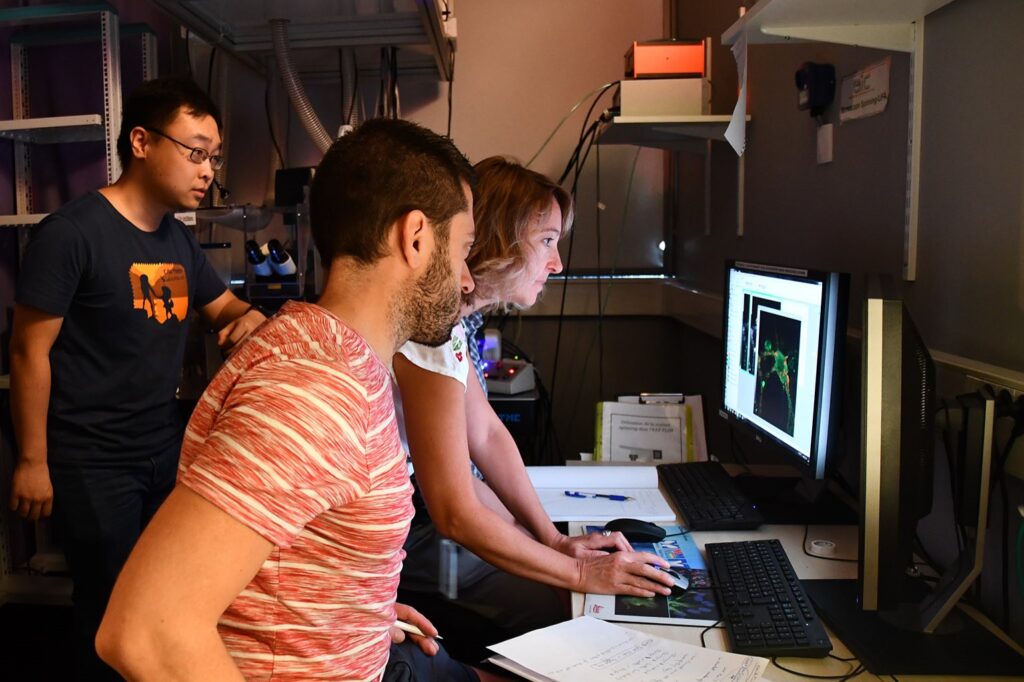
The course includes both lectures by leading scientists in synapse biology, and hands-on training in two projects of about 9 days each, supported by senior scientists. Students (20 maximum) will attend theoretical and methodological lectures during the morning sessions, and spend the afternoon period in the Neuroscience Training Lab at the Neurocampus performing projects in groups of 2-3 students. The training laboratory is dedicated to the course and it is equipped with a wet lab for cellular and molecular biology, cell culture and animal rooms, electrophysiology rigs and behavior set-ups. Students will have access to core facilities at the University of Bordeaux, including to the Bordeaux Imaging Center, the Functional Genomics and the Biochemistry facilities. Support and expertise to carry out the projects is provided by external instructors coming from leading international laboratories in synapse biology, who will be present throughout the duration of the projects and assist students in their experiments (one instructor per group). Students are encouraged to participate in the design of projects, ahead of the course, through interaction with their project instructor. Students are welcome to bring their constructs or models, to be integrated in the project to be conducted. At the end of each project, students will present their findings and discuss with colleagues and instructors. Extracurricular activities (such as panel discussions on ethics, diversity and equity in Neuroscience), outreach activities and social events are also planned.

Course Topics

1. Activity-dependent regulation of gene expression and synapses

2. Local protein synthesis and degradation

3. Trafficking of synaptic proteins

4. Synaptogenesis and synaptic plasticity

5. Extracellular synaptic organizers, synaptic adhesion and circuit specification

6. Synaptic integration in neuronal networks

7. Presynaptic and postsynaptic mechanisms

8. Excitation and inhibition

9. Synaptic dysfunction in diseases

10. Structure-function of synaptic proteins

11. Neuromodulation

12. Human-specific regulations of synapses

microscopy students
DSCF1736 copy

Techniques

  • Super-resolution microscopy (PALM, STORM, DNA PAINT, STED)
  • Synapse-type specific proteomics (FASS)
  • Single-molecule RNA FISH, real-time qPCR
  • Stereotaxic surgery, in utero and single cell electroporation
  • Two photon and confocal microscopy, live imaging
  • FRET measurements for activity sensors
  • In vivo FRAP
  • Whole cell patch clamp recordings
  • Expansion microscopy
  • Electron microscopy
  • Computational analysis
  • Optogenetics
  • Gene editing
  • Behavior

Experimental Projects

  1. Developmental trajectories of long-range GABAergic neurons
  2. Exploration of RNA mechanisms underlying memory formation 
  3. Investigating mechanisms of low-frequency synaptic depression in cultured hippocampal synapses
  4. How shearing forces impact multipartite synapses during synaptosome preparation and sorting 
  5. Visualizing Astrocyte-Neuron and Astrocyte-Synapse Interactions in 3D Using Expansion Microscopy
  6. Imaging extracellular synapse organizers using live and super-resolution microscopy in the nematode Caenorhabditis elegans  
  7. Lighting up neuromodulation: visualizing PKA signaling in hippocampal neurons using a FRET-based imaging approach
  8. Visualizing Activity-dependent Signaling for Synaptic Protein Clearance 
  9. Atomistic modeling of glycosylated synaptic protein structure 
  10. Assessing excitatory and inhibitory synapse development upon in vivo manipulation of gene function in distinct neuronal populations
  11. Impact of local APP amyloidogenic proteolysis on presynaptic function
  12. Analysis of excitatory and inhibitoy synapses in vivo using in utero electropration and stereotaxic injections
  13. Exploring the impact of extracellular matrix complexity in the diffusion of circulating molecules and cell surface proteins
  14. Revealing the role and localization of talin in glutamatergic synapses
  15. Revealing the co-organization of synaptic proteins using SMLM microscopy techniques
  16. Optically controlling synaptic transmission at hippocampal mossy fiber synapses with a bistable inhibitory optoGPCR 

Bordeaux School of Neuroscience, France

The Bordeaux School of Neuroscience is part of Bordeaux Neurocampus, the Neuroscience Department of the University of Bordeaux. Christophe Mulle, its current director, founded it in 2015. Throughout the year, renowned scientists, promising young researchers and many students from any geographical horizon come to the School.
The school works on this principle: training in neuroscience research through experimental practice, within the framework of a real research laboratory.

Facilities
Their dedicated laboratory (500m2), available for about 20 trainees, is equipped with a wet lab, an in vitro and in vivo electrophysiology room, IT facilities, a standard cellular imaging room, an animal facility equipped for behavior studies and surgery and catering/meeting spaces. They also have access to high-level core facilities within the University of Bordeaux. They offer their services to international training teams who wish to organize courses in all fields of neuroscience thanks to a dedicated staff for the full logistics (travels, accommodation, on-site catering, social events) and administration and 2 scientific managers in support of the experimentation.

Registration

Fee : 4 500 € (includes tuition fee, accommodation and meals)

Applications closed

The CAJAL programme offers 4 stipends per course (waived registration fee, not including travel expenses). Please apply through the course online application form. In order to identify candidates in real need of a stipend, any grant applicant is encouraged to first request funds from their lab, institution or government.

Kindly note that if you benefited from a Cajal stipend in the past, you are no longer eligible to receive this kind of funding. However other types of funding (such as partial travel grants from sponsors) might be made available after the participants selection pro- cess, depending on the course.

NeuroAI – Neuroscience and AI

Course overview

Modern deep learning methods provide some of the best tools to model behavior and brain function today. Excitingly, AI systems have become the first artificial models capable of matching human performance in sophisticated cognitive tasks, such as visual recognition, language processing, and strategic planning. This unique capability makes them a key test bed for neuroscience research: by studying how these AI systems solve complex problems, we can generate and test hypotheses about the computational principles that biological brains might use. Moreover, thanks to amazing progress in neuroscientific experimental recording techniques over the last decade, we now have access to vast amounts of complex data, which can be used in computational modeling, across multiple modalities – from neural activity of thousands of neurons, to anatomical details of neuronal circuits, to whole brain neural recordings during complex behavior of humans and animals. These exciting developments—in both AI methodology and neuroscientific recordings—have inspired an emerging area of research at the intersection of neuroscience and AI.
 

The course gives a hands-on introduction to modern AI methods, including deep learning, and how it can be used for analyzing and modeling brain activity and behavior. Experts in the field will teach the basics of AI, and how to use them as models of the brain, cognition, and behavior.
Course Directors

Georg August University Göttingen, Germany

Johns Hopkins University, USA

Max Planck Institute for Software Systems, Germany

HHMI Janelia Research Campus, USA

Course Faculty

Jacob Yates – Berkley, USA
Martin Schrimpf – EPFL, Switzerland
Kevin Miller – Google DeepMind, UK
Patrick Mineault – Amaranth Foundation, USA
Carsen Stringer – HHMI Janelia Research Campus, USA
Chris Summerfield – Oxford University, UK
John Krakauer – Champalimaud, Portugal
Memming Park – Champalimaud, Portugal
Andreas Tolias – Stanford, USA
Jonathan Pillow – Princeton University, USA
Shailee Jain – UC San Fransisco, USA
Rui Ponte Costa, University of Oxford, UK

Instructors

Janne Lappalainen –  University Tübingen, Germany
Farah (Fengtong) Du – HHMI Janelia Research Campus, USA
Mathis Pink – MPI Software Systems, Germany
Manasi Malik – Johns Hopkins University, USA

Course Content

Programme

The first two weeks will consist of full day hands-on lectures and tutorials from introductory to more advanced topics. The third week is reserved for more extensive group research projects.


First week

  • Introduction to NeuroAI and primer on deep learning for computer vision and language
  • Neural network models of vision and calcium imaging
  • Models for neuronal dynamics
  • Data-driven models of visual cortex during active vision
  • Understanding choice behavior using reinforcement learning models

Second week

  • Engineering a less intelligent AI (the fly)
  • System models of vision and language in the primate brain
  • Skill, practice, plasticity, and the cognitive-motor interface
  • Foundation models in neuroscience


Third week

The third week has lectures on more advanced topics. The remainder of the days are focused on project work.

Confirmed talks in the third week are:

  • Learning and generalization in human and neural networks 
  • Engineering a less artificial intelligence

Students will design projects applying machine learning methods to neural recording and behavioral data sets. 

Datasets

We encourage course faculty to bring datasets that can be used for projects. Here are some examples of datasets that will be available for project work

  • Calcium imaging data from mouse primary visual cortex in response to natural images and videos from the SENSORIUM competitions 2022 and 2023
  • Large dataset of human choices on a 4-armed drifting bandit task.
  • Data from foveal V1 of free-viewing marmosets along with continuously monitored gaze. Data from Marmoset retina with the same eye traces.
  • Publicly available data from the Brain-Score benchmark (vision and language). The vision data include non-human and human primate electrophysiology and fMRI recordings spanning the visual ventral stream and associated object recognition behaviors. The language data are human neuroimaging and reading time measurements. Meta-data from thousands of model alignment scores on all of the Brain-Score benchmarks.
  • A dataset with over 29,000 neurons responding to up to 65,000 natural image presentations in mouse V1. The neurons were expressing jGCaMP8s and we recorded their activity using two-photon calcium imaging at a rate of 30Hz.
  • Neuropixels speech dataset comprising spiking activity from >500 single neurons in awake human participants undergoing brain surgery. Neurons were recorded while participants listened to simple English sentences. Associated metadata for each neuron such as its anatomical position along the superior temporal gyrus and cortical depth will also be provided.

Techniques

Through hands on tutorials and project work, students will have the opportunities to learn about computational approaches in NeuroAI such as:

  • Deep learning models for vision and language (CNNs, transformers)
  • Reinforcement learning algorithms
  • State space models for neuronal time series
  • Machine learning for biophysical models of neuronal circuits

Champalimaud Centre for the Unknown, Portugal

The Champalimaud Foundation is a private, non-profit organization, established in 2005 and dedicated to research excellence in biomedical science. Completed in 2010, the Champalimaud Centre for the Unknown is a state-of-the-art centre that houses the Champalimaud Clinical Centre and the Champalimaud Research, with its three parallel programs – the Champalimaud Neuroscience Programme, the Physiology and Cancer Programme, and the Experimental Clinical Research Programme.
Initially focused on a system and circuit approach to brain function and behavior, the Centre expanded to incorporate molecular and cell biological expertise. The Centre comprises 26 research groups (circa 400 researchers) leading independent curiosity-based research.

Facilities
The Centre provides Facilities dedicated for Training, some in their entirety, for use by the CAJAL Advanced Neuroscience Training Programme. These include the Teaching Laboratory, a fully equipped open lab space for 20-30 students that can be dynamically reconfigured to support a full range of neuroscience courses. It also overlooks, via floor to ceiling windows, a tropical garden and the river. The experimental spaces include: Imaging Lab: A dark-room containing a full size optical table is used for advanced imaging setups (two-photon microscopy, SPIM, etc.) and custom (course-designed) optical systems.

Registration

Fee : 3 500 €  (includes tuition fee, accommodation and meals)

Applications are closed.

The CAJAL programme offers 4 stipends per course (waived registration fee, not including travel expenses). Please apply through the course online application form. In order to identify candidates in real need of a stipend, any grant applicant is encouraged to first request funds from their lab, institution or government.

Kindly note that if you benefited from a Cajal stipend in the past, you are no longer eligible to receive this kind of funding. However other types of funding (such as partial travel grants from sponsors) might be made available after the participants selection pro- cess, depending on the course.

Sponsors