Category Archives: On Site

Display this course using the On-Site template (blue)

Machine learning for neuroscience

Course overview

Neuroscience has played an important role in the history of Artificial intelligence and Machine learning. Artificial neural networks are inspired by neuronal physiology and are today the core of Deep Learning. This common history continues today. Machine Learning methods are developed into tools that allow for a higher quality of data processing in the study of animal behavior and brain activity. Machine Learning is also used to model the brain as it can solve similar problems to what brains solve and the basic units of processing may be comparable.

The course gives a hands-on introduction to Artificial Intelligence and Machine Learning and how it can be used for data acquisition, analysis and modeling brain activity and behavior. Experts in the field will teach the basics of Machine Learning and how to apply it to Neuroscience and will also discuss the limits of the field, and what are the boundaries of application and how Neuroscience and Psychology could inform new systems.

Course directors
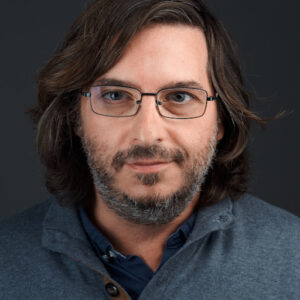
Gonzalo de Polavieja

Course Director

Champalimaud Foundation, PT
Kristin Branson

Course Director

HHMI Janelia, USA
Il Memming Park

Course Director

Champalimaud Foundation, PT

Keynote Speakers

Ann Kennedy – Northwestern University, US
N. Alex Cayco Gajic – École Normale Supérieure, France
Ben Cowley – Cold Spring Harbor, US
Kim Stachenfeld – DeepMind, UK
Jennifer Sun Caltech, US
Josue Nassar – Stony Brook University, US
Laura Driscoll – Stanford University, US
Maneesh Sahani Gatsby Computational Neuroscience Unit, UK
Nakul Verma – Columbia University, US
Patrick Mineault – xcorr, Canada
Rui Ponte Costa – University of Oxford, UK
Sara Solla – Northwestern University, US
Surya Ganguli Stanford University, US

Instructors

Course content

Programme

During the first two weeks, there will be lectures in the morning, and evening tutorials will consist of analytical and computational application of the concepts learned in the morning. The third week consists of lectures in the mornings and projects in the evening.

First week

The first week will consist of a mini-course in Machine Learning, especially those techniques used in Neuroscience. This will include supervised and unsupervised learning, learning for time series and Reinforcement Learning, as well as a day dedicated to practical aspects in the use of Machine Learning Techniques.

Day 1: History of AI and the relationship between Machine Learning and Neuroscience
Day 2: Supervised Learning
Day 3: Unsupervised Learning
Day 4: Practical consideration of the use of Machine Learning
Day 5: Learning for Time Series
Day 6: Reinforcement Learning

Second Week

The second week discusses how Machine Learning techniques are applied in Neuroscience. This will include the Machine Learning tools used to extract information from datasets of animal behavior and brain activity, Machine Learning models from brain activity and behavior, models using spiking neural networks and which are the limits ofML techniques.

Day 7: ML tools in animal behavior
Day 8: ML tools in brain activity
Day 9: Models derived from the brain and behavior
Day 10: ML-based models of the brain & discrepancies
Day 11: Theory-based modeling, and its connection to ML
Day 12: Bio-inspired ML/spiking networks

Third week

The third week has lectures on more advanced topics and evenings on projects.

Students will design projects applying machine learning (ML) methods to neural recording and animal behavior data sets. Neural recording data sets provided will be from a variety of techniques, including electrophysiology, calcium imaging, and fMRI. Behavior data sets provided will be from video. Students may focus on developing new ML algorithms for improving automated tracking, segmentation, categorization, or representation learning. Alternatively, they may focus on applying these ML methods to large data sets to discover new biological insights. A third option is to explore ML-based computational models of neural activity or behavior. Through these projects, students will gain hands-on experience using modern ML approaches, coding in PyTorch, and gain a deeper understanding of the power and potential failures of ML.

Datasets

Behavioral Datasets

  • Fish Fish in groups, raw and tracked
  • Some rodents and ants, raw and tracked
  • Flies data from Maabe and other datasets.

Neural Datasets (spike trains)

  • Neural Latent Benchmark ones
  • Neuromatch ones (e.g. Steinmetz)
  • Brain machine interface related datasets
  • IBL datasets

Other Neural Datasets ( LFP, fMRI, etc)

Computational models (not datasets but used as input for further analysis or modeling)

  • RNNs trained on tasks
  • Models trained on fish in collectives
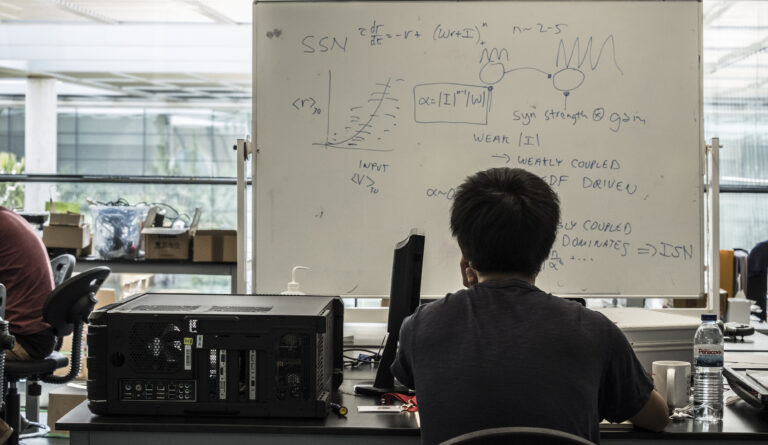
Techniques

  • Deep learning tools for analyzing complex behavior data

  • Neural manifolds

  • Modeling neural computation with recurrent neural networks

  • State space modeling of neural time series

  • Probabilistic modeling of neural data and behavior

  • Deep learning models of brain activity and behavior

  • Spiking neural networks

  • Best practices for high quality neuroscience research using machine learning
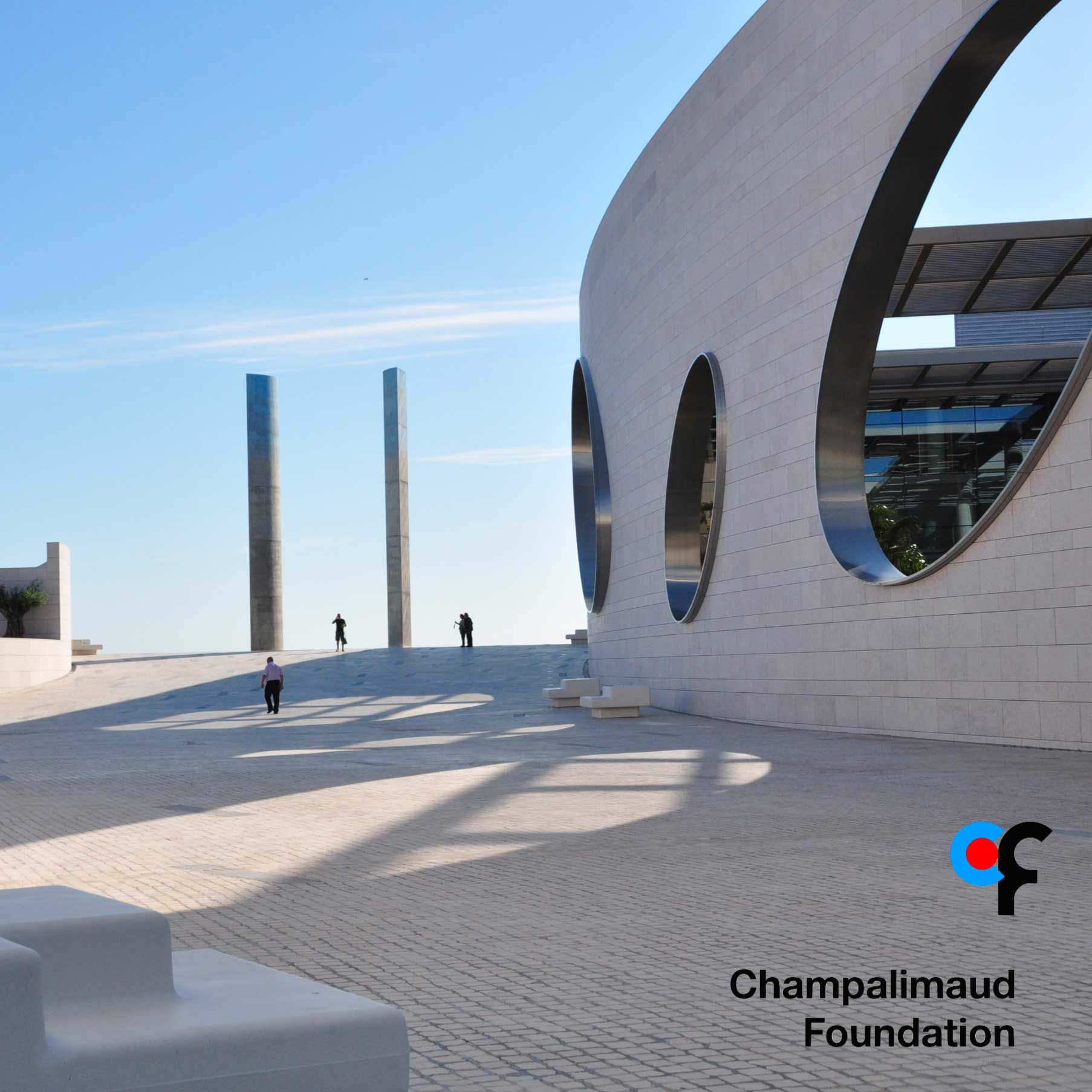
Champalimaud Centre for the Unknown, Portugal

The Champalimaud Foundation is a private, non-profit organization, established in 2005 and dedicated to research excellence in biomedical science. Completed in 2010, the Champalimaud Centre for the Unknown is a state-of-the-art centre that houses the Champalimaud Clinical Centre and the Champalimaud Research, with its three parallel programs – the Champalimaud Neuroscience Programme, the Physiology and Cancer Programme, and the Experimental Clinical Research Programme.
Initially focused on a system and circuit approach to brain function and behavior, the Centre expanded to incorporate molecular and cell biological expertise. The Centre comprises 26 research groups (circa 400 researchers) leading independent curiosity-based research.

Facilities
The Centre provides Facilities dedicated for Training, some in their entirety, for use by the CAJAL Advanced Neuroscience Training Programme. These include the Teaching Laboratory, a fully equipped open lab space for 20-30 students that can be dynamically reconfigured to support a full range of neuroscience courses. It also overlooks, via floor to ceiling windows, a tropical garden and the river. The experimental spaces include: Imaging Lab: A dark-room containing a full size optical table is used for advanced imaging setups (two-photon microscopy, SPIM, etc.) and custom (course-designed) optical systems.

Registration

Fee : €2.950,00  (includes tuition fee, accommodation and meals)

Applications closed on 23rd January 2023

The CAJAL programme offers 4 stipends per course (waived registration fee, not including travel expenses). Please apply through the course online application form. In order to identify candidates in real need of a stipend, any grant applicant is encouraged to first request funds from their lab, institution or government.

Kindly note that if you benefited from a Cajal stipend in the past, you are no longer eligible to receive this kind of funding. However other types of funding (such as partial travel grants from sponsors) might be made available after the participants selection pro- cess, depending on the course.

Sponsors
Connectomics from micro- to meso- and macro-scales

Course overview

The biological factors shaping the synaptic connectivity of neuronal circuits are complex and multifaceted, depending on cell types, functional activity, homeostasis, and more. Mapping brain wiring at the level of both local circuits and across brain-wide projections is a key aspect of understanding how nervous systems develop, learn, process information and generate behaviour. Recent advances in molecular biology, tissue processing, computational methods, and microscopy have enabled a revolution in understanding structural connectivity with cellular and synaptic resolution. Large-scale electron microscopy volumes provide nanometer-scale maps of anatomy and connectivity of whole invertebrate brains and millimetre-scale regions of vertebrate brains, while light-microscopic methods can highlight genetically defined connections and enable brain-wide reconstruction of neurons.  Together, these complementary approaches yield powerful insight into the neuroanatomy and connectivity of the nervous system with single-cell resolution.

This course will provide students with a broad introduction to contemporary methods of studying neuronal connectivity with lectures from experts in the field. It also provides practical project-based instruction in experimental methods of circuit tracing and reconstruction with light microscopy (light sheet or 2-photon), as well as the computational analysis of rich electron microscopy connectomes in flies and mice. Students will consider the strengths and limitations of different techniques and how they can be used to address key problems in circuit neuroscience.

Course directors

Gregory Jefferis

Course Director

MRC LMB and University of Cambridge, UK

Jinny Kim

Course Director

Korea Institute of Science and Technology, Korea

Nicolas Renier

Course Director

Paris Brain Institute, France

Casey Schneider-Mizell

Course Director

Allen Institute of Brain Science, US

Keynote Speakers

Jae-Byum Chang – KAIST, South Korea
Christel Genoud – University of Lausanne, Switzerland
Moritz Hemlstaedter – Max Plank Institute for Brain Research, Germany
Valentin Nägerl – University of Bordeaux, France
Alexandra Pacureanu – European Synchrotron Radiation Facility, France
Hiroki Ueda – Laboratory for Synthetic Biology, Japan
Claire Wyart – ICM Institute for Brain and Spinal Cord, France
Johannes Kohl – The Crick Institute, UK
Constantin Pape – University of Göttingen

Instructors / Teaching Assistants

Alba Vieites Prado – Universitad de Santiago de Compostela
Andrew Champion – Cambridge University, UK
Fabian Voigt – Harvard University, USA
In Cho – KAIST, Korean Advance Institute of Science and Technology, Korea
Jihyun Kim – KIST, Korean Institute of Science and Technology, Korea
Jordan Girard – université de Bordeaux
Katharina Eichler – Leipzig University, Germany
Leila Elabbady – University of Washington.
Martin Carbo-Tano – Paris Brain Institute, France
Philipp Schlegel – University of Cambridge, UK
Sahil Loomba – Max Planck Institute for Brain Research, Germany
Thomas Topilko – Gubra, Inc
Yagmur Yenner – Max Planck Institute for Brain Research, Germany
Yulia Dembitskaia – Université de Bordeaux

Course content

Light Microscopy and functional, molecular methods:

– Choice of labelling strategy: use of specific cre lines (for instance, the GENSAT project); finding specific markers for cell populations; using viral vectors and intersectional genetics (Dual or triple injections, transsynaptic tracing, Tango system, mGRASP, etc.).

– Tissue preparation for imaging: tissue clearing: choice of methods, considerations for the resolution needed and type of molecular labelling (Ueda, Renier); expansion microscopy methods: when to use them, and which iteration (Jae-Byum Chang)

Imaging strategy: use of scanning microscopes: confocal or 2p, in intact samples or using serial sectioning; use of light sheet microscopy: commercial systems (eg. Miltenyi’s Blaze or Zeiss Z7), and custom systems (Mesospim).

Analysis of imaging data: use of neuron mapping pipelines for whole brain data obtained from light sheet microscopy or from sections (eg. ClearMap, TrailMap, WholeBrain, etc). (Ueda, Renier); se of virtual reality-assisted tools for single neuron reconstructions from 3D datasets (eg. SyGlass, Vision4D…).

Electron microscopy synaptic connectomics:

At the end of this course, the students will be familiar with all of the steps that go into producing and analysing large scale, synaptic resolution EM connectomics datasets, summarised as below. Detailed analysis projects tailored by student interest will use public datasets and open source tools in which their directors and their colleagues are experts. These include the microns mouse cortical cubic millimetre dataset (https://www.microns-explorer.org/) and fly CNS datasets including the hemibrain, flywire.


Techniques

  • EM imaging for connectomics (theory, image analysis)
  • X-ray imaging for connectomics (theory, image analysis)
  • EM connectomics data analysis (detailed hands on coverage for latest public whole brain fly and mouse cortex datasets; other organisms pending)
  • In vivo calcium imaging
  • In vivo 2-photon microscopy
  • Light sheet microscopy
  • Tissue Clearing
  • Expansion Microscopy
  • Brain mapping of cleared tissue (image analysis, commercial and academic softwares)

Projects

  1. Mapping of axonal projections with light sheet microscopy in the mouse brain
  2. Assembly of a Mesospim microscope for whole brain mapping with tissue clearing
  3. Brain mapping of cellular markers with HCR-fish, tissue clearing and light sheet microscopy
  4.  In vivo recording of activity and connectivity in the Zebrafish larva
  5. Inference of information flow in Zebrafish larva using calcium imaging and Granger Causality
  6. Microscale connectomic analysis of mammalian connectomics data
  7. Morphological and connectivity analysis of the MICrONs mouse visual cortex dataset
  8. Student interest-led project(s) leveraging public mammalian connectomics data
  9. Whole brain circuit analysis using larval / adult Drosophila connectomes
  10. Student interest-led projects using public Drosophila connectomes
  11. Comparative connectomics: within species using multiple Drosophila datasets or across evolution using multiple public EM connectomes.

Bordeaux School of Neuroscience, France

The Bordeaux School of Neuroscience is part of Bordeaux Neurocampus, the Neuroscience Department of the University of Bordeaux. Christophe Mulle, its current director, founded it in 2015. Throughout the year, renowned scientists, promising young researchers and many students from any geographical horizon come to the School.
The school works on this principle: training in neuroscience research through experimental practice, within the framework of a real research laboratory.

Facilities
Their dedicated laboratory (500m2), available for about 20 trainees, is equipped with a wet lab, an in vitro and in vivo electrophysiology room, IT facilities, a standard cellular imaging room, an animal facility equipped for behavior studies and surgery and catering/meeting spaces. They also have access to high-level core facilities within the University of Bordeaux. They offer their services to international training teams who wish to organize courses in all fields of neuroscience thanks to a dedicated staff for the full logistics (travels, accommodation, on-site catering, social events) and administration and 2 scientific managers in support of the experimentation.

Registration

Fee : 3.950 € (includes tuition fee, accommodation and meals)

Applications closed 17 April 2023

The CAJAL programme offers 4 stipends per course (waived registration fee, not including travel expenses). Please apply through the course online application form. In order to identify candidates in real need of a stipend, any grant applicant is encouraged to first request funds from their lab, institution or government.

Kindly note that if you benefited from a Cajal stipend in the past, you are no longer eligible to receive this kind of funding. However other types of funding (such as partial travel grants from sponsors) might be made available after the participants selection pro- cess, depending on the course.

Advanced techniques for synapse biology

Course overview

Synapses are sites of information transfer and storage in the brain. These specialised structures integrate complex signals and undergo functional changes that underlie the formation of memories. Synaptic dysfunction is associated with early stages of neurodegenerative disorders such as Alzheimer’s disease, and underlies neurodevelopmental disorders such as autism spectrum disorders and intellectual disability. 

Studying synapse function and plasticity is key to understanding brain circuits that underlie behaviour, and to identify synaptic malfunction mechanisms underpinning brain diseases. This course will allow students to integrate theoretical and methodological concepts on synapse biology with hands-on experience on state-of-the art imaging, functional and computational methodologies. The course provides an in-depth understanding to many concepts such as synapse formation and maintenance, pre- and postsynaptic mechanisms, structural and functional synaptic plasticity, synaptic integration in neuronal networks and synaptopathies. Hands-on experimental projects conducted in small groups with the support of senior scientists will expose the students to methodologies at the forefront of research in this field.


Course directors

Ana Luisa Carvalho

Course Director

CNC-Center for Neuroscience and Cell Biology, University of Coimbra, Portugal

Mathieu Letellier

Course Director

IINS, University of Bordeaux, France

Hey-Kyoung Lee

Course Director

The Zanvyl Krieger Mind/Brain Institute, The Johns Hopkins University, USA

Keynote Speakers

Alfredo Kirkwood – Johns Hopkins University, USA
Brian D McCabe – EPFL, Lausanne, Switzerland
Cécile Charrier – Institute of Biology, École Normale Supérieure, France
Christian Lohmann – Netherlands Institute for Neuroscience, Netherlands
Daniel Choquet – IINS, University of Bordeaux, France
Joseph Kittler – University College London, UK
Juan Burrone – King’s College London, UK
Julie Perroy – IGF, University of Montpellier, France
Julijana Gjorgjieva – Max Planck Institute for Brain Research, Germany
Marina Mikhaylova – Humboldt Universität zu Berlin, Germany
Nael Nadif Kasri – Radboudumc Donders Institute for Brain, Cognition and Behaviour, Holland
Noa Lipstein – FMP-Berlin, Germany
Rosa Paolicelli – University of Lausanne, Switzerland

Instructors

Alexy Louis – IINS, Univ of Bordeaux, France

Anne-Claire Compagnion – Univ. Lausanne, Switzerland

Elena Baz-Badillo – IINS, Univ Bordeaux, France

Frederic Gambino – IINS, Univ Bordeaux, France

Joana Ferreira – CNC, Univ Coimbra, Portugal

Julia Bär – Humboldt Universität zu Berlin, Germany

Julien Dupuis – IINS, Univ Bordeaux, France

Kevin Crosby – University of Colorado Denver, Department of Pharmacology, USA

Léa Sarzynski – IINS, Univ Bordeaux, France

Lucille Alonso – IINS, Univ Bordeaux, France

Luís Ribeiro – CNC, Univ Coimbra, Portugal

Margaux Giraudet – IINS, Univ Bordeaux, France

Marie-Lise Jobin – IINS, Univ Bordeaux, France

Marina Hommersom – Radboudumc Donders Institute for Brain, Cognition and Behaviour, Holland

Michelle BridiWest Virginia University, USA

Mónica Santos – CNC, Univ Coimbra, Portugal

Olivier Nicole – IINS, Univ Bordeaux, France

Tamara Buijs – Netherlands Institute for Neuroscience, Netherlands

Vivek Belapurkar – IINS, Univ Bordeaux, France

Course content

Exposure to central topics in synapse biology, and hands-on experience with exciting projects with innovative techniques

The research in synapse biology holds a central place in Neuroscience, as it connects findings in molecular and cellular Neuroscience to the understanding of circuits and behaviour. In addition, synaptopathy is a major pathogenic mechanism in both neuropsychiatric and neurodegenerative disorders. The last decades have brought enormous advances in the methodologies used to study synapses, and which endow researchers with the possibility to bridge from the molecular analyses of synapses to cellular, circuits and behaviour approaches to tackle central questions about how the brain works. 


This course provides the opportunity to learn from experts in the field about questions at the forefront of synapse biology, and to obtain hands-on experience with innovative techniques to study synapses. These include gene transfer, live imaging of proteins and signalling molecules (including in vivo 2 photon microscopy), superresolution microscopy for cellular imaging of proteins at excitatory and inhibitory synapses, electrophysiology, animal behaviour and computational methods. 

Topics

  1. Synaptic traficking
  2. Synaptogenesis, synapse adhesion and synapse maintenance
  3. Presynaptic mechanisms
  4. Inhibitory synapses
  5. Structural and functional synaptic plasticity
  6. Synaptic integration in neuronal networks
  7. Calcium dynamics and signaling
  8. Microglia in the shaping of neural circuits
  9. Synaptic dysfunction in disease
  10. Synaptic computation 
microscopy students

Course format

Three weeks of intensive training, with students in the lead, supported by senior scientists


The course includes both lectures by leading scientists in synapse biology, and hands-on training in two projects of about 9 days each, supported by senior scientists. Students (20 maximum) will attend theoretical and methodological lectures during the morning sessions, and spend the afternoon period in the Neuroscience Training Lab at the Neurocampus performing projects in groups of 2-3 students. The training laboratory is dedicated to the course and it is equipped with a wet lab for cellular and molecular biology, cell culture and animal rooms, electrophysiology rigs and behavior set-ups. Students will have access to core facilities at the University of Bordeaux, including to the Bordeaux Imaging Center, the Functional Genomics and the Biochemistry facilities. Support and expertise to carry out the projects is provided by external instructors coming from leading international laboratories in synapse biology, who will be present throughout the duration of the projects and assist students in their experiments (one instructor per group). Students are encouraged to participate in the design of projects, ahead of the course, through interaction with their project instructor. Students are welcome to bring their constructs or models, to be integrated in the project to be conducted. At the end of each project, students will present their findings and discuss with colleagues and instructors. Extracurricular activities (such as panel discussions on ethics, diversity and equity in Neuroscience), outreach activities and social events are also planned.

Techniques

  • Whole cell patch clamp recordings in brain slices
  • Patch-seq / RNAseq
  • Co-culture synaptogenic assay
  • Synaptic interactome analysis through proximity-dependent labeling
  • Stereotaxic surgery with cannulae implantation
  • Behavior analysis
  • Confocal time-lapse imaging and FRAP measurements
  • FLIM-FRET measurements for activity sensors
  • Single-molecule tracking and PALM studies
  • Direct stochastic optical reconstruction microscopy (dSTORM)
  • hiPSC culturing and neuronal differentiation
  • MEA recording: Axion Maestro Pro
  • Two photon imaging
 

Experimental projects:

  • Nanoscale organization of the synapse
  • Superresolution microscopy in the analysis of transsynaptic interactions
  • Interactome of synaptic cell-adhesion molecules
  • Architectural and signalling dynamics at the inhibitory synapse
  • Regulation of inhibitory synaptic transmission by wake-active neuromodulators
  • Measuring spontaneous network activity of human iPSC-derived neurons using micro-electrode arrays
  • Microglia-mediated synapse engulfment
  • Membrane trafficking/endo/exocytosis
  • In vivo imaging of boutons related to behavior
  • Pharmacological modulation of fear extinction
  • Mitochondrial dynamics and dendritic calcium imaging
  • Multimodal profiling of synaptic connectivity through patch-seq
 

Bordeaux School of Neuroscience, France

The Bordeaux School of Neuroscience is part of Bordeaux Neurocampus, the Neuroscience Department of the University of Bordeaux. Christophe Mulle, its current director, founded it in 2015. Throughout the year, renowned scientists, promising young researchers and many students from any geographical horizon come to the School.
The school works on this principle: training in neuroscience research through experimental practice, within the framework of a real research laboratory.

Facilities
Their dedicated laboratory (500m2), available for about 20 trainees, is equipped with a wet lab, an in vitro and in vivo electrophysiology room, IT facilities, a standard cellular imaging room, an animal facility equipped for behavior studies and surgery and catering/meeting spaces. They also have access to high-level core facilities within the University of Bordeaux. They offer their services to international training teams who wish to organize courses in all fields of neuroscience thanks to a dedicated staff for the full logistics (travels, accommodation, on-site catering, social events) and administration and 2 scientific managers in support of the experimentation.

Registration

Fee : 3.950 € (includes tuition fee, accommodation and meals)

Applications closed 29 May 2023

The CAJAL programme offers 4 stipends per course (waived registration fee, not including travel expenses). Please apply through the course online application form. In order to identify candidates in real need of a stipend, any grant applicant is encouraged to first request funds from their lab, institution or government.

Kindly note that if you benefited from a Cajal stipend in the past, you are no longer eligible to receive this kind of funding. However other types of funding (such as partial travel grants from sponsors) might be made available after the participants selection pro- cess, depending on the course.

Machine Learning/Articfical intelligence course

Course overview

Quantitative studies of behaviour are fundamental in our effort to understand brain function and malfunction. Recently, the techniques for studying behaviour, along with those for monitoring and manipulating neural activity, have progressed rapidly. This course provides promising young scientists with a comprehensive introduction to state-of-the-art techniques in quantitative behavioural methods. This course’s content is complementary to other summer courses that focus on measuring and manipulation neurophysiological processes.

Our focus is on methodologies to acquire rich data representations of behavior, dissect them statistically, model their dynamics, and integrate behavioral measurements with other kinds of neurobiological data. To this end, students will 1) fabricate devices for recording the behavior experimental organisms, 2) learn, under the guidance of the scientists developing these methods, the modern tools to analyze behavioral data from these organisms, and 3) in a week-long independent project develop and conduct a behavioral study of their own design, with the support and guidance of the course instructors and teaching assistants.

This 3-week course is a practical “hands-on” introduction to advanced methods in behavioural tracking and analysis. Our educational goal is to cover sufficient background such that all participants will be able to establish these techniques in their home laboratories.

In the pedagogical portion of the course (blocks 1 and 2, see below) we will use two main experimental model systems: flies (Drosophila melanogaster) and zebrafish (Danio rerio). Several days of instruction will focus on analysis of video data, and on these days, students may use videos of flies and fish, videos we provide of mammals behaving, or videos of their own organism of choice. In the student project portion of the course (block 3), students may use these experimental organisms, as well as, subject to their availability, organisms in use at the Champalimaud.

We will cover data acquisition (software, hardware, tools), preprocessing (single animal, body parts and multiple animals tracking systems), data analysis (clustering, ethograms) and modeling.

Course directors

Gordon Berman

Course Director

Emory University, USA

Benjamin de Bivort

Course Director

Harvard University, USA

Champalimaud Foundation, Portugal

Orit Peleg

Course Director

University of Colorado, USA

Greg Stephens

Course Director

VU University Amsterdam, The Netherlands
OIST Graduate University, Japan

Keynote speakers

Sama Ahmed, University of Washington, USA
Kristin Branson – hhmi, Janelia Research Campus, USA
Bing BruntonUniversity of Washington, USA
António C. Costa, Ecole Normale Supérieure de Paris, France
Serena Ding – Max Planck Institute of Animal Behavior, Germany
Giorgio Gilestro – Imperial College London, UK
Alex Jordan – Max Planck Institute of Animal Behavior, Germany
Ilona Kadow – Technical University of Munich, Germany
Ann Kennedy – Northwestern University, USA
Natasha Mhatre Western University, Canada
Mala Murthy, Princeton University, USA
Ilya Nemenman – Emory University, USA
Talmo Pereira – Salk Institute for Biological Studies, USA 
Sam Reiter – Okinawa Institute of Science and Technology, Japan
Barbara Webb – University of Edinburgh, UK

Instructors

Tosif Ahamed – Mount Sinai Hospital, Toronto, Canada
Jake GravingMax Planck Institute of Animal Behavior, Germany
Kanishk JainEmory University, USA
Ugne Klibaite – Center for Brain Science, Harvard University, USA
Chantal Nguyen – BioFrontiers Institute, University of Colorado Boulder, USA
Denise Yoon, Harvard University, USA
Adrien Jouary, Champalimaud Foundation, Portugal
Dean Rance, Champalimaud Foundation, Portugal
Francisco Romero, Veriff, Spain
Bruno Cruz, NeuroGEARS, UK

Course content

Projects

Projects from previous years:

  • The role of visual cues in social behaviour in flies;
  • Social learning in Drosophila melanogaster;
  • Mapping the behavioural repertoire of zebrafish larvae in response to tastants and neuroactive compounds;
  • Slfish: characterizing the collective behavior of larval zebrafish following acute social isolation;
  • Skinner’s flies: inducing superstitious microbehaviors via random operant rewards;
  • The role of lateralized latency asymmetry in virtual task performance;

Ideas for projects for the upcoming course:

  • Manifolds in dynamical representations of behavior;
  • Deep attention models of collective fish behavior;
  • Modelling behavior with different tradeoffs of accuracy and complexity using symbolic regression;
  • Unsupervised discovery of motifs in rodent vocalizations.
QAB 2

For more information on the course programme, you can visit the past course website.

Champalimaud Centre for the Unknown, Portugal

The Champalimaud Foundation is a private, non-profit organization, established in 2005 and dedicated to research excellence in biomedical science. Completed in 2010, the Champalimaud Centre for the Unknown is a state-of-the-art centre that houses the Champalimaud Clinical Centre and the Champalimaud Research, with its three parallel programs – the Champalimaud Neuroscience Programme, the Physiology and Cancer Programme, and the Experimental Clinical Research Programme.
Initially focused on a system and circuit approach to brain function and behavior, the Centre expanded to incorporate molecular and cell biological expertise. The Centre comprises 26 research groups (circa 400 researchers) leading independent curiosity-based research.

Facilities
The Centre provides Facilities dedicated for Training, some in their entirety, for use by the CAJAL Advanced Neuroscience Training Programme. These include the Teaching Laboratory, a fully equipped open lab space for 20-30 students that can be dynamically reconfigured to support a full range of neuroscience courses. It also overlooks, via floor to ceiling windows, a tropical garden and the river. The experimental spaces include: Imaging Lab: A dark-room containing a full size optical table is used for advanced imaging setups (two-photon microscopy, SPIM, etc.) and custom (course-designed) optical systems.

Registration

Fee : 3.500 € (includes tuition fee, accommodation and meals)

Applications closed on 20th December 2021

The CAJAL programme offers 4 stipends per course (waived registration fee, not including travel expenses). Please apply through the course online application form. In order to identify candidates in real need of a stipend, any grant applicant is encouraged to first request funds from their lab, institution or government.

Kindly note that if you benefited from a Cajal stipend in the past, you are no longer eligible to receive this kind of funding. However other types of funding (such as partial travel grants from sponsors) might be made available after the participants selection pro- cess, depending on the course.

Bioenergetics for Brain Function

Course overview

The brain is one of the most energy-consuming organs of the body. Indeed, one could say that the main difference between the brain and a computer is the plug: once plugged, energy is not an issue for the computer, but it is a constant burden for each cell of the brain. As such, energy metabolism in the brain is not just a mere housekeeping and survival service, but it constitutes an essential element directly participating in signaling, computation and behavior.

This course will address the different ways by which energy metabolism participates to high-order brain functions and the underlying cellular, molecular and circuit mechanisms. 

Course directors

Juan Pedro Bolaños

Course director

University of Salamanca,

Spain

NeuroCentre Magendie – INSERM
University of Bordeaux
France

Centre RMSB – CNRS
University of Bordeaux
France

Keynote Speakers

Felipe Barros – Centro de Estudios Cientificos, Valdivia, Chile
Juan Pedro Bolaños – University of Salamanca, Spain
Gilles Bonvento – CNRS, MIRCen, Paris, France
Anne-Karine Bouzier-Sore – CNRS, Centre RMSB, Bordeaux, France
Daniela CotaINSERM, Neurocentre Magendie, Bordeaux, France
Jaime De Juan-Sanz – Institut du Cerveau, Paris, France
Stephanie Fulton – University of Montreal, Canada
Ralf Jockers – Inserm, Institut Cochin, Paris, France
Giovanni Marsicano – INSERM, Neurocentre Magendie, Bordeaux, France
Aude Panatier – INSERM, Neurocentre Magendie, Bordeaux, France
Luc Pellerin – IRTOMIT, Poitiers, France
Carmen Sandi – EPFL, Lausanne, Switzerland

Instructors

Felipe Baeza-Lehnert – University of Leipzig, Germany + Centro de Estudios Científicos, Valdivia, Chile
Jerome Baufreton – University of Bordeaux, France
Luigi Bellocchio – University of Bordeaux, France
Giovanni Bénard – MRGM Laboratoty, Bordeaux, France
Abel Eraso Pichot – University of Bordeaux, France
Ignacio Fernandez-Moncada – University of Bordeaux, France
Marina Garcia Macia – University of Salamanca, Spain
Anna Hadjichambi – Institute of Hepathology, London, UK
Morgane Jego – University of Bordeaux, France
Daniel Jimenez – University of Salamanca, Spain
Christos Konstantinou – Institute of Hepathology, London, UK
Rodrigo Lerchundi – MIRCen, CNRS, Paris, France
Shingo Nakajima – University of Montreal, Canada
Antonio Pagano-Zottola – Institut de Biochimie Génétique et Cellulaires, Bordeaux, France
Sandrine Pouvreau – University of Bordeaux, France
Rubén Quintana-Cabrera – University of Salamanca, Spain

Course content

Topics & Techniques

The following techniques will be covered during the course:

  1. Cultures of mouse primary astrocytes and neurons.
  2. Bioenergetic profiles in mouse primary astrocytes and neurons using the Seahorse equipment.
  3. Isolation of neurons and astrocytes from adult mice using immunomagnetic approach.
  4. Flow cytometric analysis of mitochondrial membrane potential and mitochondrial ROS production in cultured primary brain cells and in acute immunomagnetically isolated brain cells.
  5. Purification of mitochondrial fraction using differential centrifugation and immunomagnetic mitochondrial isolation approach.
  6. Analysis of the mitochondrial respiratory chain organization using blue native gel electrophoresis from mitochondria isolated from either cultured cells, acutely isolated brain cells and brain-specific regions.
  7. Study of real-time changes in mitochondrial membrane potential using confocal microscopy in cells expressing genetic ATP and ROS probes.
  8. Classical techniques for the determination of common energy metabolites and enzyme activities in including the MRC complexes
  9. Glucose and lactate metabolism in neurons: comparison of [1-13C]glucose and [3-13C]lactate metabolism in neuronal cultures, followed by 13C-NMR spectroscopy.
  10. Glucose and lactate metabolism in astrocytes : comparison of [1-13C]glucose and [3-13C]lactate metabolism in astrocytic cultures, followed by 13C-NMR spectroscopy.
  11. Metabolic changes during brain activity: in vivo functional MRI and MRS during whisker stimulation: visualisation of the barrel cortex and quantification of the lactate increase during brain activity in rat
  12. Impact of metabolism for neuroprotection: longitudinal study (diffusion MRI) to follow brain lesions and regression following different injected substrates (pyruvate, glucose, lactate etc…)
  13. Electrophysiology of hippocampal and cortical slices: comparison of population spike amplitudes and duration of activity with different substrates (glucose, ketone bodies, lactate, glucose+lactate…)
  14. Analysis of mitochondrial respiration in ex vivo brain areas using the Oroboros technology
  15. Mitochondrial calcium analysis by in vitro and in vivo imaging using Fiber photometry
  16. Use of metabolic biosensors by in vitro and in vivo imaging using Fiber photometry
  17. Impact of modulation of brain mitochondrial metabolism on behavior in mouse
  18. Investigation of mitochondrial proteins trafficking using unconventional genetic tools
  19. Impact of brain mitochondrial activity on whole-body energy balance.

Bordeaux School of Neuroscience, France

The Bordeaux School of Neuroscience is part of Bordeaux Neurocampus, the Neuroscience Department of the University of Bordeaux. Christophe Mulle, its current director, founded it in 2015. Throughout the year, renowned scientists, promising young researchers and many students from any geographical horizon come to the School.
The school works on this principle: training in neuroscience research through experimental practice, within the framework of a real research laboratory.

Facilities
Their dedicated laboratory (500m2), available for about 20 trainees, is equipped with a wet lab, an in vitro and in vivo electrophysiology room, IT facilities, a standard cellular imaging room, an animal facility equipped for behavior studies and surgery and catering/meeting spaces. They also have access to high-level core facilities within the University of Bordeaux. They offer their services to international training teams who wish to organize courses in all fields of neuroscience thanks to a dedicated staff for the full logistics (travels, accommodation, on-site catering, social events) and administration and 2 scientific managers in support of the experimentation.

Registration

Fee : 3.500 € (includes tuition fee, accommodation and meals)

Application closed on 1 March 2021

The CAJAL programme offers 4 stipends per course (waived registration fee, not including travel expenses). Please apply through the course online application form. In order to identify candidates in real need of a stipend, any grant applicant is encouraged to first request funds from their lab, institution or government.

Kindly note that if you benefited from a Cajal stipend in the past, you are no longer eligible to receive this kind of funding. However other types of funding (such as partial travel grants from sponsors) might be made available after the participants selection pro- cess, depending on the course.

COVID-19 update: in case the Bioenergetics for Brain Function course is postponed due to the pandemic, all applicants will have the choice to maintain their application or cancel it. Applicants who were already selected to attend will not have to reapply and will automatically be enrolled in the rescheduled course.

In addition, the Cajal Programme will not, as far as possible, request the registration fee from selected applicants until the course has been secured and confirmed. Nevertheless, should the course be cancelled before the course dates and the registration fees already collected, participants will be reimbursed.

Course sponsors

Ageing cognition

Course overview

The normal aging process is associated with reduced performance on cognitive tasks that require one to quickly process or transform information to make a decision, including measures of speed of processing, executive cognitive function, working and relational memories. Structural and functional alterations in the brain correlate with these age-related cognitive changes, such as loss of synapses, and dysfunction of neuronal networks. It is crucial to develop new approaches that consider the whole neuroanatomical, endocrine, immunological, vascular and cellular changes impacting on cognition.

This 3-week course will cover the fundamentals of cognitive aging -including inter-individual differences, cognitive and brain reserve and risk factors- and highlight the newest functional imaging methods to study human brain function. The Faculty will share the state-of-the-art molecular, optical, computational, electrophysiological, behavioral and epidemiological approaches available for studying the aging brain in diverse model systems.

Students will learn the potential and limitations of these methods, through practical experience in a combination of lectures addressing aging in both humans and animal models and hands-on-projects. They will acquire sufficient practical experience to model, design and interpret experiments and brainstorm on novel technologies and hypotheses to explore the aging of the brain using more integrative and creative approaches.

Course directors

Luísa V. Lopes

Course Director

Neurobiology of Ageing & Disease
iMM Lisboa
Portugal

Cheryl L. Grady

Co-director

The Rotman Research Institute, Baycrest
& University Toronto
Canada

Nora Abrous

Co-director

Neurocentre Magendie
INSERM U 1215 – University of Bordeaux
France

Keynote Speakers

Hélène Amieva – Bordeaux population Health Center, France
Adam Antebi – Max Planck Institute for Biology of Ageing, Germany
Carol Barnes – University of Arizona, USA
Luc Buée – University of Lille, France
Gwenaëlle Catheline – INCIA, Bordeaux, France
Maria Llorens-Martin – Universidad Autonoma Madrid, Spain
Aline Marighetto – Neurocentre Magendie, Bordeaux, France
Lars Nyberg – Umeå University, Sweden
Laure Rondi-Reig – Sorbonne Université, Paris, France
Yaakov Stern Columbia University, USA

Instructors

Claudia Almeida – CEDOC, UNL, Lisbon, Portugal
Nicolas Blin – Neurocentre Magendie, Bordeaux, France
Vanessa Charrier – Neurocentre Magendie, Bordeaux, France
Joana Coelho – IMM, Lisbon, Portugal
Miguel De la Flor Garcia – Universidad Autónoma de Madrid , Spain
Nicole Etchamendy – Neurocentre Magendie, Bordeaux, France
David Koss – University of New castle, UK
Nuno Morais – IMM, Lisbon, Portugal
Paula Pousinha – IPMC, Nice, France
Miguel Remondes – IMM, Lisbon, Portugal
Jenny Rieck – Baycrest & Univ. Toronto,
Azza Sellami – Neurocentre Magendie, Bordeaux, France
Jean Vincent – Sorbonne Université, Paris, France

Course content

Projects

The following projects are confirmed so far:

  • Project 1: Is lysosome dysfunction a mechanism of synapse aging?
  • Project 2: Physiological signatures of cognitive aging
  • Project 3: Recording neuronal activity on hippocampal slices from aged mice
  • Project 4: Inter-individual variability of declarative memory decline in healthy aging: a brain network analysis in humans based on a virtual radial-maze task.
  • Project 7: Immunohistochemistry on brain tissue obtained from aged humans and rodents
  • Project 8: Unveiling the transcriptomic signatures of human brain ageing
  • Project 9: In vivo optogenetic to manipulate adult neurogenesis
  • Project 10: Inducing Neurons (iNs) from human fibroblasts to preserved the cellular synaptic ageing-signature
  • Project 11 and 12: Inter-individual variability of declarative memory decline in healthy aging: a brain network analysis in mice on a radial-maze task.
  • Project 13 and 14: Quantification of cortical DNA damage in age-associated neurodegenerative diseases.

For more information on projects and techniques which will be taught at the course, download the projects list.

Bordeaux School of Neuroscience, France

The Bordeaux School of Neuroscience is part of Bordeaux Neurocampus, the Neuroscience Department of the University of Bordeaux. Christophe Mulle, its current director, founded it in 2015. Throughout the year, renowned scientists, promising young researchers and many students from any geographical horizon come to the School.
The school works on this principle: training in neuroscience research through experimental practice, within the framework of a real research laboratory.

Facilities
Their dedicated laboratory (500m2), available for about 20 trainees, is equipped with a wet lab, an in vitro and in vivo electrophysiology room, IT facilities, a standard cellular imaging room, an animal facility equipped for behavior studies and surgery and catering/meeting spaces. They also have access to high-level core facilities within the University of Bordeaux. They offer their services to international training teams who wish to organize courses in all fields of neuroscience thanks to a dedicated staff for the full logistics (travels, accommodation, on-site catering, social events) and administration and 2 scientific managers in support of the experimentation.

Registration

Fee : 3.500 € (includes tuition fee, accommodation and meals)

Application closed on 21 June 2021

The CAJAL programme offers 4 stipends per course (waived registration fee, not including travel expenses). Please apply through the course online application form. In order to identify candidates in real need of a stipend, any grant applicant is encouraged to first request funds from their lab, institution or government.

Kindly note that if you benefited from a Cajal stipend in the past, you are no longer eligible to receive this kind of funding. However other types of funding (such as partial travel grants from sponsors) might be made available after the participants selection pro- cess, depending on the course.

Advanced imaging techniques for cellular and systems neuroscience (rescheduled)

Course overview

Rapid advances in live imaging of targeted cellular morphologies and functions underpin the emerging revolution in our understanding of synapses, circuits, and behaviour. This Cajal course will assemble, as international faculty, leading experts in developing and exploiting cutting-edge imaging techniques that have been propelling such advances. How to combine genetically encoded fluorescence labelling with behavioural designs, micro-circuit monitoring, or single-molecule tracking, how to avoid pitfalls of having false-positive observations and inherent noise, how to best analyse your multi-dimensional data will be, among others, the recurrent subjects of the course. An intense programme of lectures and seminars will be combined with supervised, hands-on practical training modules and group assignments using experimental setups and tools provided by the world-leading research environment of the Bordeaux School of Neuroscience.

Course partner

Dimitri Rusakov

Course Director

UCL Queen Square
Institute of Neurology
United Kingdom

Tatiana Korotkova

Co-Director

Neuronal circuits and behaviour
MPI for Metabolism Research
Germany

Grégory Giannone

Co-Director

CNRS, IINS UMR 5297
University of Bordeaux
France

Keynote speakers

Thomas Blanpied – University of Maryland School of Medicine, USA
Daniel Choquet – IINS, University of Bordeaux, France
Rosa Cossart – CNRS, Inserm – INMED, Aix-Marseille Université, France
Olga Garaschuk – University of Tuebingen, Germany
Laurent Groc – IINS, University of Bordeaux, France
Michael Hausser – University College London, UK
Christian Henneberger – University of Bonn, Germany
Christophe Leterrier – INP CNRS-AMU UMR 7051,
Aix-Marseille Université, France
Valentin Nagerl – University of Bordeaux, France
Tim Ryan – Weill Cornell Medical College, USA
Ilaria Testa – KTH Royal Institute of Technology, Sweden
Andrea Volterra – University of Lausanne, Switzerland
Kirill Volynski – University College London, UK

Instructors

Stephane Bancelin – University of Bordeaux, France
Francisco de los Santos – MPI Cologne, Germany
Yulia Dembitskaya – University of Bordeaux, France
Ani Jose – IINS, University of Bordeaux, France
Olga Kopach – University College London, UK
Philipe R. F. Mendonça – University College London, UK
Dragomir Milovanovic – Charité University Clinic, Berlin, Germany
Christian Hoffmann – Charité University Clinic, Berlin, Germany
Jakob Rentsch– Charité University Clinic, Berlin, Germany
Petr Unichenko – University College London, UK
Olga Tiurikova – University College London, UK
Hanna Van Den Munkhof – MPI Cologne, Germany
Kaiyu Zheng – University College London, UK 
Olivier Nicole – IINS, University of Bordeaux, France
Julien Dupuis – IINS, University of Bordeaux, France
Xuesi Zhou – IINS, University of Bordeaux, France

Course content

                             Topics & Techniques

Students will learn:

– Super-resolved organisation of the synaptic cleft.

– Nanoscale monitoring and probing of NMDA receptors.

– Super-Resolution probing of the axonal initial segment.

– RESOLFT nanoscopy.

– Super-Resolution Imaging of Brain Nano-Structure In Vivo.

– Nanoscale imaging and manipulation of synapse function to study the brain.

– Monitoring molecular machinery of synaptic plasticity.

– Probing the molecular basis of synaptic transmission.

– Optical sensors for neurotransmitters.

– Multiplexed imaging of presynaptic function.

– Ca2+ regulation of synaptic vesicle fusion in central synapses.

– Optical monitoring of volume transmission.

– Studying astrocytes in synaptic function with 1D-to-3D two-photon Ca2+ imaging.

                                       Projects

For more information on projects download the “Programme info”

  • Project 1: “Imaging prefrontal cortex neurons encoding social information”.
  • Project 2: “Imaging hippocampal place cells in freely moving animals”.
  • Project 3: “FRET imaging of NMDA receptor co-agonists dynamics”.
  • Project 4: “Assessing the mechanosensitive properties of the membrane periodic skeleton
    (MPS) in neurons”.
  • Project 5: “RESOLFT nanoscopy to study the fast reorganization of dendritic spines”.
  • Project 6: “Single synapse imaging of glutamate release and pre-synaptic Ca2+ for study of
    pre-synaptic receptor function and short-term synaptic plasticity”.
  • Project 7: “Quantitative intracellular calcium measurements using fluorescent lifetime
    imaging microscopy”.
  • Project 8: “A viral strategy for targeting and manipulating principal neurons: probing the
    glutamatergic synapse function at multi-synapse imaging approach”.
  • Project 9: “Probing of astroglial Ca2+ dynamics in organised brain tissue through
    fluorescent intensity and lifetime measurements”.
  • Project 10: “Multicolor multiphoton imaging of single synaptic release sites in vivo”.
  • Project 11: “High spatial-temporal imaging of a heterogeneous population of synapses in
    neuronal cultures using the iGluSnFR probe”.
  • Project 12: “Super-resolution shadow imaging in the mouse brain”.
  • Project 13: “Dual color single particle tracking to study membrane receptors dynamics”.
  • Project 14: “Imaging tripartite synapses using super-resolution microscopy”.
  • Project 15: “Nanoscale organization and dynamics of synapsin condensates”

For more information on projects and techniques which will be taught at the course, download the projects list.

Bordeaux School of Neuroscience, France

The Bordeaux School of Neuroscience is part of Bordeaux Neurocampus, the Neuroscience Department of the University of Bordeaux. Christophe Mulle, its current director, founded it in 2015. Throughout the year, renowned scientists, promising young researchers and many students from any geographical horizon come to the School.
The school works on this principle: training in neuroscience research through experimental practice, within the framework of a real research laboratory.

Facilities
Their dedicated laboratory (500m2), available for about 20 trainees, is equipped with a wet lab, an in vitro and in vivo electrophysiology room, IT facilities, a standard cellular imaging room, an animal facility equipped for behavior studies and surgery and catering/meeting spaces. They also have access to high-level core facilities within the University of Bordeaux. They offer their services to international training teams who wish to organize courses in all fields of neuroscience thanks to a dedicated staff for the full logistics (travels, accommodation, on-site catering, social events) and administration and 2 scientific managers in support of the experimentation.

Registration

Fee : 3.500 € (includes tuition fee, accommodation and meals)

Application call closed on 5 July 2021

The CAJAL programme offers 4 stipends per course (waived registration fee, not including travel expenses). Please apply through the course online application form. In order to identify candidates in real need of a stipend, any grant applicant is encouraged to first request funds from their lab, institution or government.

Kindly note that if you benefited from a Cajal stipend in the past, you are no longer eligible to receive this kind of funding. However other types of funding (such as partial travel grants from sponsors) might be made available after the participants selection pro- cess, depending on the course.

Course sponsors
Neural circuit basis of computation and behaviour

Course overview

How does the activity of neural circuits govern information processing, enable memory formation, and give rise to behaviour? Tackling these questions is one of the great challenges in current neuroscience. To make progress, quantitative studies of both structure and function of neural circuits are required, which these days have become feasible with a collection of new and broad methods. Neural circuit research bridges the molecular-cellular level to the levels of large-scale brain operation and animal behaviour and thus promises to reveal principles of spatiotemporal circuit dynamics that underlie specific brain states and behaviours. The relevance and role of specific cell types and of local as well as long-range circuit motifs need to be understood. This course aims to bring students up-to-date with the most recent developments in this exciting and fundamental field of neuroscience research. The focus will be on the advanced experimental approaches that are available today for the dissection of neural circuit connectivity and activity in various animal models (mouse, fly, zebrafish).

The Cajal course is an intensive three-week course that guides participants through the theory and practice of state-of-the-art methods for addressing pertinent questions in this field of research. This course will teach the latest technological advances in optical, electrophysiological, genetic, viral tracing, anatomical, and optogenetic approaches for the study of neural circuits. Students will learn the current state of knowledge of how neural circuits are organized, especially in the mammalian mouse brain, and how information can be processed in biological circuits through population-based activity patterns.  The faculty will consist of international experts in their respective fields, discussing fundamental concepts and their own research, introducing methods relevant for neural circuit research, and providing hands-on projects. Students will perform experimental projects to apply these methods to scientific problems, they will learn how to analyse acquired data, and they will discuss strengths and limitations of the various techniques. The course is designed for PhD students, postdoctoral researchers, and early-stage group leaders, and is aimed at providing them with an enhanced tool set for addressing their current and future research questions.

Course partner

Course directors
Fritjof Helmchen

Course Director

Brain Research Institute, University of Zurich, Switzerland

Andreas Frick

Co-Director

Neurocentre Magendie, INSERM U1215, University of Bordeaux, France

Cyril Herry

Co-Director

Neurocentre Magendie, INSERM U1215, University of Bordeaux, France

Keynote speakers
Antoine Adamantidis – University of Bern (Switzerland)
Athena Akrami – University College London (UK)
Matteo Carandini – University College London (UK)
Megan Carey – Champalimaud Research (Portugal)
Marie Carlen – Karolinska Institute (Sweden)
Valentina Emiliani – Vision Institute Paris (France)
Rainer Fiedrich – Friedrich Miescher Institute for Biomedical Research (Switzerland)
Nadine Gogolla – Max Planck Institute of Neurobiology (Germany)
Benjamin Grewe – ETH Zurich (Switzerland)
Johannes Kohl – Francis Crick Institute (UK)
Matthew E. Larkum – Humboldt University of Berlin (Germany)
Tommaso Patriarchi – University of Zurich (Switzerland)
Pavan Ramdya -EPFL Lausanne (Switzerland)
Nathalie Rochefort – The University of Edinburgh (UK)
Lisa Roux – Bordeaux Neurocampus (France)
Manuel Zimmer – University of Vienna (Austria)

Instructors

Jerôme Baufretton – Bordeaux Neurocampus (France)
Philipp Bethge – University of Zurich (Switzerland)
Roman Boehringer – ETH Zurich (Switzerland)
Cecilia Castelli – Bordeaux Neurocampus (France)
Simon d’Aquin – University of Zurich (Switzerland)
Lorena Delgado – Bordeaux Neurocampus (France)
Matthias Durrieu – EPFL (Switzerland)
Gabrielle Girardeau – Institut du Fer à Moulin (France)
Noelle Grosjean – Bordeaux Neurocampus (France)
Yann Humeau – Bordeaux Neurocampus (France)
Daniel Jercog – Bordeaux Neurocampus (France)
Jean-Sebastien Jouhanneau – MDC Berlin (Germany)
Marie Labouesse – ETH Zurich (Switzerland)
Frederic Lanore – Bordeaux Neurocampus (France)
Arthur Leblois – Bordeaux Neurocampus (France)
Christopher Lewis – University of Zurich (Switzerland)
Catherine Marneffe – Bordeaux Neurocampus (France)
Pavan Ramdya – EPFL (Switzerland)
Lisa Roux – Bordeaux Neurocampus (France)
Gwendolin Schoenfeld – University of Zurich (Switzerland)
Ourania Semelidou – Bordeaux Neurocampus (France)
Sandra Soukup – Bordeaux Neurocampus (France)
Naoya Takahashi – Bordeaux Neurocampus (France)
Roman Ursu – Bordeaux Neurocampus (France)
Nikita Vladimirov – University of Zurich (Switzerland)
Yuktiben Vyas – Bordeaux Neurocampus (France)
Nanci Winke – Bordeaux Neurocampus (France)
Jonathan Zapata (Inscopix)

Course content

Topics & Techniques

Participants will learn all basic requirements to perform: 

ex vivo optogenetic and patchclamp recordings in acute brain slices; 

– in vivo calcium imaging experiments in freely moving mice using miniaturized microscopes;  

– laser scanning lightsheet microscope by disassembling and reassembling a benchtop version of the mesoSPIM before preparing, acquiring and analysing various cleared neuronal samples; 

– how to operate a two-photon microscope and how to do basic trouble-shooting; 

– basics of electrode design, construction and instrumentation; 

– basic requirements to perform extracellular recordings in singing birds using motorized micro-drive; basic procedures to image activity from individual dendrites of cortical pyramidal neurons in awake mice; 

– basic spike data analysis (spike sorting, detection of tagged unit);

– dissection, microimplantation, and specimen preparation for live imaging; Calcium imaging data acquisition and computational data analysis; 

Projects

The following projects are confirmed so far:

Project 1: “Imaging neural population activity along the gut-brain axis in adult Drosophila”

Project 2: “Two-photon targeted patch-clamp and calcium population imaging in mouse neocortex during tactile stimulation.”

Project 3: “Monitoring neuronal activity in the song-control circuits in freely behaving zebra finches.”

Project 4: “MesoSPIM light-sheet imaging of anatomical projections in the cleared mouse brain”

Project 5: “Functional Representations of Tactile Stimuli in the Cortex Using In Vivo 2-Photon Calcium Imaging”

Project 6: “Large scale multi-electrode recordings and optogenetic manipulations of neuronal subtypes in freely moving animals.”

Project 7: “All optical imaging and stimulation of neuromodulator release in freely moving mice (multiplex fiber photometry)”

Project 8: “Ex vivo optogenetic manipulations of basal ganglia circuits”

Project 9: “In vivo calcium imaging of hippocampal CA1 population activity in the freely moving mouse using miniaturized microscopes”

Project 10: “In vivo multimodal, multiscale physiology”

Project 11: “In vivo optogenetic manipulations of prefrontal circuits.”

Project 12: “Multi-site electrophysiological activities in a working memory task and related consolidation sleeping phases.”

Project 13: “Two-photon calcium imaging of cortical dendrites in awake head-fixed mice.

Project 14: ‘‘Birth of a memory: ex vivo optogenetic approach to study hippocampal engrams’’

Bordeaux School of Neuroscience, France

The Bordeaux School of Neuroscience is part of Bordeaux Neurocampus, the Neuroscience Department of the University of Bordeaux. Christophe Mulle, its current director, founded it in 2015. Throughout the year, renowned scientists, promising young researchers and many students from any geographical horizon come to the School.
The school works on this principle: training in neuroscience research through experimental practice, within the framework of a real research laboratory.

Facilities
Their dedicated laboratory (500m2), available for about 20 trainees, is equipped with a wet lab, an in vitro and in vivo electrophysiology room, IT facilities, a standard cellular imaging room, an animal facility equipped for behavior studies and surgery and catering/meeting spaces. They also have access to high-level core facilities within the University of Bordeaux. They offer their services to international training teams who wish to organize courses in all fields of neuroscience thanks to a dedicated staff for the full logistics (travels, accommodation, on-site catering, social events) and administration and 2 scientific managers in support of the experimentation.

Registration

Registration fee: €3.500,00 (includes tuition fee, accommodation and meals)

Application closed on 13th December 2021

The CAJAL programme offers 4 stipends per course (waived registration fee, not including travel expenses). Please apply through the course online application form. In order to identify candidates in real need of a stipend, any grant applicant is encouraged to first request funds from their lab, institution or government.

Kindly note that if you benefited from a Cajal stipend in the past, you are no longer eligible to receive this kind of funding. However other types of funding (such as partial travel grants from sponsors) might be made available after the participants selection pro- cess, depending on the course.

Quantitative Approaches to Behaviour

Course overview

Quantitative studies of behaviour are fundamental in our effort to understand brain function and malfunction. Recently, the techniques for studying behaviour, along with those for monitoring and manipulating neural activity, have progressed rapidly. This course provides promising young scientists with a comprehensive introduction to state-of-the-art techniques in quantitative behavioural methods. This course’s content is complementary to other summer courses that focus on measuring and manipulation neurophysiological processes.

Our focus is on methodologies to acquire rich data representations of behavior, dissect them statistically, model their dynamics, and integrate behavioral measurements with other kinds of neurobiological data. To this end, students will 1) fabricate devices for recording the behavior experimental organisms, 2) learn, under the guidance of the scientists developing these methods, the modern tools to analyze behavioral data from these organisms, and 3) in a week-long independent project develop and conduct a behavioral study of their own design, with the support and guidance of the course instructors and teaching assistants.

This 3-week course is a practical “hands-on” introduction to advanced methods in behavioural tracking and analysis. Our educational goal is to cover sufficient background such that all participants will be able to establish these techniques in their home laboratories.

In the pedagogical portion of the course (blocks 1 and 2, see below) we will use two main experimental model systems: flies (Drosophila melanogaster) and zebrafish (Danio rerio). Several days of instruction will focus on analysis of video data, and on these days, students may use videos of flies and fish, videos we provide of mammals behaving, or videos of their own organism of choice. In the student project portion of the course (block 3), students may use these experimental organisms, as well as, subject to their availability, organisms in use at the Champalimaud.

We will cover data acquisition (software, hardware, tools), preprocessing (single animal, body parts and multiple animals tracking systems), data analysis (clustering, ethograms) and modeling.

Course directors

Gordon Berman

Course Director

Emory University, USA

Benjamin de Bivort

Course Director

Harvard University, USA

Champalimaud Foundation, Portugal

Orit Peleg

Course Director

University of Colorado, USA

Greg Stephens

Course Director

VU University Amsterdam, The Netherlands
OIST Graduate University, Japan

Keynote speakers

Sama Ahmed, University of Washington, USA
Kristin Branson – hhmi, Janelia Research Campus, USA
Bing BruntonUniversity of Washington, USA
António C. Costa, Ecole Normale Supérieure de Paris, France
Serena Ding – Max Planck Institute of Animal Behavior, Germany
Giorgio Gilestro – Imperial College London, UK
Alex Jordan – Max Planck Institute of Animal Behavior, Germany
Ann Kennedy – Northwestern University, USA
Natasha Mhatre Western University, Canada
Ilya Nemenman – Emory University, USA
Talmo Pereira – Salk Institute for Biological Studies, USA 
Sam Reiter – Okinawa Institute of Science and Technology, Japan
Barbara Webb – University of Edinburgh, UK

Instructors

Tosif Ahamed – Mount Sinai Hospital, Toronto, Canada
Kanishk JainEmory University, USA
Ugne Klibaite – Center for Brain Science, Harvard University, USA
Chantal Nguyen – BioFrontiers Institute, University of Colorado Boulder, USA
Denise Yoon, Harvard University, USA
Akira Kawano, Okinawa Institute of Science and Technology, Japan
Adrien Jouary, Champalimaud Foundation, Portugal
Dean Rance, Champalimaud Foundation, Portugal
Francisco Romero, Veriff, Spain
Bruno Cruz, NeuroGEARS, UK

Course content

Schedule

Week 1

Sunday, May 22nd: Arrival & Welcome reception
Monday, May 23rd: Keynote lecture by Ben de Bivort / Afternoon tutorial: Build a rig & capture movies by Ben de Bivort & Giorgio Gilestro
Tuesday, May 24th: Keynote lecture by Giorgio Gilestro / Afternoon tutorial: Build a centroid tracker by Ben de Bivort & Giorgio Gilestro
Wednesday, May 25th: Keynote lecture by Alex Jordan / Afternoon tutorial: Multianimal idtracker.ai by Francisco Romero & Dean Rance
Thursday, May 26th: Morning tutorial by Gonzalo de Polavieja / Afternoon tutorial: Deep Learning notebooks applied to behaviour data sets by Gonzalo de Polavieja 
Friday, May 27th: Keynote lecture by Talmo Pereira / Afternoon tutorial: Limb and body tracking by Talmo Pereira

Week 2

Sunday, May 29th: Keynote lecture by Kristin Branson / Afternoon tutorial: Supervised classification by Kristin Branson
Monday, May 30th: Keynote Lecture by Sam Reiter / Afternoon tutorial: Dynamics of behaviour by Greg Stephens & Tosif Ahamed
Tuesday, May 31st: Keynote lecture by Ben de Bivort & Gordon Berman / Afternoon tutorial: Unsupervised analysis of behaviour by Ugne Klibaite & Kanishk Jain
Wednesday, June 1st: Keynote lecture by Bing Brunton / Afternoon tutorial: Probabilistic models by Bing Brunton
Thursday, June 2nd: Keynote lecture by Barbara Webb & Orit Peleg / Afternoon tutorial: Braitenberg and agent-based models by Barbara Webb & Orit Peleg
Friday, June 3rd: Keynote lecture by António Costa / Afternoon: Project design

Week 3

Sunday June 5th Keynote lecture by Ilya Nemenman / Afternoon: Project development
Monday, June 6th: Keynote lecture  by Serena Ding / Afternoon: Project development
Tuesday, June 7th: Keynote lecture by Ann Kennedy / Afternoon: Project development
Wednesday, June 8th: Keynote lecture by Natasha Mhatre / Afternoon: Project development
Thursday, June 9th: Keynote lecture by Sama Ahmed
Friday, June 10th: Project presentations
Saturday, June 11th: Departure

Projects

Projects from previous years:

  • The role of visual cues in social behaviour in flies;
  • Social learning in Drosophila melanogaster;
  • Mapping the behavioural repertoire of zebrafish larvae in response to tastants and neuroactive compounds;
  • Slfish: characterizing the collective behavior of larval zebrafish following acute social isolation;
  • Skinner’s flies: inducing superstitious microbehaviors via random operant rewards;
  • The role of lateralized latency asymmetry in virtual task performance;

Ideas for projects for the upcoming course:

  • Manifolds in dynamical representations of behavior;
  • Deep attention models of collective fish behavior;
  • Modelling behavior with different tradeoffs of accuracy and complexity using symbolic regression;
  • Unsupervised discovery of motifs in rodent vocalizations.
QAB 2

Champalimaud Centre for the Unknown, Portugal

The Champalimaud Foundation is a private, non-profit organization, established in 2005 and dedicated to research excellence in biomedical science. Completed in 2010, the Champalimaud Centre for the Unknown is a state-of-the-art centre that houses the Champalimaud Clinical Centre and the Champalimaud Research, with its three parallel programs – the Champalimaud Neuroscience Programme, the Physiology and Cancer Programme, and the Experimental Clinical Research Programme.
Initially focused on a system and circuit approach to brain function and behavior, the Centre expanded to incorporate molecular and cell biological expertise. The Centre comprises 26 research groups (circa 400 researchers) leading independent curiosity-based research.

Facilities
The Centre provides Facilities dedicated for Training, some in their entirety, for use by the CAJAL Advanced Neuroscience Training Programme. These include the Teaching Laboratory, a fully equipped open lab space for 20-30 students that can be dynamically reconfigured to support a full range of neuroscience courses. It also overlooks, via floor to ceiling windows, a tropical garden and the river. The experimental spaces include: Imaging Lab: A dark-room containing a full size optical table is used for advanced imaging setups (two-photon microscopy, SPIM, etc.) and custom (course-designed) optical systems.

Registration

Fee : 3.500 € (includes tuition fee, accommodation and meals)

Applications closed on 20th December 2021

The CAJAL programme offers 4 stipends per course (waived registration fee, not including travel expenses). Please apply through the course online application form. In order to identify candidates in real need of a stipend, any grant applicant is encouraged to first request funds from their lab, institution or government.

Kindly note that if you benefited from a Cajal stipend in the past, you are no longer eligible to receive this kind of funding. However other types of funding (such as partial travel grants from sponsors) might be made available after the participants selection pro- cess, depending on the course.

Single cell profiling and analysis in neuroscience

Course overview

Understanding the cellular complexity of the nervous system is a key endeavor in the pursuit to reveal the biological underpinnings of brain function. The recent methodological development of high-throughput single-cell profiling techniques and analysis has emerged as an essential tool for characterizing cellular diversity in the brain offering data sets that hold the promise of being complete, accurate and permanent. This course will teach central ideas, methods, and practices of single cell profiling and hands-on computational analysis through a combination of lectures from prominent international faculty speakers, experimental projects and data analysis workshops.

The course will include practical training in small groups of students on single cell methodologies and computational and statistical data analysis needed to interpret large data sets. This integration of data analysis with hands-on experiments will allow the students to gain knowledge in technical performance as well as biological interpretation of single cell data sets.

This advanced course is aimed for graduate students from a variety of disciplines, including neuroscience, physics, computer science and applied mathematics. Students are expected to have a keen interest and basic background in neurobiology, and to fully benefit from the data analysis it is expected that the students have at least a basic knowledge in programming.

Course partner

Course directors

Jens Hjerling-Leffler

Course Director

Department of Medical Biochemistry and Biophysics,  Karolinska Institute,  Sweden

Peter Kharchenko

Co-Director

Biomedical Informatics, Harvard Medical School, USA

University of Cádiz/INiBICA, Spain

CNRS – IINS, University of Bordeaux, France

Keynote Speakers

Kenneth Harris – UCL Queen Square Institute of Neurology, UK
Ed Lein – Allen Institute for Brain Science, USA
John Marioni – European Bioinformatics Institute (EMBL-EBI), UK
Ana Martin-Villalba – University of Heidelberg, Germany
Rahul Satija – New York Genome Center (NYGC), USA
Kun Zhang – Department of Bioengineering, University of California, USA

Instructors

Marek Bartosovic – Karolinska Institutet (Sweden)
Lisa Bast – Karolinska Institutet (Sweden)
Pierre Boyeau – UC Berkeley (USA)
Hattie Chung – Broad Institute/MIT (USA)
Lisbeth Harder – Karolinska Institutet (Sweden)
Martin Häring – University Clinic Münster (Germany)
Hannah-Sophie Hochgerner – Technion (Israel)
Sergey Isaev – Moscow Institute of Physics and Technologies (Russia)
Danny Kitsberg – Jerusalem University (Israel)
Gioele La Manno –  EPFL (Switzerland)
Christoffer Langseth – Stockholm University (Sweden)
Christian Mayer – Max Plank Institute (Germany)
Viktor Petukhov – University of Copenhagen (Denmark)
Anna Schaar – Helmholtz Zentrum München (Germany)
Milda Valiukonyte – Karolinska Institutet (Sweden)
Zinah Wassouf – Wellcome Sanger Institute (UK)

Course content

                         Topics & Techniques

During this course, students will get hands-on experience with entire single-cell transcriptomic projects from tissue dissociation to publishable figures. We will teach the use of different kinds of starting material, three different sequencing techniques, how to treat the raw sequencing data and a multitude of analytical tools. After attending the course, our goal is that the students should be able to go back to their institute and have enough knowledge and understanding to initiate well-designed single-cell sequencing projects to tackle important questions in Neuroscience.

The course will cover following topics:

  • Cell classification in the nervous system and its implication on how we do neuroscience
  • Discrete versus continuous variability in gene expression
  • Single-cell transcriptomics and analysis of disease
  • advantages and disadvantages of different techniques; RNA amplification, SmrtSeq, SplitSeq, Dropseq, 10X genomics,
  • What type of biological insights can be gained from single cell transcriptomics
  • multimodal analysis of single cell biology where transcriptomics is coupled with other biological parameters such as a cell’s morphology, tissue localization, epigenome, proteome and/or function
  • Preparation and isolation of single cell, nuclei isolation, RNA isolation, single cell RNA amplification procedures, library construction for sequence analysis and RNA sequencing.
  • experimental design considerations, data processing, data handling, quality control of the sequencing data, understanding the variances of the data, clustering of cell types
  • Nervous system development and other dynamical processes including lineage tracing including RNA-Velocity and pseudotime analysis

                                          Projects

For more information on projects download the “Projects list”.

– Project 1: Visualization and quantification of cellular complexity of the CA1 region of the
mouse brain

– Project 2: Understanding cellular maturation during the development of the embryonic
nervous system by whole-cell RNA seq

– Project 3: GABAergic neuronal diversity across different forebrain structures

– Project 4: Single whole cells analysis of an Alzheimer’s disease mouse model

– Project 5: Single nuclei analysis of an Alzheimer’s disease mouse model

– Project 6: Single nuclei analysis of GABAergic cells in the dorsal horn in a chronic pain
model

– Project 7: Single whole cells analysis of GABAergic cells in the dorsal horn in a chronic pain model

– Project 8: Large scale single-cell RNA-sequencing of brain tissue using SPLiT-Seq

Project 9: Single-cell profiling of histone modifications in the mouse cortex using scCUT&Tag

– Project 10: InCiteSeq

– Computational Projects: state-of-the-art approaches for computational analysis and interpretation of single-cell RNA-seq data. 

Bordeaux School of Neuroscience, France

The Bordeaux School of Neuroscience is part of Bordeaux Neurocampus, the Neuroscience Department of the University of Bordeaux. Christophe Mulle, its current director, founded it in 2015. Throughout the year, renowned scientists, promising young researchers and many students from any geographical horizon come to the School.
The school works on this principle: training in neuroscience research through experimental practice, within the framework of a real research laboratory.

Facilities
Their dedicated laboratory (500m2), available for about 20 trainees, is equipped with a wet lab, an in vitro and in vivo electrophysiology room, IT facilities, a standard cellular imaging room, an animal facility equipped for behavior studies and surgery and catering/meeting spaces. They also have access to high-level core facilities within the University of Bordeaux. They offer their services to international training teams who wish to organize courses in all fields of neuroscience thanks to a dedicated staff for the full logistics (travels, accommodation, on-site catering, social events) and administration and 2 scientific managers in support of the experimentation.

Registration

Fee : 3.500 € (includes tuition fee, accommodation and meals)

Applications closed on 21st February 2022

The CAJAL programme offers 4 stipends per course (waived registration fee, not including travel expenses). Please apply through the course online application form. In order to identify candidates in real need of a stipend, any grant applicant is encouraged to first request funds from their lab, institution or government.

Kindly note that if you benefited from a Cajal stipend in the past, you are no longer eligible to receive this kind of funding. However other types of funding (such as partial travel grants from sponsors) might be made available after the participants selection pro- cess, depending on the course.

Course sponsors